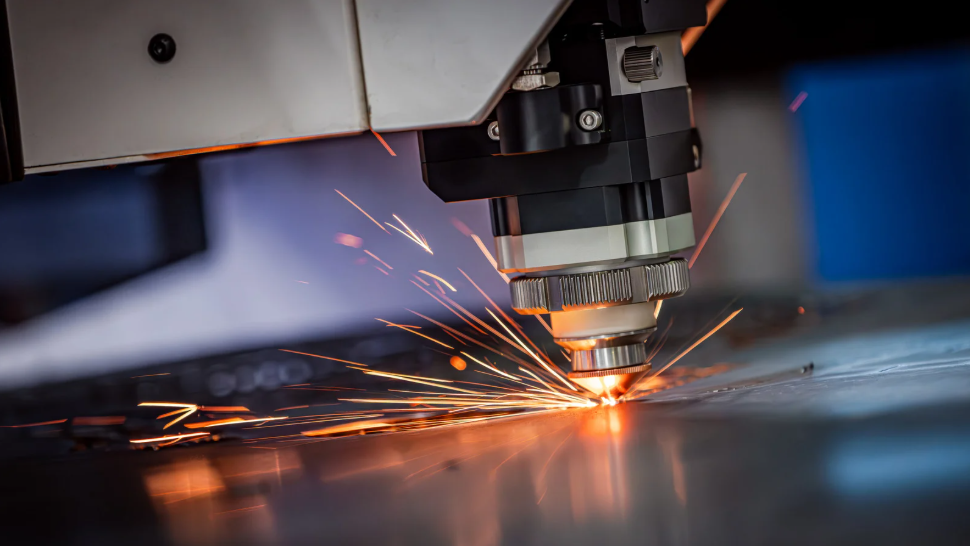
Laser cutting technology relies on a high-energy beam to vaporize or melt materials with extreme precision, but this thermal process inevitably creates a complex mixture of airborne contaminants. When the laser interacts with a substrate, it produces a combination of fine particulate matter and volatile organic compounds that can pose significant health risks if not managed properly. Implementing a high-performance laser cutter fume extractor is the only reliable way to capture these emissions at the source before they disperse into the breathing zone of the operator. Because different materials release unique chemical signatures, understanding the specific composition of these fumes is essential for maintaining a safe and compliant industrial environment. Professional filtration solutions are engineered to handle these various challenges, ensuring that the air remains clean and the equipment stays protected from corrosive residues.
Particulate Matter and Chemical Vapours from Synthetic Materials
Plastics and polymers represent some of the most challenging materials to process due to the toxic nature of the thermal decomposition products they release. When materials such as acrylic or polycarbonate are cut, the high heat triggers a chemical reaction that produces submicron particles and a variety of hazardous gases. These gases often include benzene, toluene, and formaldehyde, which are known respiratory irritants and can have long-term health implications. The fine dust produced during this process is often light and easily remains suspended in the air for extended periods, making high-efficiency filtration a mandatory requirement for any professional workshop.
For instance, cutting polyvinyl chloride releases hydrogen chloride gas, which turns into hydrochloric acid when it comes into contact with moisture in the air. This acidic vapor can quickly degrade mirrors, lenses, and motion control systems, leading to expensive repairs and shortened equipment lifespans. Utilizing specialized filtration media, such as activated carbon, is necessary to neutralize these acidic vapours and prevent them from recirculating into the workspace. A comprehensive guide to laser fume extraction provides deeper insights into how multi-stage filters work together to address both the physical dust and the invisible chemical threats found in these environments.
Metallic Dust and Organic Smoke Composition
Processing metals with a laser involves a different set of risks, primarily centered around the creation of metallic oxides and incredibly fine dust. As the metal vaporizes and then quickly cools in the surrounding air, it forms spherical particles that are often smaller than one micron in size. These particles are small enough to be inhaled deep into the lungs, where they can enter the bloodstream. Heavy metals such as chrome, nickel, and cobalt are particularly dangerous, as their fumes are classified as carcinogenic.
While these materials might seem less “chemical” in nature, their fumes still contain harmful substances like carbon monoxide and various resins that can cause allergic reactions or asthma. Wood smoke in particular contains high levels of fine ash that can quickly clog standard filters if the system is not designed with a high-capacity pre-filter. Professional-grade extractors are built to handle this heavy particulate load, maintaining consistent suction even during high-volume production runs. This ensures that the workspace remains free of the lingering odors and hazy smoke that often accompany the processing of organic substrates.
Conclusion
The complexity of fumes generated during laser cutting operations necessitates a sophisticated and professional approach to air filtration. From the corrosive gases of plastics to the carcinogenic dust of metals and the heavy soot of organic materials, each substance requires a specific management strategy. By investing in high-quality extraction technology, businesses can protect the health of their operators and the precision of their expensive machinery. The ability to capture and neutralize diverse airborne threats is the cornerstone of a safe industrial workspace. While the initial setup requires careful consideration of the materials being used, the long-term benefits of a clean environment and equipment longevity are undeniable. Consistent professional oversight and the use of standardized filtration equipment remain the best ways to ensure safety and efficiency in any laser processing facility. Professional excellence in air quality management continues to be the reliable standard for achieving true peace of mind and operational success.