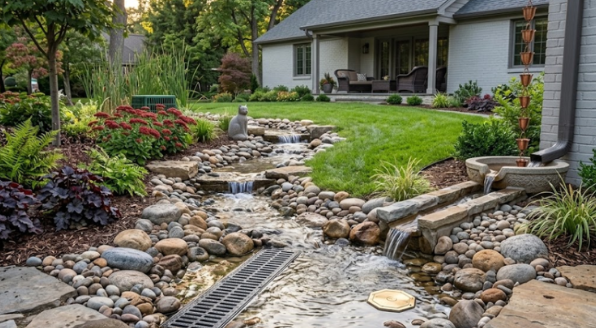
Installing a pool or outdoor structure is a major investment that requires careful planning beyond design and materials. One of the most critical yet often overlooked factors is how water moves across the property. Poor drainage can lead to structural damage, soil erosion, and costly repairs over time. In regions where rainfall and soil conditions vary, solutions like landscape drainage in Roswell become essential for maintaining long-term stability. Understanding drainage considerations before construction helps ensure that your outdoor addition remains safe, functional, and durable for years.
Evaluating Site Slope and Water Flow Patterns
Before any construction begins, it is essential to assess the land’s natural slope and how water flows during rainfall. Improper grading can cause water to collect around the pool or structure, leading to foundation instability and soil displacement. Professional evaluations identify areas where water tends to accumulate and determine how to redirect it effectively. By understanding these patterns early, specialists can design drainage solutions that prevent future complications. This step ensures that the foundation remains secure and that water is consistently directed away from critical areas.
Importance of Soil Type and Stability
Soil composition plays a significant role in how water is absorbed and retained around outdoor structures. Certain soil types retain water longer, increasing the risk of shifting or settling beneath heavy installations such as pools. Professionals analyze soil conditions to determine the appropriate drainage methods needed to maintain stability. To navigate the water through drainage, careful consideration between French and trench drains allows for selecting systems that best suit the specific soil characteristics. This approach ensures that the ground remains firm and capable of supporting long-term structural weight without complications.
Preventing Water Accumulation Around Structures
Water pooling around a pool or outdoor feature can lead to serious issues, including cracks, uneven surfaces, and weakened foundations. Effective drainage systems are designed to channel excess water away from these areas, reducing pressure on structural components. Without proper management, repeated exposure to moisture can cause gradual deterioration that is difficult to reverse. Professional drainage planning ensures that water is consistently diverted, protecting both the structure and the surrounding landscape from damage.
Protecting the Surrounding Landscape and Hardscapes
Outdoor installations often include patios, walkways, and landscaped areas that enhance the overall environment. Poor drainage can damage these features by causing soil erosion and surface wear. Water runoff can wash away soil, destabilize plants, and create uneven surfaces. Professionals design integrated drainage systems that preserve both the structure and its surroundings. By maintaining proper water flow, they ensure that every element of the outdoor space remains intact and visually appealing over time.
Long-Term Maintenance and Durability Considerations
Drainage planning is not only about immediate protection but also about ensuring long-term durability. Systems must be designed to handle varying weather conditions and consistent water flow without failure. Professionals consider future maintenance needs when implementing drainage solutions, ensuring accessibility and reliability. This forward-thinking approach reduces the likelihood of unexpected repairs and extends the lifespan of the entire installation. Proper drainage ultimately supports both functionality and longevity in outdoor construction projects.
Conclusion
Proper drainage is a foundational element in the success of any pool or outdoor structure installation. From evaluating land conditions to selecting the right systems, every step plays a role in protecting the investment from water-related damage. Professional expertise ensures that drainage solutions are tailored to the specific characteristics of the property, providing lasting stability and performance. By addressing these considerations before construction begins, property owners can enjoy durable and well-maintained outdoor spaces for years to come.