Key Takeaways
- Save water and fix leaks quickly to avoid overwhelming your septic system.
- Never flush or drain harmful or non-biodegradable items.
- Plan for professional septic inspections and scheduled pump-outs.
- Keep your drain field clear of heavy loads and plant roots.
- Choose septic-safe cleaning and laundry products whenever possible.
Introduction
Proper septic system maintenance is essential for safeguarding your home’s wastewater system and minimizing environmental impacts. If you neglect this crucial system, expensive repairs and ecological contamination can follow. Fortunately, with a few simple routines, you can protect your property and wallet. For local solutions, consider contacting septic repair Owasso for professional assistance. Understanding the proper steps can set your entire system up for long-term success.
Regular care ensures your septic system works efficiently and lasts for years. Following common-sense practices and making informed choices about water usage, household products, and scheduled maintenance can prevent most issues before they begin. Small changes, like knowing what to flush or fixing leaks, protect your system’s health and the surrounding environment.
Conserve Water to Prevent Overloading
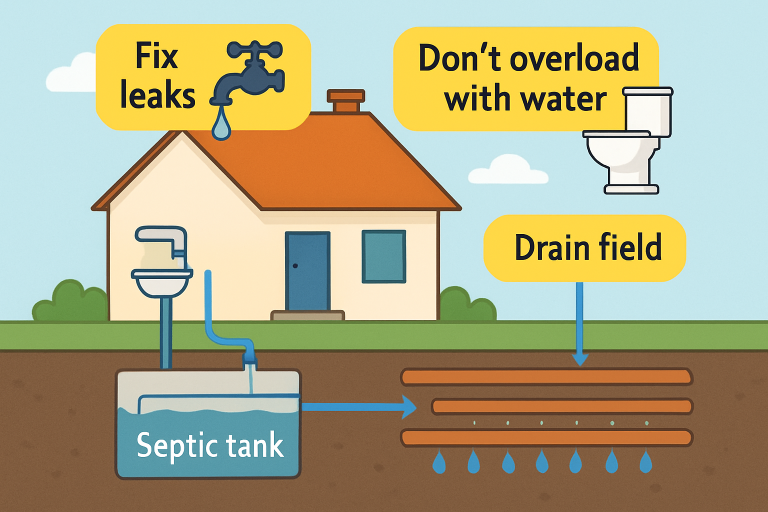
Overusing water is one of the fastest ways to wear out a septic system. Excess water entering the tank can force solid waste into the drain field, causing clogging and failure. Here’s how to avoid it:
- Fix Leaks Promptly: Don’t ignore drips. According to the EPA, one leaky toilet wastes up to 200 gallons daily—enough to disrupt the delicate balance in your system. Prompt repairs save water and prevent strain. Learn more about efficient water use in homes.
- Upgrade Fixtures: Swap out old toilets, faucets, and showerheads for high-efficiency models. Modern fixtures use significantly less water per use, putting less stress on your septic tank.
- Stagger Water-Heavy Tasks: Space out laundry and dishwashing sessions through the week rather than doing them all at once. This gives your septic system time to recover and operate at its best.
Mind What You Flush and Pour
Your septic system depends on beneficial bacteria to break down waste. Sending harmful materials down your drains can disrupt this critical process, damaging your system and contributing to pollution:
- Be Selective About Flushing. Only human waste and toilet paper should be flushed. Wipes (even “flushable” ones), feminine products, paper towels, and floss can’t tangle in pipes and create stubborn clogs.
- Keep Grease Out of Your Drains: Fats and oils don’t break down easily and can solidify in pipes, leading to blockages and backups. Always collect grease in a jar or can and put it in the trash.
- Avoid Chemicals: Limit bleach, disinfectants, and antibacterial soaps. Harsh chemicals can destroy the population of beneficial microbes your tank needs. Opt for cleanup solutions like vinegar and baking soda when possible. For a great guide on natural alternatives, visit this Bob Vila resource.
Schedule Regular Inspections and Pump-Outs
Routine check-ups are your best defense against unexpected septic issues. Every septic tank needs professional attention to catch problems early and clear out solid waste:
- Inspections: Hire a qualified professional to inspect the tank, baffles, and drain field every three years. Catching minor problems early can prevent costly repairs later.
- Pumping: Depending on the size of your household, your tank should be pumped every three to five years. This clears out solids and helps maintain system health and efficiency. For more information on regular maintenance, check Bob Vila’s guidance.
Protect Your Drain Field
The drain field is an often-overlooked but crucial part of your septic system. Its health determines how well your system gets rid of effluent water:
- Keep Heavy Loads Away: Never park cars, RVs, or heavy equipment on or near your drain field, as this can compact the soil and damage underground lines.
- Plant Carefully: Trees and shrubs can send roots deep into the ground, sometimes infiltrating and clogging the drain field pipes. Keep landscaping at least 25 feet away, and choose grass or small plants for ground cover.
- Redirect Water Runoff: Slope gutters and downspouts away from the drain field to prevent flooding and slow system drainage. Standing water can quickly overwhelm your system.
Use Septic-Safe Products
Standard cleaning and laundry products often contain chemicals that harm the bacteria in your septic tank. Protect beneficial bacteria and reduce risk:
- Pick Septic-Safe Detergents: Choose products marked as biodegradable and low in phosphates. Liquid detergents are less likely to create clogs than powders.
- Avoid Antibacterial Soaps and Wipes: These products can diminish the microflora in your tank, which is necessary for breaking down waste.
- Read Labels: Look for “septic-safe” on product packaging and minimize usage where possible to help maintain balance in your system.
By sticking to these simple guidelines, you’ll keep your septic system running smoothly for years, protect your property investment, and support a cleaner environment for your community.