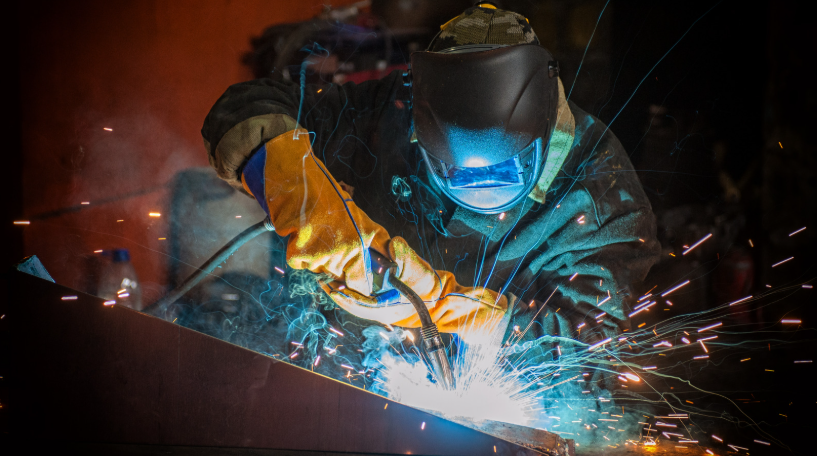
Welding processes generate fumes that contain fine particles and gases, which can affect air quality in industrial environments. Managing these emissions effectively requires systems designed to capture and filter contaminants before they spread. A smoke extractor for welding is essential in maintaining a clean and controlled workspace by removing harmful particles at the source. Understanding how these systems work helps manufacturers ensure better performance, improved safety, and consistent operational efficiency in demanding conditions.
Source Capture and Initial Intake
The first stage in the working mechanism involves capturing fumes directly at the point where they are generated. Extraction arms or hoods are positioned close to the welding area to draw in smoke before it disperses into the surrounding environment. This step is critical because once fumes spread, they become harder to control. The system uses controlled airflow to pull contaminants into the intake, ensuring that particles are directed toward the filtration unit. Effective source capture significantly improves overall system performance and reduces exposure risks for workers.
Airflow Generation and Movement
Once fumes are captured, the system relies on powerful fans to generate airflow that moves contaminated air through the extraction unit. This airflow must be strong enough to transport particles without allowing them to settle within the ducts. Balanced airflow ensures that the system operates efficiently and maintains consistent performance across different welding conditions. Proper airflow design also prevents blockages and reduces strain on system components. By maintaining a steady movement of air, the extractor ensures that contaminants are continuously removed from the workspace.
Filtration Process and Particle Removal
The filtration stage is where contaminants are separated from the air. Most systems use multi-stage filtration to handle particles of varying sizes. Larger particles are captured in the initial stage, while finer particles are removed in advanced filtration layers. High-efficiency filters are often used to trap microscopic contaminants that are not visible to the naked eye. This process ensures that the air released back into the environment is significantly cleaner. Effective filtration is essential for maintaining safe air quality and meeting industrial standards.
Role of Filter Maintenance in Performance
The efficiency of a welding smoke extractor depends heavily on the condition of its filters. Over time, filters can become clogged with particles, reducing airflow and filtration effectiveness. This underscores the importance of understanding how often to replace filters in a welding fume extractor, as timely replacement ensures consistent performance. Regular maintenance prevents system inefficiencies and helps maintain optimal air quality. Clean filters allow the system to operate at its full capacity, ensuring that fumes are effectively captured and removed.
Exhaust and Clean Air Release
After filtration, the cleaned air is either recirculated back into the workspace or safely exhausted outside. This final stage completes the extraction process by ensuring that harmful particles are not reintroduced into the environment. Systems designed for recirculation must meet strict standards to ensure that air quality remains safe. Proper exhaust design also helps maintain balanced airflow within the facility. By effectively releasing clean air, the system supports a healthier and more controlled working environment.
Integration with Industrial Operations
Modern welding smoke extractors are designed to integrate seamlessly into industrial workflows. They can be adapted to suit different facility layouts and production requirements. This flexibility allows manufacturers to maintain efficient operations without disruptions. Integrated systems ensure that extraction is consistent across multiple workstations, improving overall air management. By aligning with operational needs, these systems contribute to both productivity and safety in industrial settings.
Conclusion
Understanding the working mechanism of a welding smoke extractor highlights the importance of each stage in maintaining effective air quality control. From source capture and airflow management to filtration and maintenance, every component plays a role in ensuring system efficiency. By focusing on proper design and upkeep, manufacturers can create safer environments and support long-term operational performance.