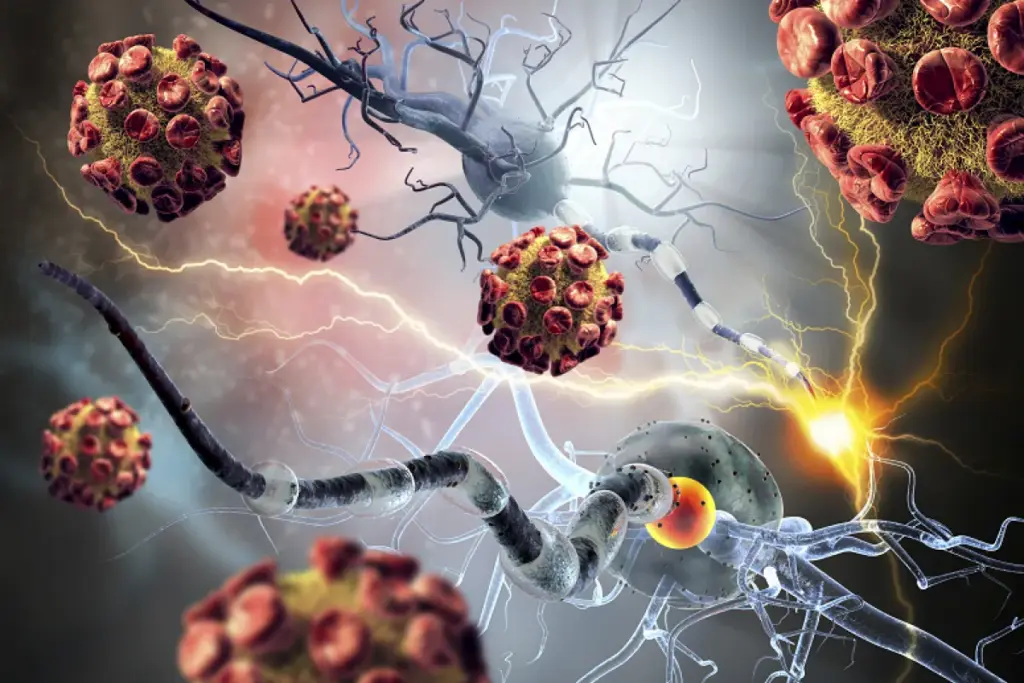
Stem cell graft disease is a serious condition that can occur after stem cell transplantation when the donor cells react against the recipient’s body. Understanding the conditions and indications for this disease is essential for early detection, timely intervention, and effective management. Specialized centers like Liv Hospital provide advanced care and structured treatment protocols to help patients manage this complex condition.
What Are Stem Cell Graft Disease Conditions?
Stem cell graft disease occurs when the immune cells from the donor stem cells attack the recipient’s tissues. The severity can range from mild to life-threatening, depending on the extent of immune reaction and the organs involved. Common conditions include:
- Acute graft-versus-host disease (GVHD): Rapid onset after transplantation affecting skin, liver, and gastrointestinal tract
- Chronic graft-versus-host disease: Develops months after transplantation and can affect multiple organs including eyes, lungs, and liver
- Mixed or overlap syndromes: Features of both acute and chronic forms
Early recognition of these conditions is critical to prevent complications and support successful recovery.
Indications for Monitoring and Intervention
Certain factors indicate a higher risk of graft disease and the need for close monitoring:
- HLA mismatch between donor and recipient
- High-intensity conditioning regimens prior to transplantation
- Older age or weakened immune system of the recipient
- Previous transplantation history or multiple transfusions
Patients showing early symptoms, such as skin rashes, jaundice, gastrointestinal upset, or unexplained fatigue, should be evaluated immediately. Detailed understanding of Stem Cell Graft Disease Conditions and Indications helps doctors determine which interventions are necessary.
Diagnosis and Care
Diagnosis involves clinical assessment, laboratory tests, and sometimes tissue biopsies to confirm the extent of immune response. Hospitals like Liv Hospital follow structured protocols to detect early signs of graft disease and manage complications effectively.
Treatment may include immune-suppressing medications, supportive care, and specialized follow-up programs to monitor organ function and overall health. Early and appropriate intervention improves patient outcomes and reduces long-term complications.
Supporting Patient Recovery
Alongside medical treatment, recovery from stem cell graft disease requires careful lifestyle management. Nutrition, stress control, and immune system support play a key role in enhancing recovery and maintaining overall health. For practical tips on wellness and balanced living during this period, resources like live and feel offer guidance for patients navigating post-transplant care.