Key Takeaways
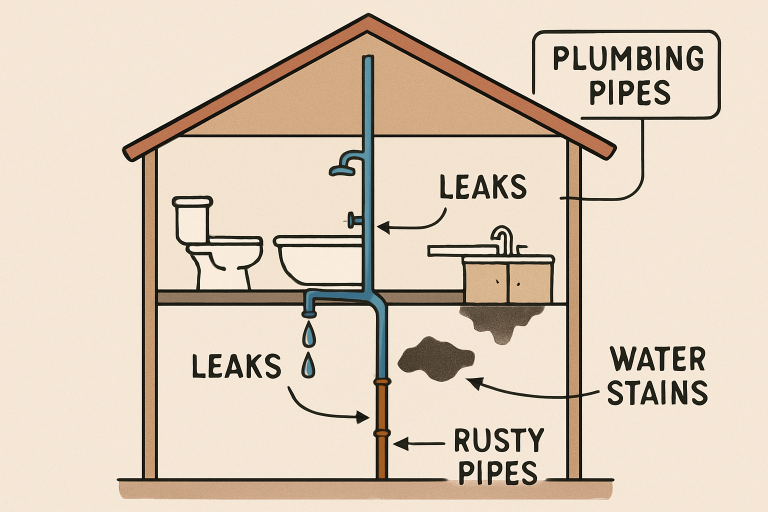
- Frequent leaks and water stains are early warning signs of failing plumbing systems.
- Low water pressure, discolored water, or unexplained water bill increases may indicate hidden problems.
- Persistent drain clogs and noisy pipes are not issues to ignore—they could signal a need for upgrades.
- Outdated plumbing materials impact durability, efficiency, and water safety.
Introduction
Maintaining a functional and reliable plumbing system is not just about avoiding inconvenience—it’s about protecting your property and safeguarding your family’s health. Over time, even the most durable systems can experience issues requiring substantial attention or a complete overhaul. Recognizing the warning signs early can make all the difference for homeowners unsure where to start. Partnering with trusted residential plumbing services ensures your home remains comfortable and efficient for years.
As the plumbing system ages, it can become less reliable and more prone to damage, sometimes resulting in significant repairs that could have been avoided. Understanding what to watch for is critical to preventing water damage, minimizing costly repairs, and maintaining healthy water quality throughout your home.
Recognizing and acting upon these warning signs not only prevents emergencies but also helps maintain the value and integrity of your home. Professional assessment is the best strategy to safeguard your investment when in doubt.
For a comprehensive understanding of common signs of plumbing issues and how to resolve them, the Family Handyman provides expert insights into what to look for in aging residential plumbing systems.
Frequent Leaks and Water Stains
Frequent leaks and unexplained water stains indicate a plumbing system under duress. While a small leak from a worn gasket or loose joint may seem isolated, recurring leaks suggest widespread deterioration or aging pipes. Water stains on ceilings or walls are a telltale sign that hidden leaks are causing structural damage behind the scenes—problems that can quickly escalate without timely intervention.
Low Water Pressure Throughout the Home
Your plumbing system may suffer from blockages, leaks, or advanced corrosion if you consistently experience reduced water pressure across multiple faucets, showers, or appliances. These issues stem from mineral deposits, rust buildup, or deteriorating pipe materials. Upgrading your plumbing can restore water flow and efficiency, improving your comfort and the performance of your fixtures.
Discolored or Foul-Smelling Water
Water that appears yellow, brown, or rusty—or that emits an unpleasant odor—can be a sign of significant pipe corrosion or contamination. As pipes age, corrosion releases minerals and metals into the water supply, potentially impacting taste, appearance, and health. Addressing these conditions with a plumbing upgrade can help ensure your water remains clean and safe for everyday use. For more details on water quality issues and solutions, visit the EPA’s resource on drinking water.
Persistent Drain Clogs
While occasional blockages are typical, frequent or unexplained clogs can signal a more serious problem—particularly if they occur in multiple locations at once. Over time, hair, grease, soap, and minerals build up in pipes, creating stubborn blockages. Mainline clogs or deteriorating pipes can also contribute to persistent drainage problems, often indicating the need for a system-wide evaluation or upgrade to restore normal function.
Unexplained Increase in Water Bills
Have you noticed your water bill spiking without a change in usage? Hidden leaks, especially those behind walls or under floors, can waste hundreds of gallons each month, unexpectedly driving up costs. Detecting and repairing these leaks early on saves money, reduces water waste, and helps you avoid more severe structural damage caused by prolonged moisture exposure.
Noisy or Rattling Pipes
Noises such as banging, rattling, or whistling in your pipes can reveal underlying issues like water hammer, loose mounting straps, or worn-out valves. These problems place undue stress on your plumbing and, if left unresolved, may result in burst pipes or severe water damage. Upgrading to modern, quieter pipes and fittings improves efficiency and peace of mind.
Outdated Plumbing Materials and Fixtures
Homes built before the 1990s often feature outdated piping materials such as galvanized steel or polybutylene, which are both susceptible to corrosion, leaks, and, ultimately, failure. Modern materials like copper or PEX are more resilient, safer, and longer-lasting. If your home still utilizes these older materials, consider an upgrade to ensure your property’s long-term health and value.
Visible Signs of Wear and Tear
Inspect exposed pipes for rust spots, corrosion, flaking, or visible damage. These issues don’t just impact the affected section—they can often indicate broader systemic problems. If you notice signs of wear and tear, a plumbing professional can evaluate the extent of the damage and recommend appropriate upgrades or replacements.
Conclusion
Addressing plumbing issues proactively can help homeowners avoid costly emergencies and extend the lifespan of their systems. Whether dealing with chronic leaks, poor water quality, or aging infrastructure, consulting with licensed professionals is the safest way to ensure your plumbing meets modern standards. Awareness, routine inspections, and timely upgrades are key to maintaining a secure, comfortable, and efficient home.