
Key Takeaways
- Adoption of biodegradable and compostable packaging materials is on the rise.
- Minimalist packaging designs are gaining popularity as a way to reduce waste.
- Reusable packaging systems are being implemented to reduce the use of single-use materials.
- The integration of innovative packaging technologies enhances sustainability and fosters consumer engagement.
- Regulatory frameworks are evolving to support sustainable packaging initiatives.
As businesses and consumers grow increasingly concerned about their environmental impact, the shipping industry is at the forefront of change. Eco-friendly packaging, more innovative logistics, and regulatory mandates are shaping new standards for sustainability. Innovators like NXT Level Packaging are leading the charge, empowering companies to minimize waste and reduce their carbon footprint through advanced packaging solutions. Today, the drive toward greener shipping is stronger than ever, propelled by technological advances and a collective push toward environmental stewardship.
This year’s trends highlight a concerted effort to re-imagine how products are protected, transported, and delivered. From compostable alternatives to intelligent packaging designs, the focus is not only on functional performance but also on the life cycle of packaging materials. More than a passing trend, sustainable shipping is now a foundational aspect of responsible commerce, meeting heightened consumer expectations and anticipating tighter regulations across major markets.
Biodegradable and Compostable Packaging Materials
Consumer demand for eco-friendly alternatives is driving rapid innovation in the development of biodegradable and compostable shipping supplies. Manufacturers are making significant investments in materials such as polylactic acid (PLA), cornstarch-based polymers, and packaging made from mushroom mycelium. These materials are engineered to break down safely, leaving behind no toxic residues, and are fast becoming industry standards for eco-responsible shipping. Thanks to improvements in strength and resilience, these green materials can now match the performance of traditional plastics, making them viable for a wide range of goods – from electronics to fresh produce. Companies aligning with this trend not only contribute to waste reduction but also foster a brand image centered around accountability and progressiveness.
Major corporations are piloting and scaling programs that focus exclusively on compostable mailers, void fills, and flexible pouches, particularly as consumer interest in sustainable packaging continues to accelerate. Regulatory forecasts indicate that these innovations will soon become essential for shipping compliance, particularly with the introduction of new global eco-labeling and end-of-life requirements. Articles from The New York Times highlight how major urban areas are developing infrastructure to support the disposal of compostable products, paving the way for the large-scale adoption of these products.
Minimalist Packaging Designs
Embracing the “less is more” philosophy, companies are moving toward minimalist packaging, which centers on streamlined shapes, reduced materials, and clear communication. This trend reflects both a shift in consumer sensibilities and a practical response to supply chain pressures and cost savings. Smaller, efficiently designed packages conserve space in transit and reduce fuel consumption, resulting in less pollution per product shipped.
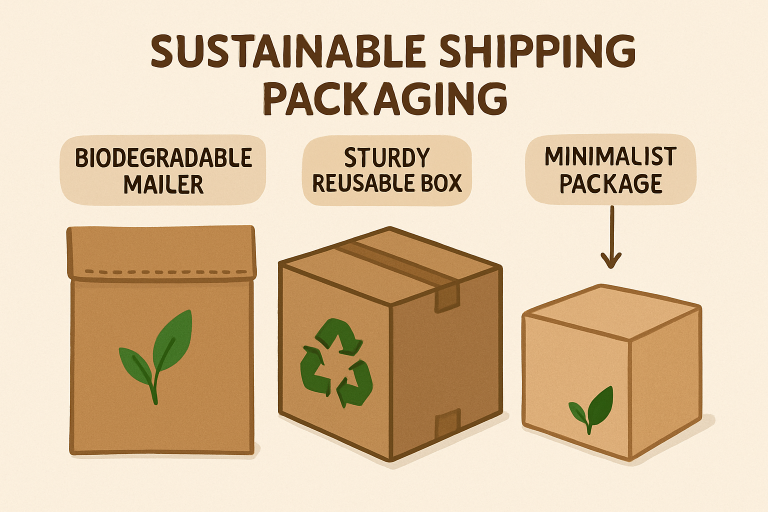
Minimalist designs also eliminate secondary components, such as unnecessary liners, oversized boxes, or excess fillers, thereby slashing packaging waste without compromising product safety. For e-commerce retailers and brands, this not only enhances sustainability credentials but also cuts delivery costs. Reports from Forbes indicate that simplified packaging can significantly increase consumer satisfaction and drive repeat business due to its low-impact, fuss-free experience.
Reusable Packaging Systems
The push to eliminate single-use packaging is gaining momentum through the development of innovative reusable systems. Industries, from groceries to electronics, are adopting packaging designed for repeated use cycles. Subscription services, for example, are leveraging durable containers and offering customers hassle-free return programs, keeping packaging in circulation for much longer than conventional shipping materials.
This approach is especially prevalent in business-to-business shipping, where standardized, reusable crates and pallets are returned after each use, significantly reducing landfill waste. Consumers are becoming increasingly receptive to programs that enable them to return their shipping containers for cleaning and redistribution, thereby facilitating a more circular packaging economy. Such systems also unlock new loyalty incentives: when customers have a stake in managing returns, they often feel a greater connection to the brands they support.
Smart Packaging Technologies
The integration of technology into shipping packaging is no longer a futuristic concept — it’s happening now. Innovative packaging features, such as QR codes, RFID tags, and embedded sensors on boxes and parcels, are designed to enhance transparency and traceability. These components serve a dual purpose: they ensure product freshness or detect tampering, and provide end-users with guidance on recycling or reuse via their smartphones.
Brands are utilizing these technologies to engage customers with interactive experiences, from providing origin stories to gamifying recycling participation. Moreover, logistical data gathered from these smart packages feeds back into supply chain optimization, reducing resource waste and improving efficiency. This packaging trend suggests a future where packaging itself becomes a source of valuable insights and connections.
Regulatory Frameworks Supporting Sustainability
The regulatory environment for sustainable packaging is evolving rapidly, with regional and international mandates driving widespread adoption of recyclable and compostable materials. For instance, the European Union’s Packaging and Packaging Waste Regulation (PPWR) requires that all commercial packaging be reusable or easily recyclable, and the United States is seeing new proposed legislation at both the federal and state levels.
Such frameworks encourage or even mandate businesses to minimize packaging waste and enhance the recyclability or compostability of their shipping supplies. Compliance is not just about ticking boxes; it is an opportunity for organizations to stand out as sustainability leaders. Ongoing updates and future-proofing strategies are crucial for staying ahead of these evolving standards and ensuring seamless global operations. The U.S. Environmental Protection Agency website offers guidance on meeting regulatory requirements and integrating sustainable packaging into broader business strategies.
Conclusion
As we move deeper, the movement toward sustainable shipping supplies is far more than a passing trend. Companies investing in biodegradable materials, minimalist and reusable designs, innovative packaging, and regulatory alignment are setting themselves up for long-term success. This holistic embrace of sustainability not only reduces ecological harm but also appeals to the growing segment of conscious consumers who expect brands to lead the way in climate responsibility. By adopting these innovations, businesses enhance both their bottom line and the world we all share.