Key Takeaways
- Water damage can come from plumbing leaks, appliance failures, roof issues, or natural disasters, each posing different levels of risk.
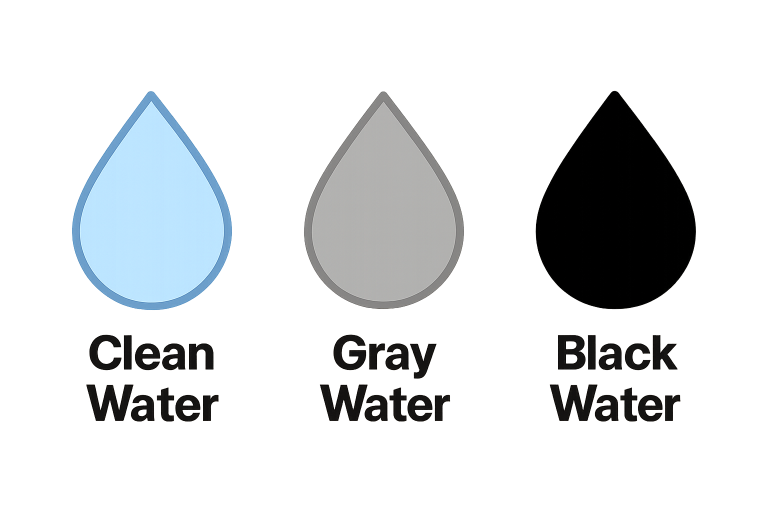
- Water is classified into three categories: clean (Category 1), gray (Category 2), and black (Category 3), with increasing levels of contamination and associated health hazards.
- Untreated water damage can cause structural deterioration, mold growth, and electrical hazards.
- Preventive measures include routine plumbing and appliance inspections, gutter maintenance, and sealing openings to reduce water intrusion.
- Prompt detection, immediate action, and professional restoration are essential to minimize damage and protect property and occupant health.
Introduction
Water damage is a common challenge for property owners, leading to costly repairs, structural issues, and serious health risks when left unchecked. Understanding the various types of water damage, along with their associated hazards, can significantly improve how effectively you respond to and prevent issues. For those in Denver or similar climates, professional solutions like Pure Restore water damage restoration in Denver can help mitigate problems before they escalate.
Whether caused by severe storms, plumbing mishaps, or faulty appliances, water intrusion can impact any structure. Routine awareness and prompt action are essential for minimizing both immediate and long-term effects. Home and property managers should be familiar with the most common risks and preventive strategies to ensure the safety and preservation of their investments.
When water goes undetected, even clear water from a leaking pipe can degrade rapidly, creating an environment conducive to mold and bacterial growth. The longer moisture remains, the greater the threat it poses to the property’s integrity and the health of its occupants.
It is important to note that every water damage situation is unique. Immediate identification and categorization are the first steps to managing the problem effectively, followed by employing the right cleanup and restoration processes.
Categories of Water Damage
Water damage is classified into three categories, each presenting distinct levels of contamination and health risk:
Category 1: Clean Water
Clean water damage originates from sanitary sources, such as a broken water supply line or an overflowing sink. Initially, this type of water poses no substantial health risk to humans. However, if not handled promptly, even clean water can degrade into Category 2 or 3 contaminants within days, especially in warm environments.
Category 2: Gray Water
Gray water carries a higher level of contamination. It is commonly discharged from dishwashers, washing machines, or sump pumps. Such water may contain detergents, microorganisms, and chemicals that pose a risk for illness or discomfort if exposure occurs. Immediate cleanup is necessary to stop further contamination or escalation.
Category 3: Black Water
Black water is extremely hazardous. It is highly contaminated by sewage or floodwaters and often flows from rivers, streams, or toilets. Direct contact or improper cleanup can be dangerous, as black water contains pathogens and hazardous materials. Remediation should always be handled by professionals equipped with the right expertise and equipment.
Common Causes of Water Damage
- Plumbing Leaks: These can emerge from aging or faulty pipes in kitchens, bathrooms, basements, or behind walls. Small leaks can go unnoticed, eventually causing major issues.
- Appliance Malfunctions: Dishwashers, washing machines, and water heaters that fail can rapidly spill significant amounts of water, leading to localized or widespread damage.
- Roof Leaks: Damaged, missing, or poorly installed shingles and flashing allow rainwater to seep directly into the attic and walls, causing slow but steady deterioration that might go undetected for a long time.
- Natural Disasters: Events such as floods, hurricanes, or heavy rainstorms can overwhelm property defenses, rapidly inundating entire structures with contaminated water.
Risks Associated with Water Damage
Failing to address water damage in its early stages can create multiple hazards that worsen over time. Here are the primary risks:
Structural Damage
Sustained exposure to water weakens a building’s essential supports. Foundations may crack, wood framing can rot, and drywall may swell or crumble. Over time, the cost and complexity of repairs multiply. According to the Insurance Information Institute, water damage is among the most frequently filed insurance claims for property owners.
Health Hazards
Damp areas provide an ideal environment for mold and mildew growth. Mold spores can spread quickly and trigger respiratory issues, allergies, and in rare cases, severe infections. Children, the elderly, and those with compromised immune systems are at heightened risk when mold proliferates unchecked.
Electrical Hazards
Water intrusion presents a serious electrical hazard if it reaches outlets, wiring, or appliances. This can result in short circuits, malfunctions, or even electrical fires if the source is not quickly isolated and repaired.
Preventive Measures
- Inspect and regularly maintain all visible plumbing and connections. Monitor for drips, pooled water, or discoloration.
- Service appliances routinely and replace aging or worn hose connections to reduce the risk of failure and leakage.
- Clear gutters and downspouts of leaves and debris, ensuring water drains away from the home’s foundation instead of pooling nearby.
- Seal windows, doors, and basement openings thoroughly, especially before the onset of seasonal storms or heavy rainfall.
These habits, combined with swift action when a leak or flood is discovered, are key to protecting your home or business from extensive water damage.
Final Thoughts
Recognizing the categories and sources of water damage empowers property owners to act quickly and decisively. Regular inspections, preventive maintenance, and professional support, when necessary, can prevent minor issues from becoming complex, expensive disasters. By staying vigilant and proactive, you can protect both your property and the health of its occupants from the lasting effects of water damage.