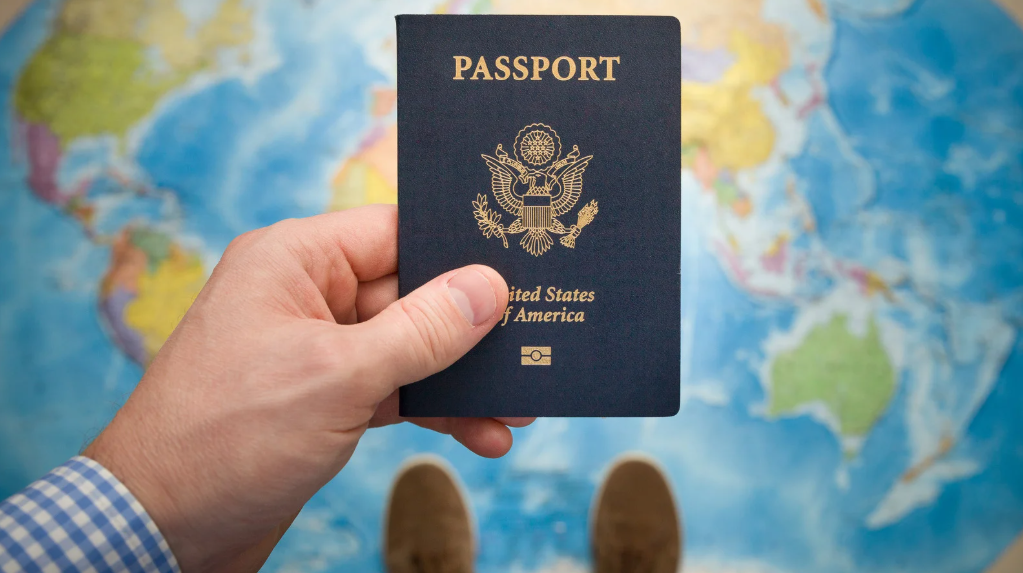
The integration of biometric technology has fundamentally changed how international travel documents are verified and issued across the globe. These advanced systems use unique physical characteristics like facial recognition and fingerprinting to ensure that every document remains tied to its rightful owner. For residents seeking a passport renewal in Atlanta, the inclusion of high-resolution biometric data is now a standard requirement for maintaining global security. Professional agencies play a critical role in capturing this data according to the exact technical standards mandated by federal authorities. By utilizing these specialized services, travelers can ensure that their updated credentials meet all modern security protocols. This technological shift provides a much higher level of protection against identity theft and document forgery in an increasingly digital world.
Enhancing Security Through Advanced Data Encryption
At the heart of every modern travel document is a small electronic chip that stores a digital version of the traveler’s photograph and personal details. This technology ensures that the physical book cannot be altered or used by anyone other than the person to whom it was issued. When professionals assist with the process, they ensure that the submitted imagery aligns with the essential rules for passport renewal so that the digital scanning systems can read the data without error.
The Importance of High-Resolution Biometric Capture
The accuracy of a biometric system depends heavily on the quality of the initial data collection during the application phase. Even a slight shadow on a photograph or a low-resolution scan can cause significant delays during the automated verification phase at an international port of entry. Professional agencies utilize industrial-grade equipment to capture these biometrics, ensuring they meet the specific contrast and lighting requirements of the federal government. This level of technical precision is necessary because the facial recognition algorithms used at borders compare the live person to the stored digital map on the chip.
Streamlining Border Clearance and Global Mobility
One of the most visible benefits of biometric technology is the speed at which travelers can move through customs and immigration checkpoints. Automated gates use scanners to verify the information on the chip against the biometrics of the person standing at the terminal. This allows for a more efficient flow of passengers and reduces the workload on customs officers, who can then focus on more complex security tasks. These systems are designed to operate seamlessly across different countries, ensuring that a document issued in one nation is recognized and verified in another. Maintaining this level of global connectivity requires a commitment to technical excellence and regular system updates to the infrastructure.
Conclusion
The implementation of biometric standards has created a more secure and efficient environment for international travel and document management. By prioritizing technical accuracy and professional oversight, residents can navigate the requirements of document procurement with confidence. These advanced systems provide a robust defense against fraud while facilitating smoother transitions across international borders. The combination of secure data storage and high-resolution imaging is essential for maintaining the integrity of modern identity documents. Ultimately, the success of the global travel infrastructure depends on the continued integration of these sophisticated technological tools. Reliable performance starts with a system that is free from gaps and mechanical obstructions in the data transmission process.