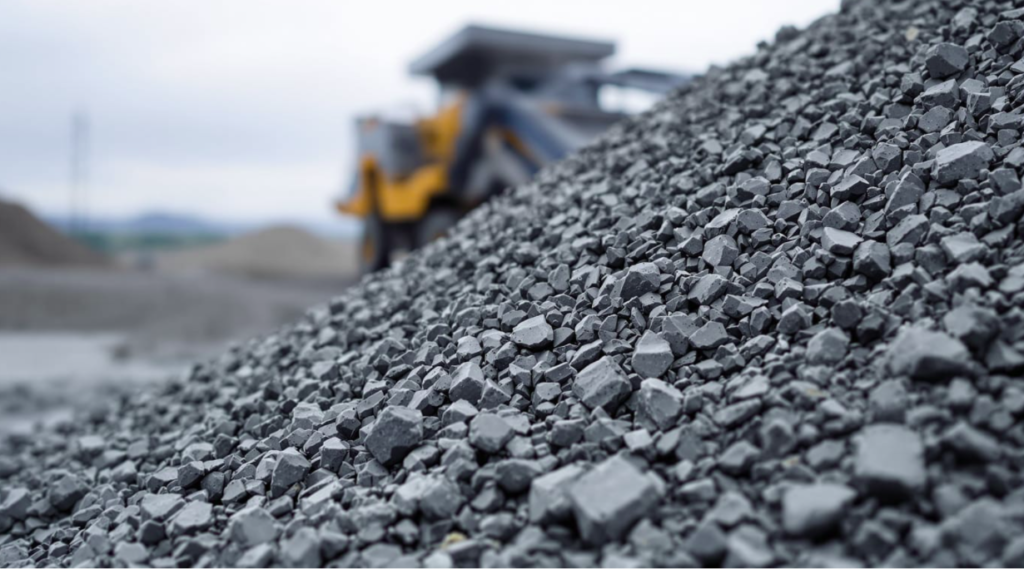
For contractors who handle demolition, site prep, roadwork, concrete removal, or material recycling, investing in the right crushing equipment can make a major difference in job site efficiency and profitability. A Rebel crusher can help contractors process concrete, asphalt, brick, block, rock, and other materials on site instead of hauling everything away and paying disposal fees.
Choosing the right machine is not just about buying heavy equipment. It is about selecting a solution that fits your workload, job site conditions, crew size, transportation needs, and long-term business goals. This portable concrete crusher buying guide is designed to help contractors understand what to consider before making a purchase.
Why Contractors Consider a Rebel Crusher
Many contractors look for ways to reduce costs while keeping more control over their projects. Hauling broken concrete or asphalt to a dump site can be expensive, especially when fuel, labor, trucking, and tipping fees are included. By crushing material on site, contractors can often reuse it as base material, backfill, driveway stone, or roadbed material.
This is one reason Rebel Crusher for contractors is a strong topic of interest. Contractors want equipment that can support smaller and mid-sized jobs without requiring a massive crew or oversized support equipment. A portable crushing machine can turn waste into a usable product, helping contractors reduce dependency on outside suppliers and disposal facilities.
What Type of Contractor Can Benefit?
A Rebel Crusher may be useful for several types of businesses, including demolition contractors, excavation companies, concrete contractors, paving contractors, site development crews, utility contractors, landscapers, and recycling businesses.
Contractors who regularly deal with concrete, asphalt, brick, block, or stone are often in the best position to benefit. If your business frequently pays to remove debris or buys aggregate for job sites, a crusher may help improve margins over time.
Before deciding to buy Rebel Crusher equipment, contractors should review how much material they process each month, how often they need recycled aggregate, and whether they have enough projects to justify ownership.
Key Factors to Consider Before Buying
The first factor to consider is material type. Not every job site produces the same material. Some contractors mainly handle concrete with rebar, while others work with asphalt, brick, block, or natural stone. Make sure the crusher you choose can handle the materials you expect to process most often.
The second factor is production needs. A contractor doing occasional small jobs may not need the same output as a company processing material every week. Buying too much machine can tie up capital, while buying too little can slow down production.
The third factor is mobility. A portable concrete crusher for contractors should be easy to move between job sites. Consider transport requirements, setup time, and whether your current trucks and trailers can support the equipment.
The fourth factor is ease of use. Contractors often need equipment that crews can learn quickly. A machine that is simple to operate and maintain can reduce downtime and training challenges.
New vs. Used Equipment
Contractors often compare new and used options when shopping for crushing equipment. A new machine may offer updated features, warranty coverage, and less wear. A used machine may lower the upfront investment, but it can also come with maintenance risks if it has not been properly inspected.
When considering used equipment, contractors should review service records, hours of operation, wear parts, hydraulic systems, engine condition, crusher jaw condition, belts, tracks, and overall frame condition. A lower purchase price is only valuable if the machine is reliable enough to perform on the job.
How to Think About ROI
The return on investment comes from several areas. Contractors may save money on hauling, disposal, aggregate purchases, and project delays. They may also create new revenue opportunities by offering crushing and recycling services to other contractors or property owners.
To estimate ROI, calculate how much you currently spend on debris removal and how much aggregate you buy each year. Then compare those costs with the purchase price, financing, fuel, maintenance, labor, and transportation costs of owning a crusher.
For many contractors, the best crusher for construction waste is the one that supports steady work, reduces outside expenses, and creates usable material from debris that would otherwise be discarded.
Questions to Ask Before You Buy
Before making a decision, ask yourself:
How much material do we need to crush each month?
What types of material do we process most often?
Will we use the crushed material ourselves or sell it?
Can our crew operate and maintain the machine?
Do we have the right truck or trailer to move it?
Will this machine help us win more profitable projects?
These questions can help contractors avoid buying based only on price. The right crusher should match the way your business actually works.
Final Thoughts
Buying crushing equipment is a serious investment, but it can also give contractors more control over costs, materials, and project timelines. For businesses that regularly handle concrete, asphalt, brick, block, or other recyclable materials, a Rebel Crusher can be a practical way to turn job site waste into usable aggregate.
This Rebel Crusher buying guide gives contractors a starting point for evaluating their needs, comparing options, and making a smarter purchasing decision. The right machine should help reduce waste, lower hauling costs, improve efficiency, and support long-term profitability.