Key Takeaways
- Sustainable wine tourism merges environmental care with memorable guest experiences.
- Digital and smart hospitality solutions support both convenience and preservation.
- Wellness and cultural immersion are major trends in modern vineyard tourism.
- Climate adaptation strategies are altering the face of viticulture worldwide.
- Digital tools are making wine tourism more accessible and eco-friendly.
Wine tourism is rapidly evolving in response to global sustainability concerns, prompting vineyards worldwide to develop new ways to welcome guests. Today’s wine lovers seek not only excellent vintages but also meaningful experiences that respect the environment and local cultures. Visiting a nationally recognized winery Greenwood, VA now often means immersing yourself in eco-friendly practices, digital innovations, and activities that foster a deeper connection to both the vineyard and the surrounding landscape.
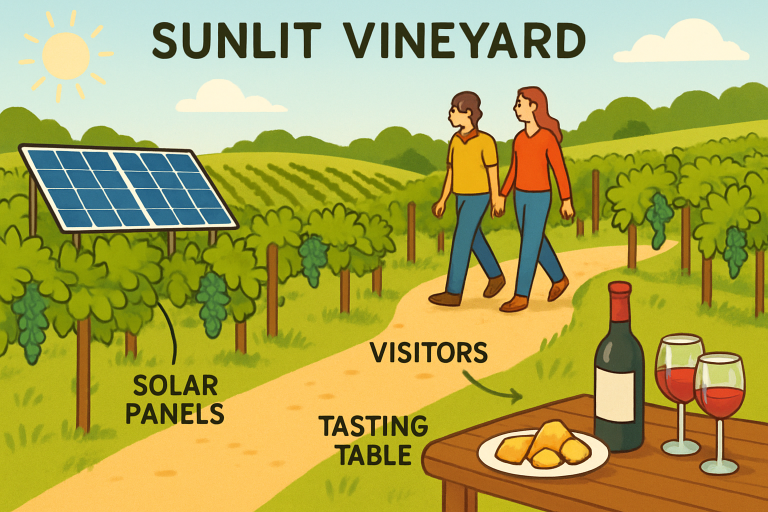
Many wineries are taking bold steps to reduce their footprint, from installing solar panels and rainwater systems to sustainable waste practices. As travelers become more eco-conscious, demand for greener tourism grows, especially in regions like Napa Valley, Bordeaux, and Tuscany, where sustainability aligns with wine quality. Tourists now care about the stories behind their glass as much as the taste, with tours emphasizing wine community heritage, supporting both producers and local culture. According to National Geographic, this shift toward authenticity is reshaping wine travel. As eco-tourism gains popularity, both travelers and wineries find benefits in holistic, wellness-focused experiences that promote relaxation and mindful appreciation of the land.
Embracing Smart Hospitality and Digital Tastings
Technology is redefining the wine tourism landscape. Interactive tasting tables and augmented-reality vineyard tours offer innovative ways to learn about viticulture, providing tailored insights without the need for paper brochures or printed maps. AI-powered virtual assistants guide guests through the winemaking journey, enriching visits with detailed information and interactive storytelling.
Virtual tastings and online classes are now commonplace, enabling wine lovers to connect remotely with vineyards and experts. This shift has proven especially valuable in reducing the carbon footprint for travelers who want to explore international wineries without jet-setting across continents.
Integrating Wellness into Wine Tourism
The marriage of wellness and wine tourism is taking hold worldwide. Many vineyards now offer yoga among the vines, guided forest walks, and mindfulness retreats, all designed to slow guests down and help them fully engage with their surroundings. Farm-to-table dining menus highlight fresh, local ingredients and often feature organic wine pairings, connecting travelers with the rhythms of the growing season.
These wellness-focused activities attract a new segment of wine tourists who value physical and mental well-being as much as the wines themselves. The result is a more holistic and sustainable tourism experience for both guests and hosts.
Prioritizing Cultural Authenticity
Memorable vineyard visits are tied to a sense of place. Sustainable wine tourism involves local artists, chefs, and storytellers sharing traditions through cooking workshops, music in historic cellars, or heritage art exhibits. These interactions enrich travel and support local economies. Supporting local communities is key to long-term sustainability, so vineyards should partner authentically with residents. These collaborations help preserve cultural heritage while giving visitors a deeper appreciation for the region’s traditions. By showcasing local talent and craftsmanship, vineyards can create immersive experiences that go beyond wine tasting alone. Ultimately, fostering strong community partnerships ensures that tourism remains both meaningful for visitors and beneficial for the people who call the region home.
Adapting to Climate Change
Climate change poses complex challenges for winemakers, including rising temperatures, unpredictable weather, and wildfire risks. Vineyards adopt new practices like drought-tolerant landscaping, fire-resistant buffers, and climate-adapted grape varieties. Visitors learn about these efforts through tours and talks, enhancing appreciation for modern winegrowing resilience.
Leveraging Digital Tools for Enhanced Engagement
Digital technology is making wine tourism more accessible and less resource-intensive. AI-generated itineraries recommend experiences based on your personal interests, helping you discover hidden gems while minimizing unnecessary travel. Interactive maps direct travelers along sustainable routes, while virtual wine masterclasses enrich your understanding of regional terroir from anywhere in the world.
By easing the planning process and reducing logistical barriers, these tools help travelers make environmentally conscious decisions when crafting their ideal wine adventure. As the industry continues to innovate, expect more options that put sustainability at the center of every journey.
Conclusion
Sustainable wine tourism is about thoughtful enjoyment that balances luxury, culture, and care for the land. The movement to greener travel experiences in the wine world benefits not only the environment but also visitors and local communities. With technology, wellness, and cultural authenticity leading the way, eco-friendly vineyard visits are setting a new gold standard for responsible tourism.