Table of Contents
- Embrace a Balanced Diet
- Practice Mindful Eating
- Incorporate Regular Exercise
- Prioritize Adequate Sleep
- Manage Stress Effectively
- Stay Hydrated
- Set Realistic Goals
- Build a Support System
Starting a weight loss journey can often feel overwhelming, especially with the abundance of advice and quick-fix solutions available online and from well-meaning friends. Sorting through the noise to find what truly works can be challenging, leaving many people feeling stuck or frustrated. By adopting gradual, sustainable lifestyle changes, you can build healthy habits that support lasting results and overall wellness, while avoiding the pitfalls of fad diets and unrealistic expectations. When considering professional guidance or additional support, Options Medical Weight Loss offers tailored options to help turn momentum into long-term success. Working with professionals may offer an added layer of accountability and personal support as you navigate the ups and downs of your journey.
Rather than chasing temporary outcomes, sustainable weight loss centers on lifestyle improvements that nurture your body and build resilience. These practical strategies go beyond simply shedding pounds and can improve your quality of life, strengthen your mind-body connection, and reduce long-term health risks such as diabetes, hypertension, and heart disease. Building a foundation of healthy habits not only promotes physical health but also boosts confidence, emotional well-being, and self-efficacy. By embracing these habits, you can build a foundation for physical and emotional well-being that lasts a lifetime, making your weight-loss journey both rewarding and sustainable for years to come.
Embrace a Balanced Diet
One of the most effective ways to maintain a healthy weight is by focusing on dietary patterns rather than individual foods. Substantial research supports the health benefits of diets like the Mediterranean diet, which prioritize vegetables, legumes, whole grains, fruits, nuts, and healthy oils such as olive oil, and limit processed foods, red meats, and added sugars. These kinds of diets have been shown to reduce the risk of chronic conditions, including heart disease and type 2 diabetes, and to support healthy weight management over time. Adding variety to your meals and making small, manageable changes, such as swapping refined grains for whole grains, helps promote nutritional balance and sustainable results. Planning your meals ahead and preparing food at home can give you greater control over ingredients and serving sizes, enhancing your confidence in making healthy choices.
Practice Mindful Eating
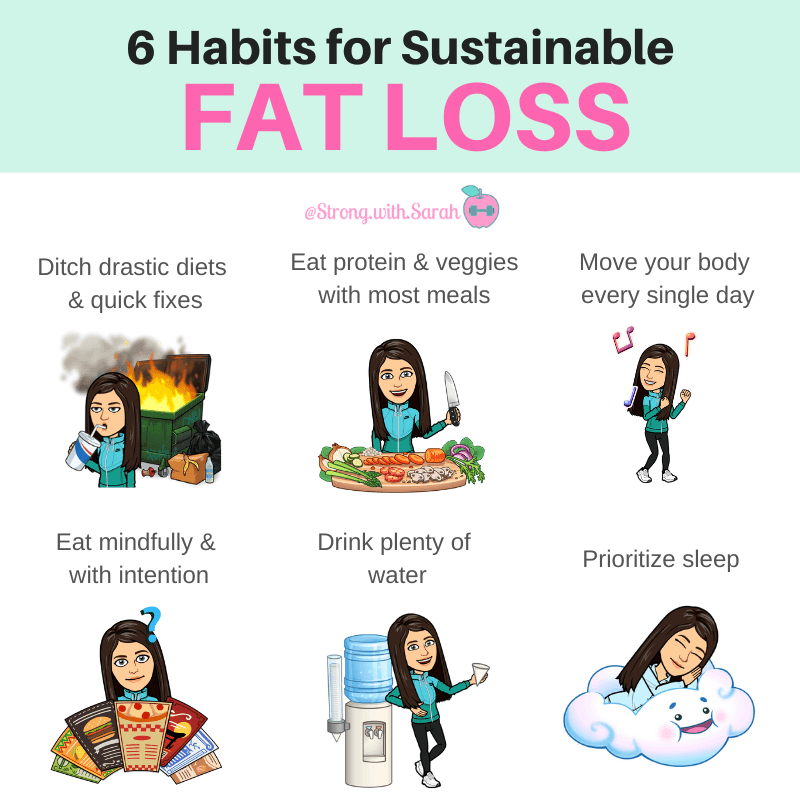
Mindful eating empowers you to develop a healthy relationship with food, which is vital for long-term weight management. By slowing down during meals, paying attention to flavors and textures, and listening to your body’s cues, you become more in tune with what your body truly needs, which can help prevent overeating and emotional eating episodes. Practicing gratitude before meals and savoring each bite are ways to add mindfulness. Techniques such as putting down your fork between bites or minimizing distractions (like screens) during meals are simple but powerful ways to become more conscious of your eating habits. Additionally, keeping a food diary or reflecting on your emotional state before eating can help reveal patterns that contribute to unhealthy habits.
Incorporate Regular Exercise
Physical activity is a crucial component of healthy weight management, supporting not only energy expenditure but also overall health and vitality. Aim for at least 150 minutes of moderate-intensity exercise each week, such as brisk walking, biking, or swimming. These activities not only burn calories and fat but also promote cardiovascular health, flexibility, and endurance. Incorporating strength training twice a week is especially beneficial, as increasing muscle mass can boost metabolism and help your body burn more energy even at rest. Exercise also helps manage stress and elevate mood, making it easier to stick with your healthy habits. Find activities you enjoy, whether it’s dancing, yoga, hiking, or team sports, to increase the likelihood of keeping up with your exercise routine over the long term, and don’t hesitate to try new forms of movement if your current routine feels stale.
Prioritize Adequate Sleep
Getting enough restorative sleep is often overlooked, but it plays a vital role in weight management and overall wellness. Insufficient sleep can disrupt appetite-regulating hormones, such as ghrelin and leptin, and lead to increased cravings, particularly for calorie-dense and sugary foods. Consistently missing sleep also impacts your energy levels, making it less likely that you’ll feel motivated to exercise or prepare healthy meals. Most adults need seven to nine hours of sleep each night for optimal functioning. Establishing a regular bedtime routine, limiting screen time before bed, and creating a dark, cool sleep environment support better rest and improved weight outcomes. Practicing good sleep hygiene can have cascading benefits for both your physical and mental health.
Manage Stress Effectively
Chronic stress can undermine your weight loss efforts by triggering stress-related eating and hormone imbalances. When stress hormones like cortisol remain elevated, they can increase appetite and promote fat storage, particularly around the abdomen. Developing stress management techniques, such as gentle yoga, deep breathing, meditation, or creative hobbies, can make a real difference. Taking time for self-care and relaxation is important for both mental and metabolic health, and may also make it easier to stick to your healthy eating and exercise goals. Recognize your personal stress triggers and develop a toolbox of strategies, whether it’s a quick walk, a few minutes of meditation, or simply reaching out to a friend, so you can respond positively in challenging moments.
Stay Hydrated
Proper hydration supports digestion, energy, and metabolism, and may even help prevent overeating by helping you recognize true hunger signals. Many people confuse thirst for hunger, leading to unnecessary snacking that can undermine weight-loss efforts. Drinking at least eight cups of water per day, or more if you are physically active or live in a hot climate, is a good rule of thumb. Incorporating foods with high water content, such as cucumbers, oranges, and soups, can also contribute to overall hydration. Carrying a reusable water bottle, setting reminders on your phone, or establishing set times during the day to drink water can help make this essential habit second nature.

Set Realistic Goals
Setting realistic, attainable goals keeps you focused and motivated, and helps prevent the discouragement that comes from striving for perfection. For most people, losing one to two pounds per week is a healthy and achievable target, allowing your body to adjust and your habits to solidify. Breaking larger goals into smaller milestones, such as preparing a home-cooked meal three times a week or gradually increasing your daily steps, makes the process less daunting and more actionable. Celebrate small milestones along the way, such as preparing a home-cooked meal or meeting a weekly exercise target, to reinforce positive behaviors rather than focusing solely on the scale. Over time, consistent progress, no matter how incremental, leads to meaningful, lasting results.
Build a Support System
With the support and encouragement of others, your journey becomes more enjoyable and less isolating. Whether you connect with friends, family, an accountability partner, or a supportive group sharing similar goals, having people who understand your aspirations and challenges makes sustained weight loss more achievable. Sharing successes and setbacks openly can foster motivation and perspective. Consider discussing your goals with a healthcare provider or registered dietitian for additional guidance and support, and explore local or online communities for extra inspiration and camaraderie. Building a robust support network can be the difference between temporary changes and lifelong transformation.
Incorporating these healthy habits into your everyday life is the key to sustainable weight loss. While setbacks may be a natural part of the journey, focusing on balanced nutrition, regular movement, mindful eating, restorative sleep, and strong social support will keep you progressing over time. By following these principles, you can achieve lasting changes that benefit your body and mind for years to come, cultivating a healthier, happier you in the process.