Key Takeaways
- Proper training and certification are essential for hydro excavation operators.
- Pre-excavation planning, including utility marking, reduces the risk of damaging underground infrastructure.
- Regular equipment maintenance and adherence to safety protocols enhance operational safety.
Table of Contents
- Operator Training and Certification
- Pre-Excavation Planning
- Equipment Inspection and Maintenance
- Personal Protective Equipment (PPE)
- Safe Operating Procedures
- Environmental Considerations
- Emergency Preparedness
- Conclusion
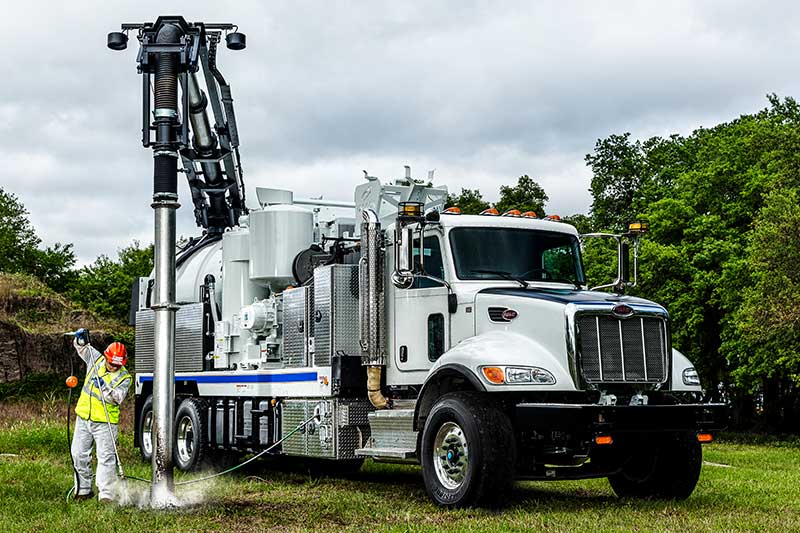
Hydro excavation combines high-pressure water and industrial-strength vacuums to remove soil cleanly and precisely from excavation sites. While this method offers significant advantages in safeguarding underground infrastructure, it is crucial to follow comprehensive safety procedures at every stage of the process. Using equipment such as a vac trailer can significantly boost efficiency, but only when operated by adequately trained personnel utilizing proper techniques and protocols.
Ensuring that all crew members understand the potential hazards and are equipped to mitigate them is the foundation of a safe hydro excavation operation. Close attention to planning and equipment, along with the use of personal protective equipment, further helps prevent accidents and protects both workers and the environment.
From pre-job planning to regular safety drills, every step in the hydro excavation process should be carefully prepared for and addressed with awareness. Understanding and respecting local regulations while following industry best practices helps minimize the likelihood of incidents that could damage underground utilities or compromise crew safety.
Maintaining open communication among team members and keeping up to date with the latest guidelines from authorities, such as OSHA, supports a proactive safety culture. This reduces risks and ensures projects are performed not just efficiently but with full consideration for the well-being of everyone on site and the integrity of the work area.
Operator Training and Certification
Hydro excavation equipment is powerful and can cause inadvertent damage if not used correctly. Only operators who have been properly trained and certified should handle this machinery. Comprehensive education should include hands-on operation, awareness of potential hazards, adherence to established procedures, and emergency protocols. Certification renewals and ongoing training are important as well, as they keep operators informed of industry updates and technological advancements. Organizations such as the American Public Works Association recommend periodic retraining to reinforce safety competencies and address job site hazards.
Pre-Excavation Planning
Before any digging begins, a thorough assessment of the job site is vital. This includes communication with local utility marking services. For example, in the United States, calling 811 ensures all existing subsurface utilities are marked, protecting both the excavation crew and the infrastructure beneath the ground. Familiarity with the site layout and a review of historical records help identify hidden hazards. OSHA recognizes hydro-vacuum excavation as a safe method for exposing underground utilities and recommends that equipment settings be adjusted appropriately to avoid damage.
Equipment Inspection and Maintenance
Performing regular checks and preventive maintenance on hydro excavation equipment helps minimize the risk of breakdowns and unexpected incidents. Operators should inspect the system before each use, paying close attention to hoses, fittings, tanks, vacuum systems, and pressure-related components. Maintenance activities, such as replacing worn or damaged parts, keep machinery in optimal working order and enhance operational safety. Resources such as industry best practices come from authoritative sources that can help operators shape effective maintenance routines.
Personal Protective Equipment (PPE)
All personnel on site should wear industry-standard PPE that is appropriate to the specific risks at the excavation site. At a minimum, required protective gear includes high-visibility vests, hard hats, safety goggles, heavy-duty gloves, and reinforced work boots. Depending on environmental factors and job complexity, additional gear such as hearing protection or respiratory masks may also be necessary. Supervisors should ensure that all equipment fits properly and is well-maintained, while also reinforcing PPE compliance through regular job-site reminders and inspections.
Safe Operating Procedures
Establishing consistent operating procedures helps crews maximize efficiency while reducing risk. Operators should use the minimum water pressure needed to effectively remove soil, avoiding any excessive force near marked utility lines. The entire crew should maintain a safe distance from the excavation area, especially when vacuum or water systems are active, and should ensure that no bystanders enter work zones. It is also essential to avoid aiming water jets directly at known utilities from a perpendicular angle as this can lead to accidental breakage.
Environmental Considerations
Hydro excavation is often preferred because it is less disruptive to the surrounding environment than traditional mechanical digging. Nevertheless, teams should be prepared to manage slurry, soil, and water runoff responsibly. Using sealed tanks and spill barriers keeps contaminants from affecting nearby waterways or soil. Crews should always adhere to both local and federal environmental regulations and employ containment practices that meet or exceed industry requirements. Information from authoritative agencies, such as the Environmental Protection Agency (EPA), provides further guidance on environmental safeguards.
Emergency Preparedness
Each member of the excavation team should be trained to handle unforeseen emergencies swiftly and safely. This encompasses response protocols for utility strikes, equipment failures, and exposure to hazardous materials. Emergency kits and first-aid supplies should be on site, while communication protocols must be clear and well understood by everyone. Routine drills provide valuable experience and help teams rehearse effective responses to different scenarios, thereby minimizing harm and ensuring compliance with regulatory standards.
Conclusion
Adhering to best safety practices in hydro excavation protects crew members, maintains the integrity of underground utilities, and minimizes environmental disruption. Safety is an ongoing commitment that begins with operator training, spans through meticulous pre-job assessments and equipment checks, and extends to daily operational habits. By routinely updating procedures, investing in reliable equipment, and cultivating a proactive attitude toward risk management, companies can confidently deliver results while prioritizing the health and safety of all involved.