Table of Contents
- Structural Integrity
- Roof and Exterior
- Plumbing System
- Electrical System
- Heating, Ventilation, and Air Conditioning (HVAC)
- Interior Spaces
- Appliances and Fixtures
- Safety Features
- Final Thoughts
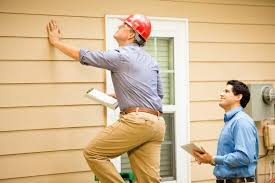
Purchasing a home marks a major milestone, and ensuring a thorough inspection is one of the most proactive steps buyers can take to protect their investment. Knowing exactly what inspectors look for—and what you can look out for yourself—empowers you to spot red flags, negotiate repairs, or walk away from properties with hidden issues before closing. If you’re beginning your home search, take time to explore current Rockville homes for sale while learning how to properly assess a property before making your decision.
A comprehensive home inspection acts as a safeguard against financial surprises after you move in. Experienced inspectors methodically check every major component of the home, assessing its functionality, safety, and structural integrity. Understanding these essential checkpoints helps buyers make confident and informed offers and prepares them for future maintenance responsibilities.
For first-time buyers especially, walking through a home can be overwhelming. Prioritizing an organized inspection checklist remains essential at this moment. Each stage—from roofing and structure to appliances and safety features—plays an important role in the value and safety of your investment.
Beyond identifying visible problems, inspections can reveal issues hidden behind walls and floors, potentially affecting everything from plumbing and wiring to ventilation and the structural integrity of the foundation. As you move through this process, keep in mind that the American Society of Home Inspectors provides supplemental guidance and resources to support buyers throughout the inspection journey.
Structural Integrity
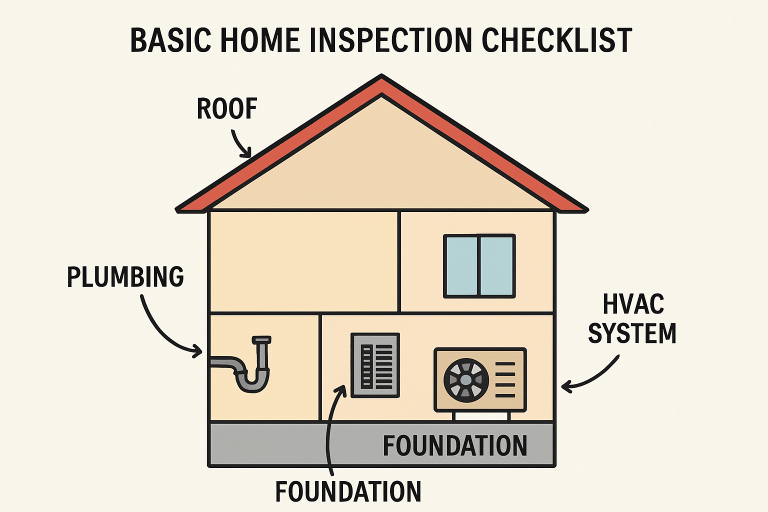
The home’s structure forms the backbone of its stability and longevity. During the inspection, start by looking for visible cracks along the foundation, exposed support beams, or any signs of uneven flooring. Sagging ceilings, bowing walls, or sloping floors may signal underlying structural issues that require costly repairs. Inspectors pay close attention to the framing, crawl spaces, and load-bearing walls, as these elements are crucial to the home’s long-term durability. According to Forbes Home, notable structural irregularities should be addressed immediately, either through repair requests or by reassessing your offer.
Roof and Exterior
The roof is a major barrier against weather and water damage, making its condition a top priority. Inspect for missing or curling shingles, rusted flashing, and evidence of previous leaks in the attic or ceiling below. Properly functioning gutters, downspouts, and drainage systems divert water away from the home’s foundation, preventing erosion or flooding. Inspectors will also check chimney conditions, siding, windows, and exterior paint, all of which help determine the home’s ability to withstand the elements.
Plumbing System
Water damage, leaks, and pipe corrosion can lead to major headaches if not detected early. During a home inspection, all accessible plumbing—faucets, toilets, showers, pipes beneath sinks, and the main water line—should be thoroughly tested for pressure, drainage, and leaks. Water heaters are examined for age, rust, and soot accumulation, while inspectors also assess that shutoff valves are operable and comply with local code requirements.
Electrical System
Modern safety standards require secure electrical systems to protect against shocks or fire hazards. Home inspectors will assess the main panel and circuit breakers, ensuring they are up to code and sized appropriately for household needs. Special attention is paid to the presence of GFCI outlets in areas exposed to water, such as bathrooms, kitchens, and garages, as well as proper grounding and the absence of outdated or exposed wiring.
Heating, Ventilation, and Air Conditioning (HVAC)
The efficiency and safety of a home’s heating and cooling systems directly impact comfort and future utility expenses. Inspect the age and maintenance records of furnaces and air conditioners, evaluate thermostatic controls, and ensure ductwork is properly sealed and insulated to prevent energy loss. Ventilation issues or malfunctioning units can pose health risks or result in expensive system replacements down the line.
Interior Spaces
Inside the home, pay close attention to signs of water intrusion such as stains, musty odors, or soft spots on floors and walls. Mold growth, warped baseboards, and cracked tiles can signal lingering moisture problems or structural movement. Inspectors will also test doors and windows for proper operation, weatherproofing, and general security.
Appliances and Fixtures
While cosmetic wear is common, all included appliances should be tested for function—particularly those built-in, such as dishwashers, ovens, and garbage disposals. Malfunctioning or outdated appliances can translate to unexpected replacement costs after move-in. Inspectors also check bathroom fixtures, ventilation fans, and laundry hookups for leaks, reliable operation, and modern safety features.
Safety Features
Every home should come equipped with working smoke detectors, carbon monoxide alarms, and fire extinguishers. Inspectors verify these are present and installed according to local safety codes. Older homes may lack adequate fire exits or child-safe window locks, so these should be included in your checklist. Ensuring these items are in place is a simple way to enhance your family’s safety from the start.
Final Thoughts
Conducting a diligent home inspection is your best defense against unforeseen expenses or safety hazards after moving in. By using a comprehensive checklist that includes structural, mechanical, and safety components, buyers can confidently navigate the home-buying process, advocate for necessary repairs, and make choices that support long-term homeownership success.