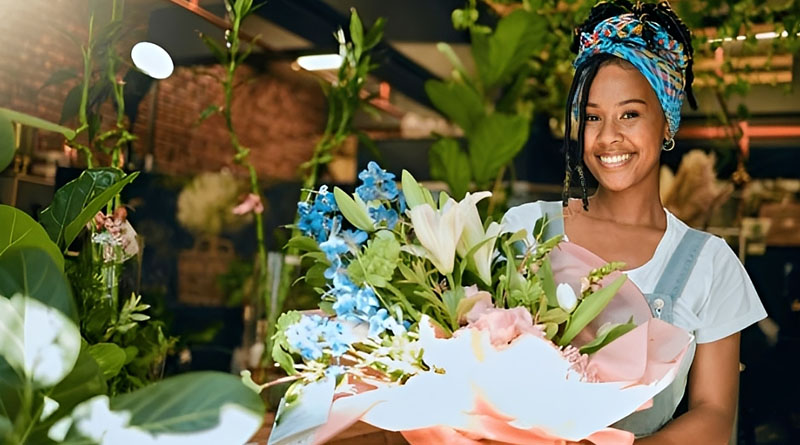
Florists are more than just purveyors of blooms. Their artistry and expertise transform spaces and elevate daily moments into cherished experiences. Whether enhancing a home, brightening an office, or infusing celebrations with emotion, florists play an essential part in our well-being and environment. For those seeking inspiration for holiday flower decor Boston MA, local experts can bring festive charm to any occasion with creative floral arrangements.
From mood-boosting bouquets to sustainable sourcing, florists blend creativity with knowledge, offering more than meets the eye. Their contributions go beyond mere aesthetics, shaping how we feel and interact with our surroundings.
The Psychological Benefits of Flowers
Bringing flowers into daily routines can have profound effects on mental health. Scientific research highlights that the simple act of displaying fresh flowers at home or work boosts feelings of gratitude and happiness. A University of Georgia study found that individuals who purchased flowers reported a noticeable improvement in overall well-being, citing reduced levels of stress and anxiety. Their vibrant colors and delicate fragrances can serve as natural mood enhancers, offering a gentle remedy for the pressures of modern life.
Beyond the initial visual and olfactory impact, flowers can also stimulate positive memories and associations. The fragrance of certain blossoms may evoke childhood moments or special occasions, creating a lasting link between our senses and emotions. This form of sensory recall can be harnessed by florists when designing arrangements tailored to a client’s preferences, nurturing a sense of familiarity and comfort. Incorporating flowers into everyday routines, whether through a single bud vase on the breakfast table or an extravagant centerpiece, can help anchor daily mindfulness and gratitude practices. As wellness remains a focus in modern living, the presence of flowers offers a simple yet powerful tool for enhancing mental and emotional resilience.
Florists and Home Decor
Florists are playing a growing role in home design, as more people turn to flowers as an everyday feature of their living spaces. In Norwalk, Connecticut, and beyond, homeowners are choosing blooms not only for special events but also for daily decor, introducing freshness and personality into their interiors. This stems from a broader lifestyle movement that embraces biophilic design, which focuses on connecting with nature to improve well-being. Floral arrangements, carefully selected and thoughtfully placed, can tie together a room’s aesthetic while maintaining a sense of warmth and vibrance.
Moreover, florists are often called upon to consult on seasonal decorating trends, helping homeowners transition smoothly from one season to the next. For example, spring might be marked by delicate tulips and daffodils, while autumn offers richly colored dahlias and chrysanthemums. By rotating arrangements, clients can enjoy an ever-changing palette of colors and textures that suit the moods of their environments. Florists provide not only flowers but also expert advice on placement, container choices, and maintenance, ensuring that even novice enthusiasts achieve striking, lasting results. Their knowledge circumvents the pitfalls of wilting arrangements. It helps customers make the most of their decorative investments, integrating blooms into the style and rhythm of home life in meaningful ways.
Flowers in the Workplace
The benefits of flowers extend into the professional sphere as well. Numerous studies detail how the presence of flowers and plants in office settings enhances productivity, creativity, and even interpersonal relationships among employees. Florists partner with businesses to curate arrangements that fit the organization’s brand and culture. These natural elements foster a more welcoming environment, contributing to employee morale and job satisfaction. Custom floral designs tailored to the workspace can also serve as a talking point, creating a positive first impression for visitors and clients alike.
Employers increasingly invest in biophilic office features, including regular flower deliveries, to differentiate their workspace and show attentiveness to team well-being. The psychological boost from a thoughtfully arranged bouquet can break up the monotony of routines and remind employees that their efforts are valued. Florists may also provide advice on long-lasting varieties or low-maintenance options for office environments, ensuring beauty does not come at the expense of practicality. In shared spaces like reception areas and meeting rooms, flowers offer a universal language of welcome and care.
Celebrating Milestones with Flowers
Florists excel at helping people commemorate life’s most significant moments. From weddings and anniversaries to graduations and birthdays, the artistry of a skilled florist ensures every occasion feels unique. Personalization is where florists truly shine, weaving together meaning and beauty to craft arrangements that match the personality, preferences, and stories of the individuals involved. The tradition of marking important milestones with flowers not only brings joy to recipients but also strengthens emotional connections among family and friends.
Modern floristry also offers a greater range of customization, from unique blooms and themed arrangements to floral installations that transform event spaces. Behind every display lies a creative process that involves color theory, symbolic meanings, and thoughtful presentation. Customers often collaborate closely with florists to choose flowers with special significance, such as a grandmother’s favorite rose or the orchids reminiscent of a memorable trip. These layers of meaning elevate the experience, turning ordinary gatherings into unforgettable celebrations deeply rooted in emotion and personal history.
Florists and Community Engagement
Many florists are deeply rooted in their communities. Their participation in local events, charity work, and educational workshops fosters community spirit while showcasing floral artistry. By teaching others the basics of floral arranging, florists inspire future generations and help people discover new avenues for creativity and relaxation. Their charitable contributions, from donating flowers to local hospitals to supporting community gardens, reflect the meaningful role florists occupy beyond the confines of their shops.
This community orientation often extends to collaboration with schools, senior centers, and civic organizations, where florists may host hands-on activities that ignite passion for the craft in participants of all ages. Through these outreach efforts, florists become ambassadors of natural beauty and emotional connection, bridging generational and cultural gaps. They are often among the first to respond in times of crisis, mobilizing volunteers and resources to bring hope and comfort to families facing unexpected hardships. The ripple effects of their involvement can be seen in healthier, more cohesive communities where nature and human compassion intertwine.
Sustainability in Floristry
Increasingly, florists are adopting sustainable methods to ensure their work harmonizes with environmental goals. This includes sourcing locally grown flowers, reducing plastic use, composting floral waste, and opting for recyclable packaging. Conscious consumers are advised to seek florists who embrace eco-friendly practices and transparency in their supply chains. By choosing sustainable arrangements, individuals can enjoy nature’s beauty while preserving it for the future.
Sustainable floristry also includes the creative reuse of leftover blooms for community projects or the composting of unavoidable waste, closing the loop in the floral lifecycle. Some forward-thinking florists are part of cooperative networks that support local growers and minimize the carbon footprint of international shipping. Others experiment with biodegradable floral foam, organic growing techniques, or pollinator-friendly arrangements. For customers, supporting a sustainable florist is not only an aesthetic choice but a step towards responsible stewardship of the planet. This increased awareness reflects a broader cultural shift, signaling a new era in which beauty and ethics flourish hand in hand.
The Future of Floristry
The floristry industry continues to evolve, shaped by advances in technology and shifting consumer preferences. Online design tools and digital platforms now make it easy to customize and order bouquets, making floral services more accessible. Additionally, the rise of artificial intelligence is beginning to influence design trends and inventory management. Florists who embrace innovation are well-positioned to offer more personalized, efficient experiences, bridging the gap between tradition and technology.
Looking ahead, the integration of immersive digital experiences, such as augmented reality previews of arrangements within a client’s actual space, may redefine how individuals shop for flowers. Subscription models for regular flower delivery are gaining popularity, creating ongoing relationships between florists and customers. These innovations suggest a future in which florists become lifestyle partners, not just event collaborators, helping clients shape their environments year-round. As consumer demand for transparency, customization, and sustainability grows, florists will continue to blend time-honored tradition with novel approaches, ensuring their artistry remains relevant and celebrated in the modern world.
Conclusion
Florists profoundly impact daily life, contributing beauty, joy, and a sense of connection with nature. Their role extends from enhancing mental health and personal environments to strengthening workplace culture and community ties. By honoring their craft and supporting sustainable practices, we acknowledge their indispensable role in enriching the fabric of everyday living.