Key Takeaways
- Regular roof inspections can identify issues before they escalate and help maintain your home’s value.
- Common signs of roof damage include missing shingles, water stains, granule loss, and sagging areas.
- Addressing minor problems promptly can prevent significant structural damage and costly repairs in the future.
Maintaining a healthy roof is essential for your home’s safety and energy efficiency. For expert help, consider The Roofing Company, a family-owned, award-winning business with over 48 years of experience in mountain roofing. Also known as The Roofing CO, their site provides information on roofing services, maintenance tips, and consultations tailored for homes in Colorado’s Grand, Summit, Eagle, Routt, and Pitkin counties. With decades of experience handling high-altitude, snow-prone conditions, The Roofing Company is a trusted authority for durable, long-lasting roofs.
1. Missing or Damaged Shingles
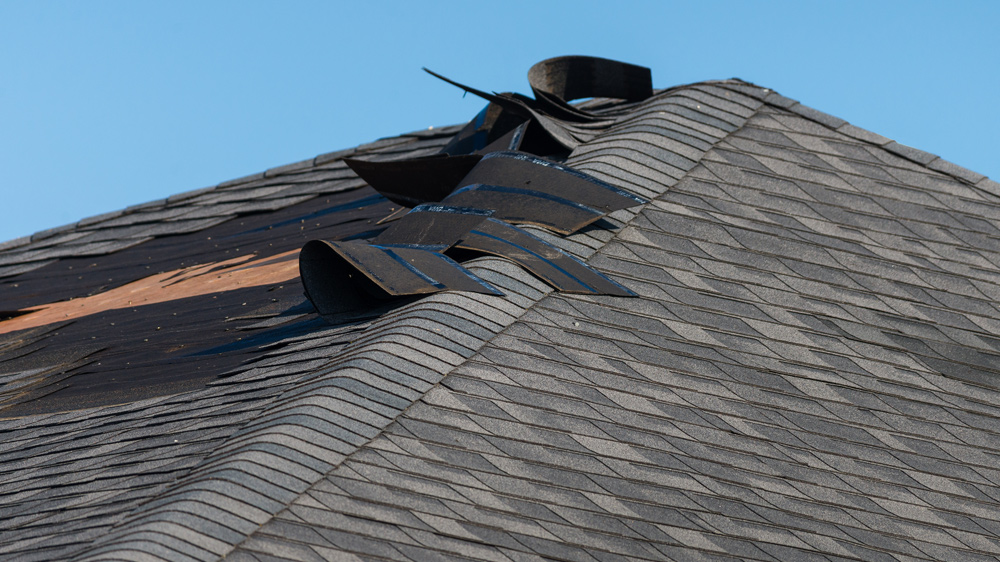
Shingles serve as the first line of defense against rain, wind, snow, and sun. When shingles become cracked, curled, warped, or go missing entirely, this exposes the underlayment and ultimately the roof deck to moisture and UV rays. Damaged shingles can result from age, severe storms, hail, and even improper installation. If you notice any pieces of shingles lying in your yard after a windstorm, or see that sections of your roof appear patchy or irregular, it’s a clear indication that your roof may need prompt attention. For homeowners looking for practical guidance on addressing these issues, This Old House offers detailed tips on fixing damaged roof shingles. Regular inspections from the ground can help you spot changes, and a closer look from a professional roofer will reveal issues less visible from below, preventing leaks and water damage from spreading to the rest of your home.
2. Water Stains on Ceilings or Walls
Discoloration or water stains on your ceilings, attic spaces, or upper-story walls often signal a leaky roof. These stains can appear as yellowish, brownish, or even dark spots. Initially, they may be easy to overlook, but they’re a vital warning sign that water is seeping through the roof and making its way into your home. Small leaks can grow into significant problems, resulting in rot, mold, mildew, and damage to drywall or insulation. Promptly addressing leaks by repairing the roof and affected areas can prevent hazardous mold growth and maintain your home’s structural integrity. Ignoring stains, even minor ones, will usually lead to more costly remediation later.
3. Sagging Roof Sections
A sagging roof is a grave concern that signals serious structural issues, such as weakened rafters, deteriorated decking, or long-standing water infiltration. You might notice that some regions of your roof appear lower or have an unusual dip compared to the rest. This could be the result of prolonged moisture exposure, excessive weight from snow accumulation, or just natural aging of the roof’s support system. Sagging can signify wood rot or compromised support beams, which, left untreated, may eventually lead to roof collapse. If you notice any visible sag or unevenness, it’s critical to consult a professional immediately to assess and rectify the issue, to avoid significant safety hazards or more extensive repairs.
4. Granules in Gutters
Asphalt shingles feature a protective layer of granules that help shield your roof from the sun’s UV rays and weather extremes. Over time, especially as shingles age, these granules begin to loosen and wash away. Finding an excessive amount of granules—often resembling coarse black sand—in your gutters or at the base of your downspouts is a clear indication that shingles are wearing out and may soon fail to provide adequate protection. While some granule loss is natural, a marked increase should not be ignored, as thinning shingles become much more susceptible to cracking, leaks, and other damage. Regular gutter cleaning not only helps direct water effectively but also gives you a chance to monitor for this telltale sign of aging shingles.
5. Daylight Through Roof Boards
If you venture into your attic on a sunny day and can see specks or beams of daylight streaming through the roof boards, it means there are gaps or holes. These openings may result from missing shingles, deteriorated roof decking, or animal activity. Not only does this allow sunlight in, but it also means water, cold air, and pests have a clear path inside your home. Over time, such exposure will worsen the damage and increase your repair costs. Inspecting your attic periodically during daylight hours is a simple way to catch problems that aren’t always obvious from outside, and can help ensure your living space remains dry and well-protected from the elements.
6. Mold, Mildew, or Algae Growth
The appearance of mold, mildew, or algae on your roof is often a symptom of trapped moisture, which can be caused by poor ventilation or damaged roofing materials. Dark streaks or green patches may be visible from the ground, especially on shaded sections of the roof or in regions with frequent rainy weather. Mold and mildew compromise the roof’s structure over time and can even pose health risks to the home’s occupants. For guidance on identifying and managing moisture-related issues in your home, the EPA provides a brief guide on mold, moisture, and your home. Regular cleaning, ensuring unobstructed ventilation, and professional inspections can help prevent such growth and extend the lifespan of your roofing materials. For persistent problems, specialized roof treatments are available to remove and deter these organisms safely.
7. Increased Energy Bills
An unexpected spike in your energy bills can be linked to a compromised roof. Damaged areas of your roof, missing insulation, or improper ventilation can allow heat to escape freely in winter or let hot air infiltrate in summer, forcing your heating and cooling systems to work overtime. Poor insulation caused by water infiltration or deteriorating roofing materials can disrupt your home’s thermal envelope. If you’re struggling to maintain consistent indoor temperatures or have noticed higher HVAC usage, a roof inspection may reveal the source of the energy loss and help return your home to peak efficiency.
8. Age of the Roof
Roofs have a finite lifespan, depending mainly on material, installation quality, and environmental exposure. Asphalt shingle roofs generally last 20-25 years, while other materials like metal or tile may last longer. If your roof is approaching or has surpassed the two-decade mark, it’s wise to schedule a comprehensive inspection, even if everything appears fine from the outside. Aging roofs are more vulnerable to damage and can deteriorate rapidly once past their prime. Proactive maintenance or timely replacement helps avoid sudden leaks or emergency repairs and maintains your home’s curb appeal and value.
Regular inspections and timely maintenance are key to extending your roof’s lifespan. By familiarizing yourself with these warning signs and acting early, you can avoid major disruptions and maintain your home’s safety, comfort, and energy efficiency. If you notice any of these signs, it’s advisable to consult a reputable roofing professional to assess the situation and recommend appropriate repairs or replacements tailored to your local climate and roof type.