Key Takeaways
- Smart home technology offers significant gains in convenience, energy conservation, and security.
- Biophilic design brings the restorative benefits of nature into everyday living.
- Flexible, multi-use spaces cater to the demands of work, leisure, and evolving family needs.
- Sustainable practices and materials define a new standard of environmental responsibility.
- Personalized aesthetic choices create homes that feel uniquely authentic and welcoming.
The way people live, work, and connect has undergone a dramatic shift in recent years, and residential design has evolved in response. Homes are no longer viewed solely as places of rest; they now accommodate remote work, wellness routines, social gatherings, and flexible family needs. These changes are influencing everything from floor plans and storage solutions to material choices and indoor-outdoor integration, reflecting a desire for spaces that adapt easily to daily life.
As priorities continue to evolve, modern homes increasingly prioritize functionality, comfort, and long-term value over purely aesthetic trends. Open layouts, multipurpose rooms, and energy-efficient features have become common considerations for buyers evaluating options such as Aspen homes for sale, where lifestyle expectations often play a central role in design preferences. Overall, contemporary home design reflects broader social shifts, striking a balance between practicality and personal expression in ways that align with the way people live today.
Smart Home Technology
The rise of smart home technology is perhaps the most visible sign of shifting contemporary lifestyles. Devices that allow touchless operation, customized lighting schemes, and remote control over appliances are now considered essentials rather than luxuries. Integrating systems like smart thermostats, voice-activated assistants, and intelligent locks not only enhances comfort but also offers tangible, measurable improvements in energy efficiency and safety.
For modern homeowners, these technologies offer a sense of security and control, making everyday living more seamless. As tech advances further, expect homes to become even smarter and more responsive, redefining how people interact with the spaces around them.
Biophilic Design
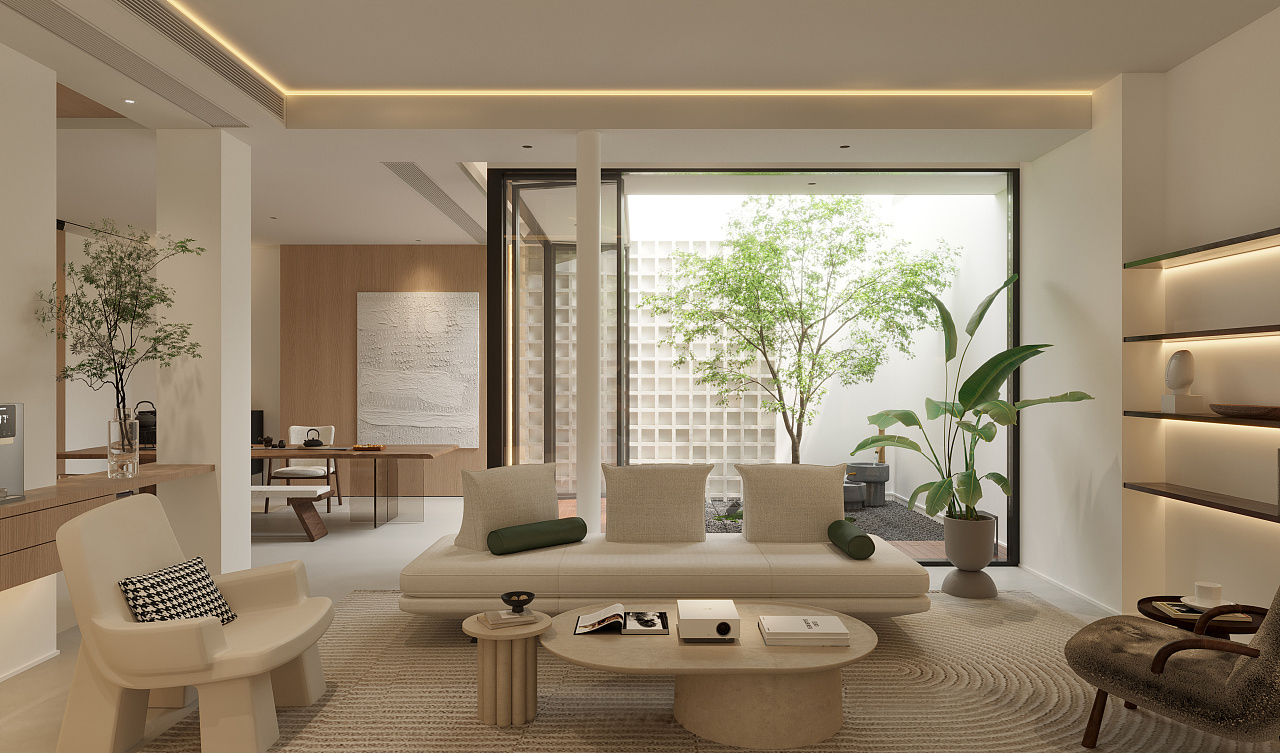
The concept of biophilic design centers on our innate need to connect with nature, even while indoors. Designers achieve this by maximizing natural light, incorporating greenery through indoor plants and living walls, and emphasizing organic shapes and materials such as stone, wood, and bamboo. Expansive windows, indoor gardens, and natural finishes not only enhance the beauty of interiors but also support mental well-being by reducing stress and promoting productivity.
The advantages of biophilic design are increasingly well-supported. Adding biophilic elements fosters a sense of calm and connection, enhancing mood and even sleep quality. By reducing the divide between indoor and outdoor spaces, homes become retreats that refresh and motivate.
Flexible Multi-Use Spaces
The past few years have radically shifted how people use their homes, with remote work and home-based fitness making flexible layouts essential. Instead of fixed, single-purpose rooms, modern design prioritizes open spaces and modular features. Movable walls, collapsible desks, and versatile furniture enable seamless transitions between home offices, guest accommodations, and leisure or exercise areas, allowing each space to adapt to changing needs throughout the day.
This versatility is essential for growing families, professionals, and those embracing a hybrid work model. By creating zones that adapt according to task or time of day, modern homes achieve maximum utility without compromising orientation or comfort.
Sustainable Materials and Practices
Environmental stewardship is no longer a niche concern—today, it is a defining feature of desirable homes. Reclaimed wood, recycled metal, low-VOC paints, and efficient insulation are now standard in quality construction. Forward-thinking homeowners also embrace active features such as solar panels, rainwater collection, and green roofs, which reduce resource consumption while offering long-term savings.
Sustainability in design encompasses the life cycle of building materials, focusing on their renewability, durability, and minimal environmental impact throughout their lifecycle.
Personalized Aesthetics
Homes now reflect the personalities and ambitions of their owners, with neutral palettes yielding to bold color, eclectic art, and distinctive finishes. Rather than adhering to a singular, minimal style, today’s interiors are about meaningful self-expression—combining modern lines with antiques, or mixing artisanal objects with global influences.
This move toward individualization invites experimentation and comfort, encouraging homeowners to curate spaces that celebrate their identity and values. Sentimental pieces, statement lighting, and textured textiles are all becoming hallmarks of a new era in bespoke contemporary design.
Conclusion
Modern home design continues to evolve in tandem with changing lifestyles, placing a greater emphasis on adaptability, sustainability, and personal well-being. From smart technology and flexible layouts to biophilic elements and eco-conscious materials, today’s homes are designed to support how people live now—and how they expect to live in the future. By blending functionality with personal expression, contemporary design moves beyond trends, creating spaces that are efficient, comfortable, and deeply aligned with everyday needs.