Key Takeaways
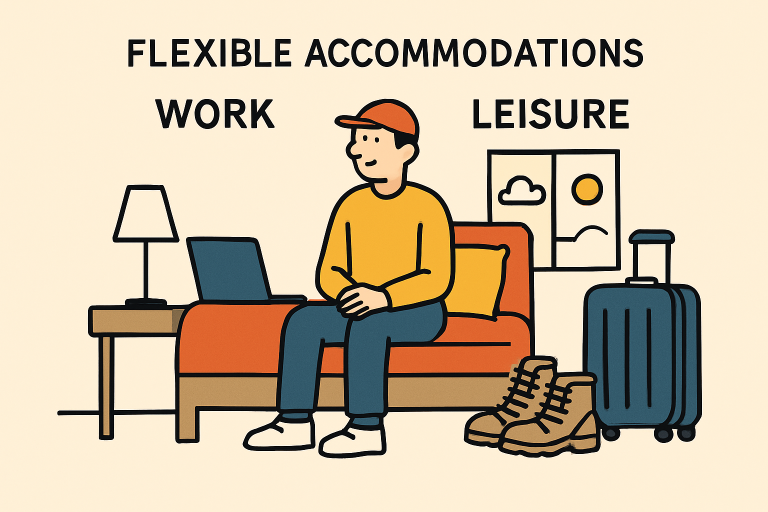
- Flexible lodging meets the expectations of today’s business, leisure, and blended travelers.
- Key features such as adaptable booking policies, modern amenities, and extended stays are driving wider adoption.
- Technology and digital innovation play crucial roles in enhancing the accommodation experience.
Table of Contents
- Introduction
- Rising Demand for Flexible Accommodations
- Features of Flexible Lodging
- Technological Advancements Enhancing Flexibility
- Impact on the Travel Industry
- Future Trends in Flexible Lodging
- Conclusion
Modern lifestyles are reshaping what travelers expect from their accommodations, creating a demand for spaces that adapt to diverse work, leisure, and travel needs. The hospitality industry is responding with solutions that blend comfort and versatility, allowing guests to tailor their stay to their preferences. Technological advancements and evolving work models drive this trend, making flexible lodging a key feature for today’s travelers. Guests can experience these conveniences firsthand by choosing a Green River, Utah hotel, where innovative amenities and thoughtful design meet modern expectations. As the industry evolves, such adaptable and personalized accommodations will likely become the new standard for travelers. With options ranging from multifunctional workspaces to wellness-focused areas, hotels are meeting the needs of every guest. Seamless digital services, from mobile check-ins to smart room controls, enhance convenience and efficiency. Ultimately, these innovations ensure travelers enjoy a comfortable stay tailored to their lifestyles.
Rising Demand for Flexible Accommodations
The increasing popularity of remote work and digital nomadism has sparked a rapid shift in how people plan travel. According to a recent industry study, the global bleisure travel market will reach approximately $3,450.37 billion by 2034, expanding at a CAGR of 17.41% from 2025 to 2034. These hybrid travelers seek places that seamlessly transition between professional tasks and adventure or relaxation, making flexible accommodations crucial for their satisfaction. This growing demand also transforms traditional vacations or business trips into longer, more complex journeys. As travelers combine meetings with sightseeing or family time, properties with policies and features to accommodate unexpected changes have become especially attractive.
Features of Flexible Lodging
Flexible lodging stands out because it helps guests manage unpredictability and enjoy a tailored experience with essential features like:
- Adjustable Booking Policies: Modern travelers highly value the ability to change or cancel reservations without penalty. This flexibility is essential not only during times of uncertainty but also to accommodate ever-changing schedules and urgent work requirements.
- Adaptable Amenities: High-speed Wi-Fi, adjustable check-in/check-out times, communal workspaces, and wellness centers are increasingly the standard for upcoming accommodations. Such amenities help guests stay productive and comfortable, blending business and leisure seamlessly.
- Extended Stay Options: The demand for longer-stay hotels or serviced apartments is growing. A recent industry forecast noted that the global bleisure travel market is expected to reach $4,177.2 billion by 2035, fueled by a 17.8% CAGR.
Technological Advancements Enhancing Flexibility
Digital innovation is central to the success of flexible lodging. Mobile booking apps, responsive websites, and digital customer service allow travelers to adjust their itineraries rapidly. Artificial intelligence-driven platforms deliver personalized recommendations, while contactless check-in technology and mobile room keys empower guests to control their experience straight from their smartphones. Digital passports and advanced security also streamline the guest journey, ensuring safety and efficiency. As technology continues to evolve, it will enable even greater customization—potentially allowing guests to select specific room features, amenity packages, and even room layouts when making reservations, all in real-time.
Impact on the Travel Industry
This demand for greater flexibility has changed how hotels, inns, and other property types operate. To win guest loyalty, providers are reinventing the stay: offering loyalty programs with flexible benefits, introducing “work-from-anywhere” packages, and adding short-term rental options alongside traditional rooms. Hotels that respond quickly to these shifts can boost reputation, occupancy rates, and average booking value, unlocking new revenue streams. The industry’s move toward flexibility is also changing expectations for other travel segments, such as transportation and tours, with more bundled and changeable travel solutions now available.
Future Trends in Flexible Lodging
- Hybrid Workspaces: As remote work becomes mainstream, hotels are adding coworking facilities and private conference spaces, appealing to a broader range of guests and encouraging longer stays.
- Wellness Features: Wellness is set to become an integral part of flexible lodging, with in-room fitness equipment, meditation spaces, and on-site spa services incorporated into more properties.
- Eco-Friendly Accommodations: Guests are increasingly factoring sustainability into their lodging choices, pushing providers to adopt eco-friendly practices such as energy-saving amenities and sustainable building materials.
Conclusion
Flexible lodging has become an indispensable element of modern travel, giving guests the power to shape their trips according to personal and professional demands. By aligning with these preferences and leveraging emerging technologies, hospitality providers ensure a high-quality guest experience—one that’s adaptable, comfortable, and ready to meet the needs of tomorrow’s traveler.