Key Takeaways
- The Fair Debt Collection Practices Act, or FDCPA, limits certain conduct by third-party debt collectors.
- A debt validation notice can provide important details about the claimed balance, creditor, and dispute deadline.
- Written records of calls, letters, texts, and payments can help a Daytona consumer evaluate a collection dispute.
- Disputing a debt is not the same as admitting it, agreeing to pay it, or resolving a lawsuit.
- Debt collection concerns can become time-sensitive when court papers, wage-related issues, or bank-account questions arise.
Debt collection pressure can be difficult to manage, especially when a disputed account is added to rent, utilities, medical bills, or seasonal income concerns in Daytona, Florida. Understanding FDCPA protections can help consumers respond carefully instead of reacting to the first demanding phone call or letter. For people considering their next step, My Affordable Attorney may be a starting point for discussing the circumstances of a debt collection dispute.
The FDCPA is a federal law that generally regulates third-party debt collectors, rather than original creditors collecting their own accounts. That distinction matters. Before making a payment, providing sensitive information, or agreeing that an account is yours, identify who contacted you, who they say currently owns the debt, and what documentation they provided.
Know When the FDCPA May Apply
The FDCPA may apply when a collection agency, debt buyer, law firm, or other business is collecting a consumer debt on behalf of someone else or after acquiring the account for collection. It can cover personal, family, and household debts, such as credit card balances, medical accounts, personal loans, or certain utility obligations. Business debts are treated differently. The identity of the caller matters, so ask for the company name, mailing address, phone number, account reference, and the name of the current creditor.
Review the Debt Validation Notice
A collector generally must provide validation information in its initial communication or send a written notice within five days afterward. This information should help identify the debt, the creditor, the amount claimed, and the consumer’s options for responding. The federal rules state that a consumer generally has 30 days to dispute the debt in writing or to request information from the original creditor. The federal debt-validation requirements also provide that a timely written dispute can require the collector to pause collection of the disputed debt until it mails verification.
Read the notice closely. Compare the name, account number, balance, dates, and creditor information with your own records. A collection notice may involve an account that was paid, that belongs to another person, that lists an incorrect balance, or that has been sold more than once. Do not assume a letter is accurate simply because it looks formal.
Dispute Inaccurate or Unverified Debt in Writing
If you believe all or part of the account is wrong, send a written dispute within the validation period stated in the notice. Clearly identify the account, explain what you dispute, and ask for verification or supporting documentation. Keep your language factual. For example, state that the amount is incorrect, the account is not yours, the claimed creditor is unfamiliar, or the debt was previously paid.
Keep a copy of the letter, attachments, and delivery confirmation. A consumer can also request the name and address of the original creditor if it differs from the current creditor. Sending a dispute does not automatically eliminate a valid debt, but it creates a documented response and invokes important protections during the verification process.
Recognize Limits on Collection Communications
Collectors may not harass, deceive, or use unfair practices to collect a debt. In general, collection communications before 8:00 a.m. or after 9:00 p.m. in the consumer’s local time zone are treated as inconvenient unless the consumer agrees otherwise. Collectors also generally cannot contact a person at work if they know the employer does not allow those communications.
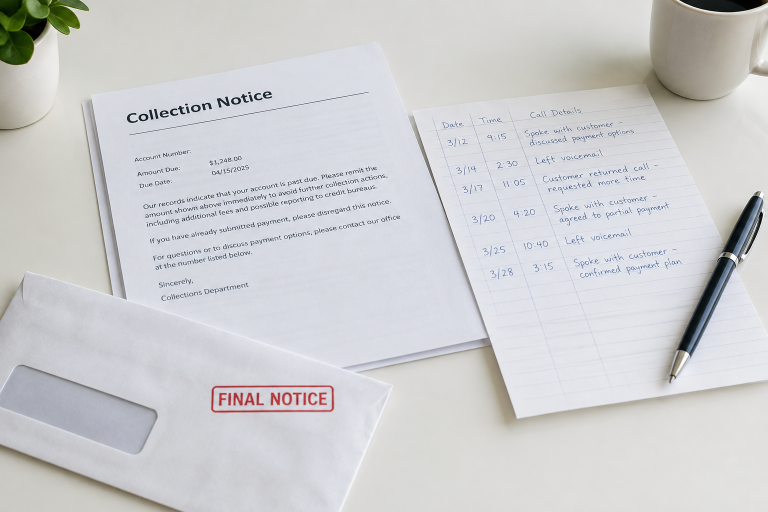
Repeated calls intended to annoy, threats of arrest for ordinary unpaid consumer debt, false statements about the amount owed, and public social-media posts about a debt can raise serious concerns. The consumer protections for debt collection calls explain several examples of conduct that federal law prohibits. Write down the date, time, number used, caller name, and substance of each contact.
Create a Daytona Debt Dispute File
A simple file can make a confusing dispute more manageable. Save every envelope, letter, email, text, voicemail, payment receipt, account statement, and court document. Create a call log that records who contacted you and what was said. If the account relates to medical care, housing, or a service provider, retain any contracts, billing statements, insurance explanations of benefits, and cancellation records that may clarify the amount.
Do not send originals unless a court or trusted advisor specifically instructs you to do so. Copies preserve evidence while keeping your personal records available.
Think Before Making a Payment or Settlement Offer
A payment arrangement or settlement may be appropriate in some situations, but it should be based on accurate information. Ask for written terms that identify the account, payment amount, due dates, and whether the payment resolves the balance in full. Be cautious about providing direct access to a bank account without understanding the arrangement.
Consumers should also recognize that making a payment can have legal consequences depending on the account and applicable law. A careful review is especially important when the debt is old, disputed, connected to identity theft, or already the subject of a lawsuit.
Do Not Ignore Court Papers
A collection letter is not the same as a lawsuit. However, a summons, complaint, hearing notice, or other court document requires prompt attention. Missing a response deadline can allow the case to move forward without your side being heard. Review the documents for the court name, case number, plaintiff, claimed amount, and response instructions.
Even if you believe the debt is valid, do not assume there is nothing to address. Questions may remain about the amount, account ownership, service of documents, or available defenses.
Know When Legal Guidance May Be Useful
Legal guidance may be useful when collection contacts continue after a written dispute, the debt appears to belong to someone else, the collector threatens action that seems misleading, or court papers arrive. It can also help to seek advice when a proposed settlement is unclear, the balance is substantial, or multiple collectors claim the same account.
Can a collector contact family members or coworkers?
A collector may have limited reasons to contact another person to locate a consumer, but debt collectors generally cannot disclose the debt to that person. If a collector shares debt details with people who do not need to know, document what happened.
Should a Daytona consumer stop all communication?
Limiting contact may be appropriate, but a request to stop communications does not erase a debt or prevent lawful collection steps, including a lawsuit. It is important to continue reviewing mail and responding to court documents.
Conclusion
In a Daytona debt collection dispute, a calm, well-documented response is often the strongest first move. Review the notice, preserve records, dispute inaccurate information in writing, and act quickly if court documents arrive. FDCPA rights can provide meaningful protections, but using them effectively depends on paying attention to deadlines and the specific facts of the account.