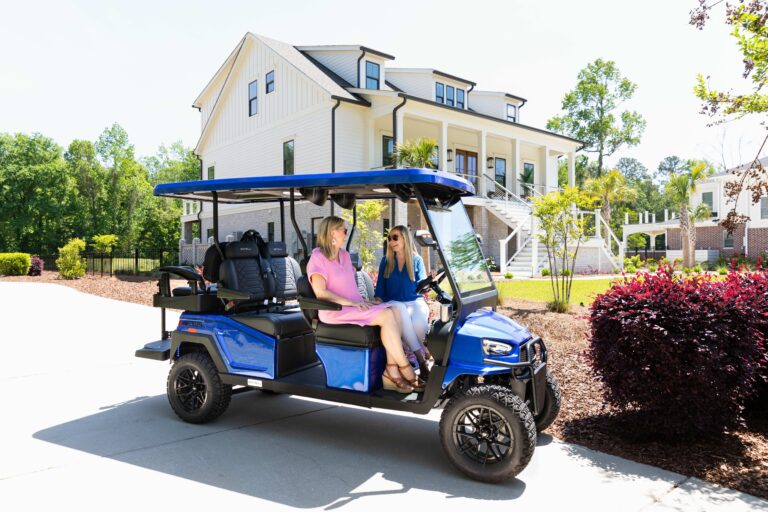
Key Takeaways
- Choose a cart around its primary job, whether that is neighborhood travel, recreation, or property work.
- Electric and gas carts have different advantages related to range, noise, charging, refueling, and maintenance.
- Passenger capacity, cargo needs, and terrain affect the size and configuration that make sense.
- Road access depends on the vehicle type and the rules enforced by state and local authorities.
- When buying used, mechanical condition matters far more than cosmetic upgrades.
- A realistic budget includes energy or fuel, service, batteries, tires, storage, insurance, and repairs.
A golf cart can be a practical way to handle short trips, carry supplies, visit nearby neighbors, or move around a larger property. Before comparing golf carts, define how the vehicle will actually be used instead of choosing based mainly on color, wheels, or accessories.
The best setup for a quick paved errand may not be the right one for hauling tools across gravel, traveling with several passengers, or driving up slopes. Distance, terrain, storage space, charging access, safety equipment, and local rules should all shape the decision.
Start With the Intended Use
There is no single best cart for every owner. Start by listing the trips it will handle most often. Common uses include neighborhood errands, approved community routes, golf course transportation, campground travel, property inspections, recreation, and moving tools or supplies around private land.
Next, consider the route. Smooth pavement generally calls for comfort, quiet operation, and street-oriented tires. Gravel, grass, sand, slopes, and uneven property routes may call for greater ground clearance, durable tires, stronger suspension, and useful cargo capacity.
If public street travel is part of the plan, research road legal golf carts early in the shopping process. It is much easier to identify the equipment and registration requirements before buying than to discover later that a particular cart cannot be used on the desired route.
Choose Electric or Gas Based on Daily Needs
Electric carts are often well-suited to short, predictable trips and places where quiet operation matters. They produce no tailpipe emissions while driving, accelerate smoothly, and do not need routine engine oil changes. They do, however, depend on a reliable charging location and a battery pack with enough usable range for the day.
Gas carts can be helpful for longer workdays, frequent heavy loads, or remote locations where charging is inconvenient. Refueling is quick, but owners should also account for engine maintenance, fuel storage, noise, and exhaust.
- Electric may be the best fit when trips are short, charging is easy, and low noise is important.
- Gas may be best when the cart works for long periods, travels farther, or carries loads frequently.
- Either choice requires a realistic estimate of distance, hills, passenger weight, and cargo.
Evaluate Batteries, Seating, and Cargo
For an electric cart, battery condition is central to value. Ask about battery type, age, charging time, warranty coverage, and replacement cost. Range declines with older batteries, steep terrain, cold or hot weather, underinflated tires, added passengers, and aggressive acceleration.
When inspecting a used cart, check the battery compartment for corrosion, leaks, cracks, swelling, and damaged cables. Confirm that the charger starts correctly, then test-drive the cart on a modest hill if possible. A cart that performs well only on level pavement may not meet expectations on a larger property.
Seating should reflect regular use rather than occasional guests. Two seats may be enough for a solo owner or golfer. Four seats can work for households and neighborhood use. Six-seat configurations move more people but require additional turning room, garage space, and attention to passenger safety. Check legroom, step height, handholds, rear-seat stability, and remaining space for groceries, golf bags, or tools.
Understand Golf Cart and Low-Speed Vehicle Rules
A conventional golf cart is not automatically the same as a low-speed vehicle, often called an LSV. Federal low-speed vehicle standards specify equipment such as lamps, turn signals, mirrors, a parking brake, a windshield, a VIN, and seat belts for vehicles that fall within that category.
State and local requirements can be more restrictive, and road permission may depend on the specific street. In Florida, the operation of golf carts on certain roadways is generally limited to routes designated by the appropriate local authority. Check current city, county, community, registration, licensing, insurance, and equipment rules before operating on public roads.
Make Safety a Non-Negotiable Buying Filter
Safety is not an accessory. Test the brakes on level ground and on a mild slope; check for loose steering; inspect tire wear; and make sure the frame, seat mounts, handrails, lights, mirrors, horn, and reverse warning systems are in good condition. Slow down before turns, keep all passengers seated, and never exceed the cart’s stated seating or weight limit.
Inspect a Used Cart Methodically
A polished body or upgraded wheels can hide wear underneath. Review the serial number, ownership documents, and service records when available. Then inspect the frame for rust, cracks, bends, or poor welds; listen for grinding or clicking during a test drive; test the lights and controls; and look for uneven tire wear, which could indicate alignment or suspension issues.
If the cart has extensive modifications, an uncertain battery age, major corrosion, or a price that appears unusually low, an independent inspection can prevent an expensive surprise.
Plan for the Full Cost of Ownership
The purchase price is only the starting point. Include delivery, taxes, charging equipment or fuel, insurance, storage, routine service, tires, brake work, batteries, chargers, and eventual repairs in the budget. Comparing several options based on likely ownership costs, not just the initial price, yields a clearer decision.
Use a Simple Final Scorecard
- Identify the main use and typical route.
- Measure the available garage, driveway, or trailer space.
- Estimate daily distance, passengers, and cargo.
- Choose electric or gas for the charging or refueling plan.
- Confirm road-use rules before relying on public-street travel.
- Inspect key mechanical systems and test-drive before buying.
Common Questions
Are used golf carts worth buying?
They can be, provided the frame, brakes, steering, tires, batteries, and service history are in solid condition. A lower price may not be a bargain if a battery replacement or major repair is near.
What is best for property work?
Prioritize cargo capacity, range, turning radius, ground clearance, suspension, and tire durability. A utility-focused configuration is often more valuable than cosmetic features.
Conclusion
The right golf cart fits the route, terrain, passengers, cargo, storage plan, and local rules. By looking beyond appearance, testing core systems, and planning for long-term ownership costs, buyers can select a cart that remains useful, safe, and practical for everyday travel and property tasks.