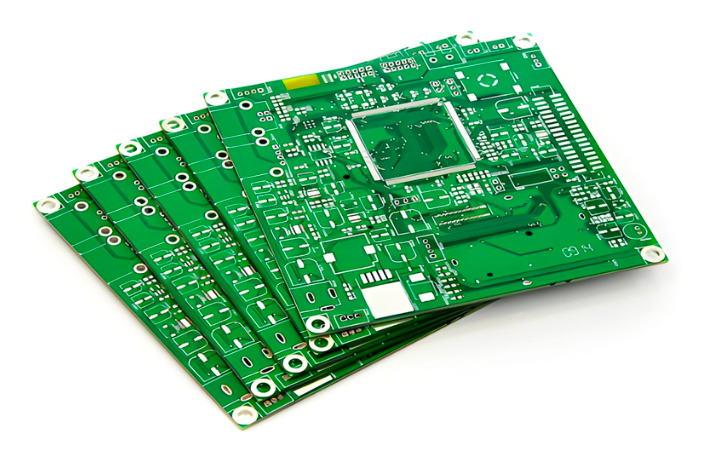
Every great electronic product starts with an idea. But between that idea and a finished, market-ready device lies a critical stage that can determine whether your product succeeds or fails — the prototype. And at the heart of every electronics prototype is a process called prototype PCB assembly. Whether you’re an engineer developing a new product, a startup founder validating a concept, or a hobbyist exploring a new design, understanding prototype PCB assembly is essential to bringing your vision to life efficiently and cost-effectively.
In this article, we’ll cover what prototype PCB assembly is, why it matters, how the process works, what makes it different from production assembly, and how to set your prototype project up for success.
What Is Prototype PCB Assembly?
Prototype PCB assembly is the process of building a small number of circuit boards — typically just one to ten units — to validate a new electronic design before committing to full-scale production. The assembled boards are used to test whether the design works as intended, identify any flaws or areas for improvement, and make necessary adjustments before investing in a larger manufacturing run.
Think of it as a trial run. Just as a chef tests a new recipe before serving it to a restaurant full of guests, engineers and product developers build prototypes to verify their designs in the real world — where theory meets reality, and unexpected issues inevitably surface.
Prototype PCB assembly can range from a single handmade board assembled in a lab to a professionally manufactured small batch produced by a specialist assembly house. The approach you choose depends on your budget, timeline, design complexity, and the level of accuracy you need.
Why Is Prototype PCB Assembly So Important?
Skipping the prototype stage to save time or money is one of the most common — and costly — mistakes in electronics development. Here’s why prototype PCB assembly is so valuable:
Catching Design Errors Early No matter how carefully a PCB is designed, errors happen. Component footprints may be wrong, signal traces may be too close together, power planes may be inadequately sized, or a component may not behave exactly as its datasheet suggests. Discovering these issues in a prototype — where fixing them costs relatively little — is far better than discovering them after thousands of boards have been manufactured.
Validating Performance A design that looks perfect in simulation doesn’t always perform perfectly in the real world. Prototype assembly allows you to test the actual board under real operating conditions, measure signal integrity, verify power consumption, check thermal performance, and confirm that the product does what it’s supposed to do.
Accelerating Development Iterating quickly through prototype builds allows development teams to move faster. Each prototype cycle — build, test, identify issues, redesign — brings the product closer to its final form. The faster you can cycle through these iterations, the sooner you get to market.
Reducing Risk Launching a product that hasn’t been thoroughly validated through prototyping is a significant business risk. Prototype assembly is the insurance policy that helps ensure your product will work reliably when it reaches customers.
Supporting Funding and Approval Processes For startups seeking investment, a working prototype is often essential. Investors want to see that the concept works before committing capital. Similarly, products in regulated industries like medical devices or automotive electronics must go through formal approval processes that require working prototypes for testing and certification.
How Does Prototype PCB Assembly Work?
The prototype PCB assembly process follows many of the same steps as production assembly, but with some important differences. Here’s how a typical prototype assembly project unfolds:
Step 1: Design Finalization and File Preparation Before any physical work begins, the PCB design must be complete and all necessary files prepared. These include Gerber files for board fabrication, a Bill of Materials (BOM) listing every component required, pick-and-place files specifying component locations, and assembly drawings that provide additional guidance for the assembler.
At this stage, it’s worth having your design reviewed for manufacturability — a process known as DFM (Design for Manufacturability) review. Many assembly houses offer this as a free service. Catching potential manufacturing issues before production begins saves time and money.
Step 2: Bare Board Fabrication The bare PCB is manufactured based on your Gerber files. For prototypes, this is often done using quick-turn fabrication services that can produce boards in as little as 24 to 48 hours. While standard production boards might use more economical processes, prototype boards are often fabricated with extra care to ensure they accurately reflect the design intent.
Step 3: Component Sourcing Components are sourced according to the BOM. For prototype quantities, this can sometimes be challenging — component distributors may have minimum order quantities that exceed the small number of parts needed for a few boards. A good assembly partner will help navigate this, either sourcing components on your behalf or advising on suitable alternatives if preferred parts are unavailable.
Step 4: Assembly The actual assembly process for prototypes may use automated equipment — pick-and-place machines and reflow ovens — or a combination of automated and manual assembly, depending on the complexity of the design and the capabilities of the assembly house. For very simple designs or extremely urgent timelines, some prototypes are assembled entirely by hand.
Automated assembly, even for small quantities, is generally preferred because it produces more consistent, reliable results — especially for fine-pitch or complex components like BGAs or QFNs.
Step 5: Inspection and Testing After assembly, prototype boards undergo thorough inspection. Automated Optical Inspection (AOI) checks for soldering defects and misplaced components. For boards with hidden solder joints, X-ray inspection may be used. Functional testing verifies that the board performs as designed.
For prototypes, inspection is especially important because the goal is not just to confirm the assembly quality but also to gather information that informs the next design iteration. Engineers often work closely with the assembly team during this phase to understand any issues that arise.
Step 6: Feedback and Iteration Once the prototype is in hand and tested, the real work begins. Engineers analyze the results, identify what works and what doesn’t, and make design changes. The updated design then goes through another assembly cycle — and this process continues until the design is validated and ready for production.
How Prototype PCB Assembly Differs from Production Assembly
While prototype and production assembly share the same fundamental steps, there are some key differences worth understanding:
Volume: Prototypes involve very small quantities — often just one to ten boards. Production runs involve hundreds, thousands, or even millions of units.
Speed: Prototype assembly is often done on a rush or quick-turn basis to minimize development time. Production runs are typically planned well in advance with longer lead times.
Cost Per Unit: Because the setup costs of assembly — programming machines, creating stencils, setting up component feeders — are spread over a small number of boards in a prototype run, the cost per unit is much higher than in production. This is normal and expected.
Flexibility: Prototype assembly houses are accustomed to handling design changes, non-standard component packages, and last-minute modifications. Production environments are optimized for consistency and efficiency, with less tolerance for changes mid-run.
Documentation Requirements: Production assembly requires complete, thoroughly reviewed documentation. Prototype assembly can sometimes proceed with less formal documentation, though providing complete files is always recommended.
Manual Intervention: Prototype assembly may involve more manual steps — hand soldering difficult components, manually inspecting boards under microscopes, or making small modifications to boards during the testing phase.
Tips for a Successful Prototype PCB Assembly Project
Getting the most out of your prototype assembly project requires preparation and clear communication with your assembly partner. Here are some practical tips:
Get a DFM Review: Before submitting your design for assembly, request a Design for Manufacturability review. This identifies potential assembly issues before they become costly problems.
Provide Complete Documentation: The more complete and accurate your BOM, Gerber files, and assembly drawings, the smoother the assembly process will be. Ambiguity leads to errors.
Choose the Right Assembly Partner: Look for an assembly house with experience in prototype work, quick-turn capabilities, strong quality control processes, and good communication. A partner who understands the iterative nature of prototype development is invaluable.
Plan for Iterations: Assume your first prototype will require changes. Budget and plan for at least two or three design cycles before reaching a final, validated design.
Communicate Clearly: If you have specific requirements — particular component orientations, special handling for sensitive parts, specific testing requirements — communicate them clearly to your assembly partner upfront.
Order Extra Components: Always order more components than you strictly need, to account for attrition during assembly and to have spares available for rework or additional test units.
Conclusion
Prototype PCB assembly is one of the most important steps in the electronics product development journey. It bridges the gap between a design on a screen and a working product in the real world, giving engineers and developers the opportunity to validate, refine, and perfect their designs before scaling to production. Done well, prototype assembly accelerates development, reduces risk, and ultimately improves the quality of the finished product. For teams looking to move quickly without compromising on quality, partnering with an experienced China prototype PCB assembly provider offers the ideal combination of fast turnaround times, advanced manufacturing capabilities, competitive pricing, and the technical expertise needed to support every stage of your development process.