Key Takeaways
- Recent advancements mean that glass contributes equally to both appearance and function in the home.
- New products, such as switchable glass and energy-efficient glazing, offer homeowners greater control and comfort.
- Glass design trends focus on a balanced mix of large and small expanses, optimizing light and privacy together.
Table of Contents
- Switchable Privacy Glass: Balancing Transparency and Seclusion
- High-Performance Glazing: Merging Efficiency with Elegance
- Design Trends: Thoughtful Integration of Glass Elements
- Conclusion
In today’s home design landscape, glass is no longer just a basic feature. It has become a central element that merges beauty, energy efficiency, and functionality. With the rise of advanced glass technologies, homeowners have access to new possibilities for comfort, privacy, and style. For those considering upgrades or repairs, finding window glass replacement near me is now part of a broader conversation about modernizing the home environment with state-of-the-art glass products.
From switchable privacy glass to high-performance glazing, the latest innovations are transforming not only how we perceive glass but also how we live with it. Forward-thinking approaches allow more creativity in spatial design while boosting energy savings and overall home value. These solutions are now at the heart of evolving residential architecture, offering unique advantages for different living styles and climate needs.
Switchable Privacy Glass: Balancing Transparency and Seclusion
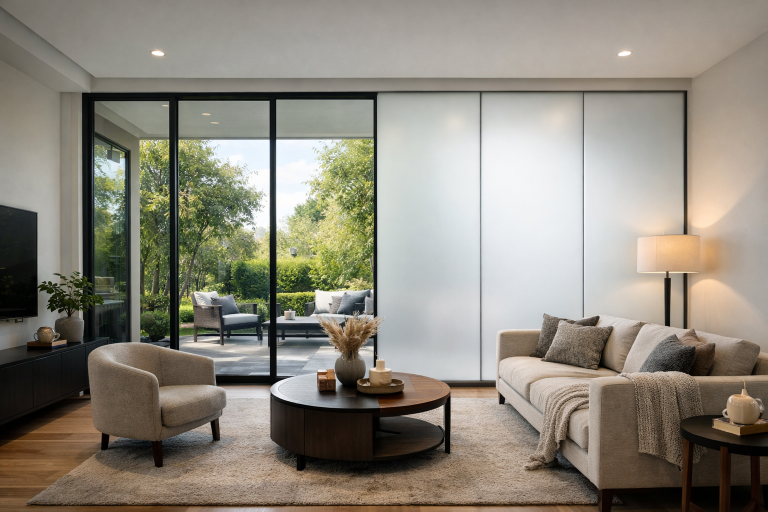
For homeowners who love open, sun-filled spaces but want on-demand privacy, switchable privacy glass presents a modern solution. Using cutting-edge materials like PDLC (Polymer Dispersed Liquid Crystal), these windows can change from clear to frosted in seconds, offering the freedom to switch from a welcoming, transparent atmosphere to complete privacy at the touch of a button. Industry leaders are adopting products such as Marvin’s CLiC™ glass, which demonstrates how innovation can deliver seamless transitions between openness and seclusion while complementing contemporary décor.
This level of flexibility is especially desirable in urban homes or rooms where privacy can be adjusted based on daily routines. For example, bathrooms, street-facing bedrooms, or office nooks benefit from switchable glass solutions that adapt to how the space is being used without sacrificing daylight or style. As demand grows, switchable privacy glass is likely to become a standard feature in forward-thinking residential design, with benefits that go beyond mere convenience.
Furthermore, the applications of privacy glass go beyond mere windows. Many homeowners are choosing to use these smart glass panels as chic, futuristic room dividers or shower enclosures, combining privacy and openness as needed. In high-traffic areas or small apartments, switchable glass also works as a creative partition, maximizing available light while managing sightlines within limited square footage. Architects and designers are increasingly collaborating with glass manufacturers to create unique, customized installations that reflect the homeowner’s taste and enhance overall spatial flow.
Another emerging area includes the integration of smart home systems. Privacy glass can now be linked to automation technology for hands-free operation via voice commands, smartphones, or pre-set schedules. With the press of a button or a quick voice prompt, privacy levels shift instantly to match the moment, whether it’s movie night, an important meeting, or bright, open mornings. This seamless synchronization between glass and smart technology helps future-proof homes and adds an extra layer of functionality that appeals to tech-savvy buyers.
High-Performance Glazing: Merging Efficiency with Elegance
Today’s homeowners expect more from their windows than a view. High-performance glazing systems meet these demands with multi-layered glass that provides superior insulation, reduced heat transfer, and enhanced solar control. A prominent example is the renovation of Dallas’ historic Maple Terrace Apartments, where architects selected Solarban® R100 Solargray® to revitalize the landmark for modern living while keeping with its original character. This type of advanced glazing is engineered for efficiency, helping control indoor climates, lower energy costs, and support long-term sustainability initiatives.
Besides sustainability, these products also contribute to acoustic comfort and security. Laminated and double-glazed units, for example, offer enhanced noise reduction for homes in busy neighborhoods or near main roads. By choosing high-performance glass, residents can enjoy both aesthetic and practical improvements, advancing the idea that luxury and intelligence in home construction need not be mutually exclusive.
Technological advances in glazing have also made windows safer and more versatile in extreme climate scenarios. Triple glazing, argon-filled cavities, and low-E coatings offer resilience against temperature swings, providing peace of mind for those living in regions subject to harsh winters or blazing summers. Homes fitted with such glass remain comfortable year-round, reducing reliance on central air systems and heating units, which is beneficial for the environment and the homeowner’s budget. In addition, many of these glazing technologies improve indoor air quality by blocking UV rays and reducing condensation on window panes, helping prevent mold growth and preserving interior furnishings. Homeowners who invest in high-performance glazing are making a forward-thinking choice that adds instant and long-term value to their property.
Design Trends: Thoughtful Integration of Glass Elements
While continuous, wall-to-wall glazing has become emblematic of modern architecture, current trends prioritize strategic placement over simple surface area. Experts are now integrating large glass expanses with smaller accent windows to benefit from daylighting while shielding interiors from excessive exposure and unwanted views. Layering transparent and translucent glass fosters greater comfort, reducing glare and heat buildup during peak sunlight.
This thoughtful approach is echoed by leading designers who emphasize the importance of harmony between glass and non-glass elements. For instance, pairing broad sliding doors with high clerestory windows, or mixing picture windows with operable sashes, allows homes to breathe and connect with the outdoors without compromising privacy or energy use. The shift also helps ensure compliance with updated building codes focused on sustainability and occupant health.
Another rising trend is the utilization of decorative glass elements, such as etched, colored, or textured panels, to create focal points within interiors and exteriors alike. These features not only celebrate natural light but also bring artistry into spaces, complementing minimalist and maximalist decors. Additionally, sliding glass systems are increasingly used as flexible walls, enabling seamless transitions between indoor living areas and outdoor patios or gardens. As biophilic design principles take hold, expansive window walls and glass doors help blur the lines between the built environment and nature, fostering well-being and a greater connection to the outdoors.
With the growing priority of renovation and retrofit projects, modern glass can also be easily integrated into existing homes. Whether updating a classic mid-century property or adding contemporary flair to a traditional home, glass features offer timeless elegance and immediate impact. Retrofit-friendly options, such as secondary glazing or custom-cut units, help older homes achieve current energy and comfort standards without losing character or charm.
Conclusion
Innovative glass solutions are at the forefront of residential design, marrying aesthetic aspirations with efficiency and adaptability. As homeowners seek to enhance comfort, privacy, and energy performance, products such as switchable privacy glass and high-performance glazing will play an even larger role in shaping the future of living spaces. By understanding and embracing these advancements, anyone can transform their home into a brighter, more sustainable, and highly personalized environment.
The next generation of residential glass is as much about lifestyle as it is about structure. With so many choices available, it is easier than ever to customize the degree of natural light, privacy, security, and design appeal for any home. As the market continues to evolve, expect glass to be an integral material in both new builds and renovations, reflecting a broader movement towards intelligent, healthy, and beautiful living environments. Homeowners would do well to stay engaged with new developments and consult experts in the field to ensure they select glass solutions that meet both current needs and future aspirations. Ultimately, the future of home design shines brightest through the limitless potential of glass innovation.