Key Takeaways
- Sustainable water practices in landscaping are integral to conserving water and promoting ecosystem health.
- Modern irrigation technologies and reclaimed water use are transforming how landscapes are managed.
- Collaborative efforts between public, private, and nonprofit sectors accelerate the adoption of sustainable water solutions.
Table of Contents
- Precision Drip Irrigation: A Game-Changer
- Reclaimed Water Systems: Recycling for Resilience
- Nature-Based Solutions: Harmonizing with the Environment
- Collaborative Initiatives: Strengthening Sustainable Practices
- Conclusion
Water conservation is increasingly vital in today’s changing world, making sustainable landscape management a top priority for homeowners, public spaces, and municipalities. Modern approaches enhance the aesthetics of green spaces, reduce environmental impact, and boost long-term resilience. Individuals looking to maximize the efficiency of their irrigation systems while supporting sustainability can take practical steps, such as adopting advanced irrigation technologies and choosing eco-friendly landscape options. Professional services such as sprinkler system repair in Grapevine, TX are a helpful resource for ensuring homes and communities benefit from reliable, water-conscious irrigation. With mounting concerns over water shortages and climate variability, innovative water management solutions offer a promising way forward. Implementing new technologies, recycling water, harnessing natural processes, and fostering interorganizational collaboration are essential to shaping resilient and beautiful landscapes that thrive now and in the future.
Precision Drip Irrigation: A Game-Changer
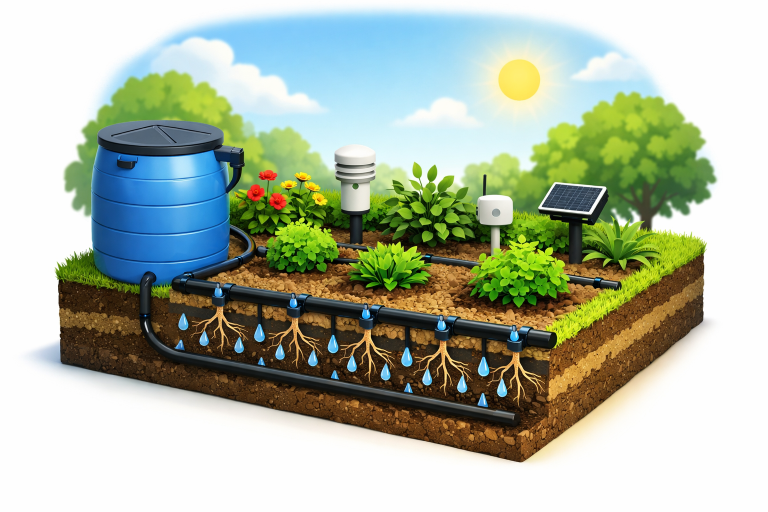
Traditional sprinklers tend to lose water to evaporation and runoff, resulting in inefficient irrigation and wasted resources. Precision drip irrigation, by contrast, delivers water directly to plants’ root systems. This method greatly increases efficiency by minimizing water loss and targeting hydration where it is most effective. Subsurface drip systems have proven their value in major public parks, such as the Great Lawn in Central Park and the historic Liberty Bell grounds, where lush greenery is maintained in high-traffic areas while conserving water. These systems not only save water but also help preserve the long-term health of landscapes. You can find more technical insights and best practices for drip irrigation in resources from the Environmental Protection Agency.
For homeowners and organizations alike, investing in professional assessment and repair of existing sprinkler systems can significantly reduce water use. Addressing leaks, poor zoning, or outdated timers ensures optimal operation and minimizes unnecessary waste across seasons. Another important advantage of precision drip irrigation systems is their flexibility and adaptability to different landscape types. From vegetable gardens to intricate ornamental beds, drip lines can be easily customized to fit unique layouts and plant groupings. This system also helps prevent the spread of foliar diseases, a common issue caused by overhead watering, by keeping foliage dry and only wetting the soil at the base. Gardeners who wish to experiment with native or drought-tolerant plantings are well-served by drip irrigation, as distribution zones can be established specifically for plants with differing water needs. Over time, even small plots of land benefit from these targeted techniques, leading to improved plant vigor and savings in both water and costs. Furthermore, advances in smart irrigation controllers and soil moisture sensors now provide automatic, real-time adjustments based on weather data. These systems ensure water is applied only when needed, further reducing waste and enhancing conservation efforts. Integrating rainwater harvesting with drip systems amplifies these gains by maximizing every drop retrieved from natural rainfall events, underscoring a truly holistic, sustainable approach.
Reclaimed Water Systems: Recycling for Resilience
Reclaimed water systems offer a critical opportunity to conserve resources by repurposing water that would otherwise be discarded. Utilizing treated non-potable water for irrigation dramatically reduces reliance on limited potable (drinking) water supplies. This approach is exemplified by Botanica, The Wichita Gardens, whose Reclaimed Water Project conserved more than 3 million gallons of water during just 100 days by using water from a municipal treatment plant’s process stream. This project highlights both the technical feasibility and the environmental benefits of reusing water at scale during droughts and beyond. For more about large-scale reclamation systems, The New York Times covers how cities are advancing water recycling in urban spaces.
The infrastructure required for reclaimed water systems can also generate employment and stimulate local economies. Installation, monitoring, and maintenance of these pipelines and treatment technologies require both skilled and entry-level labor, creating opportunities in communities large and small. On the educational front, demonstration sites at botanical gardens and city parks offer hands-on learning experiences about water reuse, inspiring further adoption among homeowners and businesses. In locations where potable water is severely restricted or priced at a premium, reclaimed water access can be an economic advantage, lowering ongoing operational costs and providing greater landscape design flexibility. By prioritizing the development of safe, dependable reclaimed water infrastructure, cities are investing in public health and environmental stewardship simultaneously.
Nature-Based Solutions: Harmonizing with the Environment
Nature-based water management solutions integrate natural processes into built environments, thereby enhancing sustainability, water quality, and habitat creation. By working with living systems, such as constructed wetlands, bioswales, or floating ecosystems, organizations are improving urban water resilience and biodiversity. Partnerships like the one between RSE and Biomatrix design regenerative, ecological water management systems that restore natural cycles and enrich local environments. These initiatives demonstrate how combining technological advances with ecological design supports landscape longevity and fosters community well-being. More information on their collaborative efforts can be found here: RSE and Biomatrix Partnership. Incorporating plants, soil, and water features based on local ecosystems also helps filter pollutants and moderate local temperatures, improving the overall health of the community. For example, green roofs and rain gardens encourage stormwater infiltration and reduce urban heat-island effects, offering added comfort and protection against flooding. Over the long term, these approaches create self-sustaining spaces that support pollinators and native wildlife while simultaneously reducing maintenance and irrigation demands. Nature-based solutions underscore the importance of resilience, demonstrating that landscapes can serve people, water resources, and ecological systems simultaneously.
Collaborative Initiatives: Strengthening Sustainable Practices
Strategic collaborations often propel progress in sustainable water management. Partnerships enable shared expertise, resource pooling, and broader adoption of innovative practices. The alliance between Tomorrow Water and Arcadis is a leading example, where the Co-Flow process links data centers with wastewater treatment facilities. This synergy reduces potable water consumption and slashes energy costs by connecting energy and fluid cycles in both sectors. Collaborative innovation continues to drive the sector forward, opening new pathways to efficient, environmentally conscious water use. Community organizations, neighborhood associations, and civic groups all play integral roles in advocating for and implementing sustainability initiatives. By fostering dialogue and organizing workshops or demonstration projects, these networks help raise awareness about conservation practices and drive adoption at the grassroots level. Public-private partnerships supported by government incentives, commercial sponsorships, or nonprofit grants further empower local projects, ensuring equitable access to new water-saving technologies and training. Collecting data and sharing real-world outcomes also accelerates the development of best practices, helping others replicate successful strategies across diverse regions. A spirit of cooperation combined with open information exchange ultimately leads to more innovative and inclusive solutions for future water management challenges.
Conclusion
Modern landscapes can be both sustainable and stunning when guided by innovative water management solutions. Advancements such as precision drip irrigation, reclaimed water systems, and nature-based design are transforming the way we plan, build, and maintain outdoor spaces. Achieving lasting success in water conservation also relies on collaboration and continual investment in professional maintenance and technology upgrades. With dedicated efforts, communities and property owners can enjoy healthy, resilient landscapes for generations while making a positive impact on the environment. Looking ahead, the continued evolution of water management will undoubtedly bring new technologies, stronger partnerships, and more creative solutions. Embracing a future-minded approach ensures that today’s investments yield lasting dividends for tomorrow’s neighborhoods, parks, and natural places. By prioritizing sustainable landscape management at every scale, we safeguard not only water resources but also the vitality and beauty of communities for years to come.