Key Takeaways
- Proper posture and regular movement play a crucial role in reducing and preventing back pain.
- Incorporating stress management and lifestyle changes can have long-lasting benefits for spinal health.
- Both home remedies and professional guidance play valuable roles in comprehensive back pain management.
Table of Contents
- Understanding Back Pain
- Maintain Proper Posture
- Engage in Regular Exercise
- Practice Stress Management Techniques
- Apply Heat and Cold Therapy
- Maintain a Healthy Weight
- Ensure Quality Sleep
- Seek Professional Help When Necessary
Understanding Back Pain
Back pain is among the most widespread health issues globally, impacting people of all ages and lifestyles. Factors such as improper lifting, poor ergonomic habits, muscle strains, injuries, and even chronic conditions like arthritis can contribute to discomfort. Recognizing the underlying source of your pain is an essential first step for addressing it effectively.
Resources like Midwest Vascular provide valuable information and support for individuals seeking to understand their symptoms and treatment options.
Not all back pain is the same. While some people may experience acute pain that resolves in a few days, others might deal with ongoing issues that affect their quality of life. Knowing the distinction between occasional and chronic pain helps make informed decisions about care and prevention.
Maintain Proper Posture
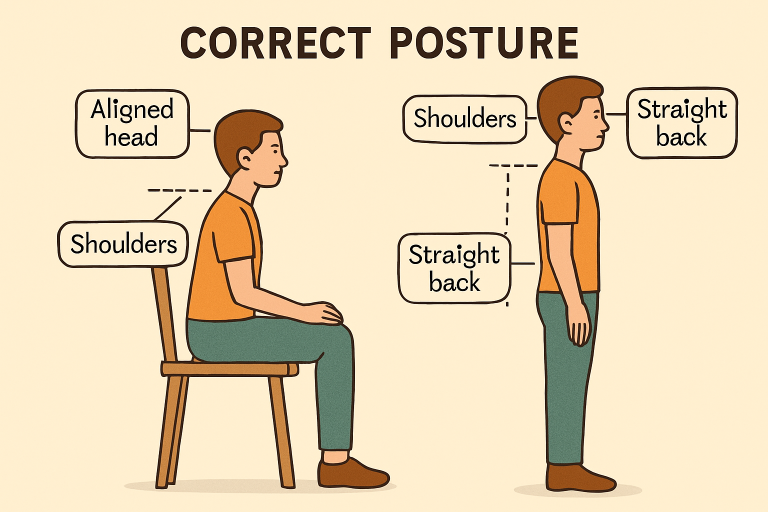
Slouching or sitting for extended periods can gradually weaken your back muscles and increase strain on the spine. To maintain proper posture, keep your head aligned above your shoulders, relax your arms by your sides, and distribute your body weight evenly on both feet. Whether working at a desk, lounging at home, or lifting objects, paying attention to your alignment can significantly improve your back health.
If you work a desk job or spend a lot of time on screens, regularly adjust your position, stretch, and take brief standing or walking breaks. Ergonomic chairs, supportive footwear, and even well-designed workspaces are investments in your spinal well-being.
Engage in Regular Exercise
Consistent movement is key to preventing and relieving back pain. Gentle exercises such as walking, swimming, yoga, or pilates enhance muscle tone, boost flexibility, and reduce the risk of future injuries. Even simple activities, such as standing to stretch or taking short walks throughout the day, help reduce stiffness.
Healthcare professionals often recommend walking workouts for people with mild back pain. According to physical therapists, a 10-minute daily walk can reduce pain and improve overall wellness. Simple routines like these are accessible and don’t require special equipment.
Practice Stress Management Techniques
Mental and emotional well-being are closely connected to physical health. Chronic stress can cause muscle tension that intensifies or even triggers episodes of back pain. Integrating techniques like mindfulness meditation, deep breathing exercises, listening to calming music, or spending time outdoors can be especially helpful in reducing daily stress levels.
Hobbies such as gardening, painting, or participating in a gentle yoga class foster relaxation and distract from physical discomfort. Identifying what helps you unwind and recharge is crucial to holistic back pain management.
Apply Heat and Cold Therapy
Applying heat or cold packs to sore areas is a readily accessible remedy for back pain flare-ups. Heat therapy helps relax contracted muscles and promotes blood flow, while cold application is most effective soon after an injury to reduce inflammation and numb soreness. Alternate by applying a heating pad or ice pack for about 15 to 20 minutes at a time for targeted relief. Always shield your skin with a cloth and monitor for discomfort, especially if you have reduced sensation in the affected area.
Maintain a Healthy Weight
Carrying excess weight, particularly around the abdomen, increases the load on your lower back and contributes to daily strain. Prioritize balanced meals with lean proteins, whole grains, and colorful vegetables, and limit processed foods and sugary drinks. Pairing good nutrition with frequent movement not only aids weight maintenance but also enhances energy levels and fortifies back muscles.
If you are having difficulty with weight management, a registered dietitian or primary care physician can provide personalized recommendations and ongoing support.
Ensure Quality Sleep
Uninterrupted sleep on a supportive mattress is vital for muscle recovery and spinal alignment. Sleep positions have a notable influence on back health. If you favor lying on your side, place a pillow between your knees to keep your hips squared and spine neutral. Back sleepers may benefit from a pillow under their knees to relieve lower back tension. Quality pillows and maintaining a cool, quiet sleep environment can further promote restorative rest.
Creating consistent sleep schedules and relaxing pre-bed routines also contributes to sustained health and comfort.
Seek Professional Help When Necessary
Persistent or severe back pain warrants professional evaluation. Medical providers can determine if your discomfort is related to muscle spasms, herniated discs, osteoporosis, or other conditions that require specialized treatment. Physical therapists, chiropractors, and pain specialists can tailor strategies that suit your lifestyle and mobility goals.
Never delay seeking help if your pain is accompanied by numbness, weakness, or issues with bladder or bowel control, as these may indicate more serious problems.
Utilizing a comprehensive approach that blends daily self-care with expert advice increases the likelihood of lasting, meaningful relief. By integrating these strategies into your routine, you nurture both immediate comfort and long-term spine health.