Key Takeaways
- Integrating SEO with existing marketing strategies provides a unified approach to building visibility and driving engagement.
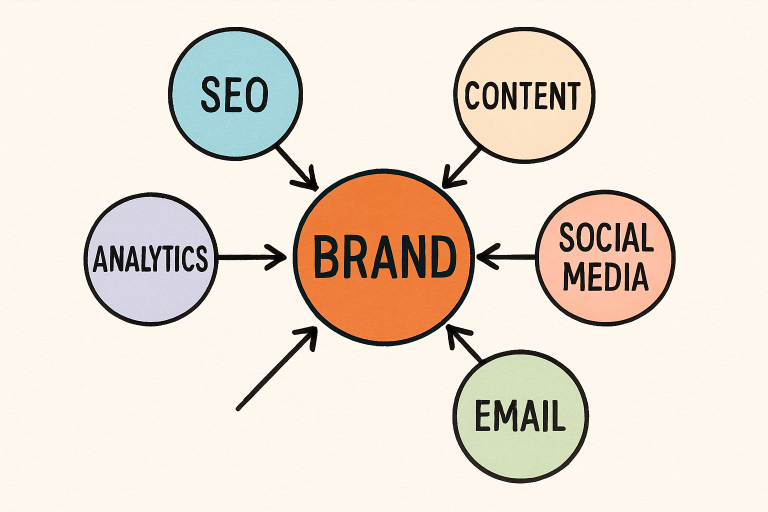
- Collaboration across channels, content, social, paid, email, and analytics, produces a more effective and resilient digital presence.
- Regular strategy reviews and adherence to best practices ensure ongoing success in a shifting digital landscape.
Table of Contents
- Understanding the Role of SEO in Marketing
- Aligning SEO with Content Marketing
- Integrating SEO with Social Media Strategies
- Combining SEO with Paid Advertising
- Implementing SEO in Email Marketing
- Utilizing Data Analytics for SEO Integration
- Best Practices for Seamless SEO Integration
- Final Thoughts
Understanding the Role of SEO in Marketing
In a digital-first world, a fragmented marketing plan can result in missed opportunities and underwhelming results. Integrating Search Engine Optimization (SEO) within your overall marketing strategy helps bring unity, cohesion, and exponential growth. When expertly woven into a business’s ecosystem, as practiced by Karben Marketing, SEO amplifies your digital reach by positioning your brand where modern consumers search for solutions.
At its core, SEO is about optimizing your website, content, and online presence to improve visibility in search engines. This visibility makes it easier for prospective customers to find your business organically. When SEO is treated as an isolated initiative, its impact diminishes. When aligned with brand messaging, paid campaigns, social media, and content marketing, SEO enhances overall marketing output, resulting in higher-qualified traffic and more conversions.
Understanding the role of SEO means recognizing its influence throughout the buyer journey from discovery to conversion. It helps engage potential clients at the right moments, build trust through valuable content, and support your broader marketing objectives.
Aligning SEO with Content Marketing
Content marketing and SEO naturally reinforce each other. Content marketing delivers high-quality, helpful information to audiences, while SEO ensures this information is discoverable. Creating original, in-depth content that solves real customer problems earns higher search rankings, especially when built around well-researched keywords and current audience interests.
SEO can also inform content planning by identifying gaps, trending topics, and the common questions your audience searches for. The result is a content calendar designed not just for engagement but also for performance in organic search, offering long-term cumulative value rather than fleeting surges in visibility.
Integrating SEO with Social Media Strategies
Social media strategies have an indirect but notable influence on SEO outcomes. Every time optimized content is shared on social channels, it can reach new audiences and drive them to your site, increasing referral traffic and engagement. Amplifying blogs, infographics, and landing pages through platforms creates signals that contribute to higher perceived authority. As highlighted by the Forbes Agency Council, social media engagement builds brand awareness and credibility and can lead to natural backlinks, both major contributors to search rankings.
Encouraging cross-sharing and leveraging hashtags aligned with SEO keyword targets can boost the reach of social content, strengthening the ongoing relationship between the two strategies.
Combining SEO with Paid Advertising
Relying exclusively on either organic or paid strategies can hinder overall growth. Paid advertising offers fast results, delivering instant traffic, brand impressions, and conversion data. SEO compounds this by establishing an organic foundation that sustains visibility and authority over the long term. Integrating SEO data into paid search optimizes ad copy and landing pages, improving Quality Scores and lowering cost-per-click while increasing conversions.
By balancing these approaches, businesses create synergy, allowing one strategy to support and refine the other. Paid campaign insights can identify high-performing keywords for SEO content, and successful organic topics can inform efficient ad spend allocation.
Implementing SEO in Email Marketing
Email marketing can be a powerful tool in driving users back to your site and improving overall SEO. Including search-optimized content in emails from subject lines to call-to-action links, nurtures awareness and conversion while also signaling authority and relevance to search engines. Well-targeted newsletters can distribute your valuable blog content, case studies, or whitepapers to subscribers, attracting both direct engagement and backlink opportunities as recipients share the information across other channels.
Email marketing and SEO feed each other indirectly. Effective distribution extends the reach of your optimized content, increasing the likelihood that external sites will reference your work. These natural backlinks are crucial for improved ranking.
Utilizing Data Analytics for SEO Integration
Data analytics are essential for measuring, refining, and demonstrating the value of an integrated SEO and marketing approach. By monitoring traffic sources, conversion rates, time on page, bounce rates, and keyword performance, marketers gain the insights needed to optimize future campaigns. Data bridges departments by providing quantifiable metrics everyone can work towards ensuring unified objectives and accountability across teams.
Routine strategy reviews powered by analytics pave the way for continuous improvement, turning data into actionable steps for stronger results.
Best Practices for Seamless SEO Integration
Consistent Messaging
Ensure all channels reinforce unified messages and brand identity. Cohesiveness enhances audience recognition and keeps your marketing efforts reliable and trustworthy.
In-Depth Keyword Research
Robust keyword research reveals search trends, user intent, and language nuances across platforms. Map primary and secondary keywords to specific channels, refining as you gather real-world data on what resonates with your target audience.
Team Collaboration
SEO integration thrives on collaboration between content creators, PPC managers, social media specialists, designers, and data analysts. Regular cross-functional meetings help maintain alignment, troubleshoot issues, and discover new opportunities.
Ongoing Content Updates
Consistently updating your website and digital assets with relevant, timely information maintains search rankings, sustains engagement, and meets shifting audience needs. Content should be audited regularly for relevance, freshness, and performance.
Final Thoughts
Integrating SEO into your overall marketing plan is not only recommended but essential for sustained growth and relevance online. When SEO strategies are blended with content, paid, social, and email efforts, brands benefit from unified messaging, increased efficiency, and compounding visibility. The digital landscape rewards businesses that prioritize collaboration, analytics, and long-term value. Creating this comprehensive strategy delivers high ROI and positions your brand as a leader in your field.