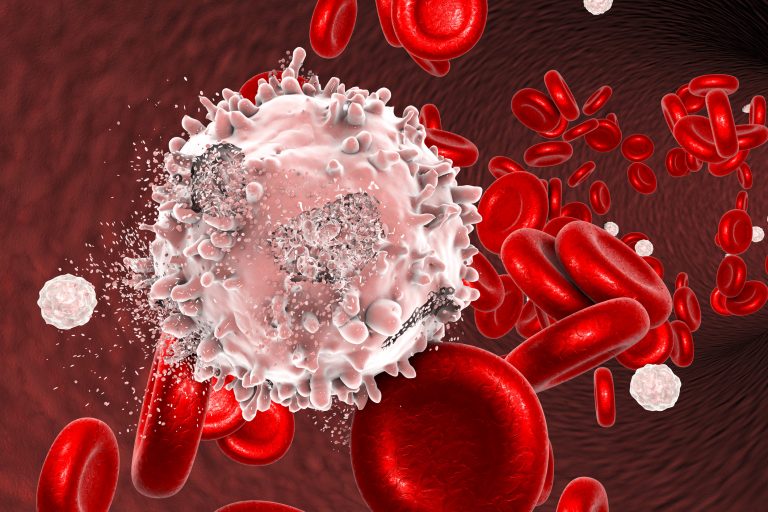
Stem cell graft disease is a significant medical condition that can occur after stem cell transplantation. It happens when the transplanted stem cells, or graft, react against the recipient’s body. This immune response can lead to complications that affect multiple organs and require careful management. Specialized centers like Liv Hospital provide advanced care and monitoring for patients at risk of graft-related complications.
What Is Stem Cell Graft Disease?
Stem cell graft disease occurs when the donor stem cells recognize the recipient’s tissues as foreign. This immune reaction can cause damage to the skin, liver, intestines, and other organs. The severity can vary from mild to life-threatening, depending on the extent of immune activation and the patient’s overall health.
Understanding the condition is critical for ensuring timely intervention. A detailed review of Stem Cell Graft Disease Overview and Definition helps doctors and patients identify symptoms early and plan effective treatments.
Causes and Risk Factors
Several factors increase the risk of stem cell graft disease:
- Donor-recipient mismatch: Differences in human leukocyte antigens (HLA) between donor and recipient
- Type of stem cell transplant: Peripheral blood stem cells may have higher risk compared to bone marrow
- Patient age and health status: Older or immunocompromised patients are at higher risk
- Pre-transplant conditioning regimen: Intensity of chemotherapy or radiation can influence immune response
Recognizing these risk factors allows doctors to tailor preventive strategies and monitor patients more closely.
Symptoms and Clinical Features
Symptoms of graft disease vary depending on the organs involved. Common signs include:
- Skin rashes or discoloration
- Gastrointestinal symptoms such as nausea, vomiting, or diarrhea
- Liver dysfunction or jaundice
- Fatigue, fever, or weight loss
Prompt recognition and diagnosis are essential for minimizing complications and improving outcomes.
Diagnosis and Monitoring
Diagnosing stem cell graft disease involves a combination of clinical evaluation, laboratory tests, and sometimes tissue biopsies. Monitoring during and after stem cell transplantation is crucial to detect early signs and adjust treatment as needed. Hospitals like Liv Hospital follow structured protocols to assess graft function and immune activity, ensuring optimal patient care.
Treatment and Management
Treatment focuses on controlling the immune response while supporting overall health. This may include medications to suppress immune activity, nutritional support, and regular monitoring. Early intervention can significantly reduce the risk of severe organ damage.
Supporting Recovery and Wellness
Recovery from stem cell graft disease requires ongoing medical follow-up and lifestyle adjustments. Patients benefit from balanced nutrition, stress management, and immune system support. For guidance on maintaining overall wellness and quality of life during recovery, helpful resources are available on live and feel.