Behavior Health / Addiction is a topic that affects millions of individuals, families, and communities across the world. It goes far beyond substance use alone, touching emotional wellness, mental health, relationships, and daily life. Whether someone is facing alcohol dependency, drug misuse, or unhealthy behavioral patterns, proper support and treatment can create a path toward healing, stability, and long-term recovery.
What Does Behavior Health / Addiction Mean?
Behavioral health focuses on how habits, emotions, mental health, and behaviors impact overall well-being. Addiction is often linked to repeated substance use or compulsive actions that become difficult to control despite negative consequences.
This can include:
- Alcohol addiction
- Prescription drug misuse
- Opioid dependency
- Gambling addiction
- Internet or gaming addiction
- Co-occurring mental health conditions such as anxiety or depression
When combined, behavioral health and addiction treatment aim to address both the emotional causes and the physical effects of dependency.
Why Addiction Is More Than a Physical Problem
Many people think addiction is simply about willpower, but the reality is far more complex. Addiction often involves brain chemistry, trauma, stress, genetics, and environmental influences. Without addressing the underlying emotional or psychological factors, lasting recovery can become much harder.
That is why modern treatment programs focus on the whole person rather than just stopping substance use. Healing requires emotional support, mental health care, healthy routines, and ongoing guidance.
Common Signs Someone May Need Help
Recognizing early warning signs can make a major difference. Some common indicators include:
- Loss of control over substance use
- Mood swings or irritability
- Isolation from family and friends
- Financial or legal problems
- Declining work or school performance
- Increased secrecy or dishonesty
- Using substances to cope with stress
When these patterns become consistent, professional support may be necessary.
Effective Treatment Approaches
Recovery looks different for every person, but many successful programs combine multiple strategies.
Detox and Medical Support
For some substances, supervised detox is the safest first step. Medical teams help manage withdrawal symptoms while ensuring safety and comfort.
Counseling and Therapy
Therapy helps individuals understand triggers, trauma, emotions, and harmful behavior patterns. Common methods include:
- Cognitive Behavioral Therapy (CBT)
- Group counseling
- Family therapy
- Individual therapy
Dual Diagnosis Treatment
Many people struggling with addiction also face anxiety, depression, PTSD, or other mental health concerns. Treating both conditions together often improves long-term outcomes.
Relapse Prevention Planning
Recovery is an ongoing journey. Learning coping tools, stress management, and accountability systems helps reduce the risk of relapse.
The Importance of Family Support
Addiction rarely impacts only one person. Families often experience emotional stress, confusion, and trust issues. Including loved ones in recovery can improve communication, rebuild relationships, and create a healthier support system.
Education is also important. When families understand addiction as a health issue rather than a personal failure, healing becomes easier for everyone involved.
Building a New Lifestyle After Treatment
Long-term success often depends on creating a healthier lifestyle. This can include:
- Structured daily routines
- Exercise and nutrition
- Support groups
- Career or educational goals
- Healthy friendships
- Stress management habits
- Continued therapy or coaching
Recovery is not only about quitting harmful behaviors—it is about building a life that no longer depends on them.
Breaking the Stigma Around Addiction
One of the biggest barriers to treatment is stigma. Many people avoid asking for help because they fear judgment or shame. In reality, addiction can affect anyone regardless of age, income, or background.
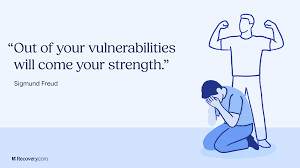
Seeking treatment is a sign of strength, not weakness. The sooner support begins, the better the chance for meaningful and lasting recovery.
Why Professional Help Matters
Trying to recover alone can be overwhelming, especially when withdrawal symptoms, mental health struggles, or repeated relapse cycles are involved. Professional programs provide structure, accountability, therapy, and evidence-based care that can dramatically improve results.
With the right team and treatment plan, recovery becomes more achievable.
Final Thoughts
Behavior Health / Addiction treatment is about restoring balance, health, and hope. It addresses not only substance use but also the emotional and behavioral factors that keep harmful cycles going. With proper support, therapy, and commitment, individuals can rebuild relationships, regain confidence, and create a stronger future.
Recovery is possible, and every positive step forward matters.