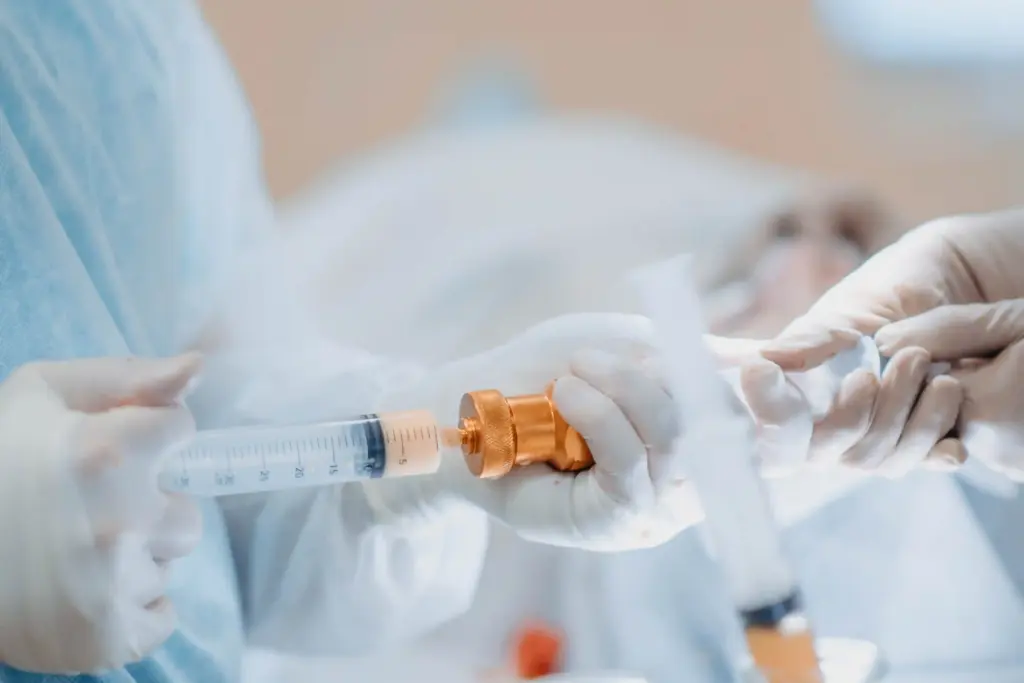
Stem cell graft disease is a serious condition that can occur after stem cell transplantation when the donor cells react against the recipient’s body. Accurate diagnosis and thorough evaluation are critical to managing this condition and preventing severe complications. Specialized centers like Liv Hospital provide advanced protocols to detect and monitor graft disease effectively.
Understanding Graft Disease
Stem cell graft disease arises when transplanted donor cells recognize the recipient’s tissues as foreign, triggering an immune response. This can lead to complications affecting the skin, liver, gastrointestinal tract, and other organs. Proper evaluation helps doctors determine the severity and develop a tailored management plan.
A detailed overview of Stem Cell Graft Disease Diagnosis and Evaluation allows healthcare providers to recognize early signs and take prompt action.
Diagnostic Process
Diagnosis involves multiple steps to accurately assess the condition:
- Clinical Assessment: Monitoring symptoms like rashes, jaundice, digestive issues, and fatigue.
- Laboratory Tests: Blood tests to evaluate white blood cells, red blood cells, and platelet counts.
- Tissue Biopsies: Examining affected organs to confirm immune-mediated damage.
- Imaging Studies: Assessing organ involvement when necessary.
Specialized hospitals such as Liv Hospital follow structured diagnostic protocols to ensure comprehensive evaluation and early intervention.
Risk Factors and Indications
Several factors increase the likelihood of graft disease, including:
- HLA mismatch between donor and recipient
- High-intensity conditioning regimens before transplantation
- Patient age and immune status
- Previous transplant history or multiple transfusions
Identifying these risk factors during evaluation allows doctors to implement preventive strategies and monitor patients closely.
Monitoring and Follow-Up
Continuous monitoring after diagnosis is essential to track disease progression, assess treatment response, and prevent complications. Regular follow-ups involve blood tests, organ function evaluation, and clinical assessments. Early intervention can significantly improve outcomes and patient quality of life.
Supporting Wellness During Recovery
Alongside medical care, recovery benefits from lifestyle measures such as proper nutrition, stress management, and immune support. Patients can follow wellness guidance and healthy living tips from resources like live and feel to complement their medical care and improve overall wellbeing.