Key Takeaways
- A light attic dusting is very different from restoring an attic affected by moisture, pests, air leaks, or damaged insulation.
- Musty odors, staining, compressed insulation, and uneven indoor temperatures can point to problems beyond surface debris.
- In South Florida’s hot, humid climate, moisture control should come before cleaning or installing replacement insulation.
- New insulation alone cannot correct a roof leak, a duct leak, a pest opening, or a failed air barrier.
- A complete project may require inspection, removal, cleaning, repairs, air sealing, ventilation review, and insulation replacement.
For many homeowners, the attic is out of sight until a smell, a ceiling stain, a pest problem, or an uncomfortable room draws attention to the space overhead. In a coastal, humid region like South Florida, attic conditions can change quickly when heat, heavy rain, wind-driven moisture, and year-round air conditioning place extra demands on the home. A plan for attic restoration in South Florida should look beyond the visible mess and identify the reason the attic became compromised in the first place.
An attic is not simply unused storage space. It is part of the home’s thermal and air boundary, which affects how outdoor heat, humidity, and contaminants interact with conditioned rooms below. When insulation is disturbed, ceiling penetrations are open, or moisture reaches building materials, the result may be higher cooling demand, stale odors, reduced comfort, and problems that continue beneath a seemingly clean attic floor.
Why a Simple Attic Cleanup May Not Be Enough
Surface cleaning can remove loose dust and visible debris, but it does not repair water entry, animal access, mold-like growth, damaged ducts, or gaps that allow humid attic air to enter the house. In South Florida homes, roof flashing, vents, soffits, bath exhaust connections, and air-conditioning equipment deserve close attention because even a small defect can be amplified by frequent rain and high humidity.
A cleanup becomes a full home performance project when several conditions overlap. For example, rodents may disturb insulation after entering through an unprotected opening, while an unsealed ceiling gap lets hot attic air affect a bedroom below. Homeowners looking for attic cleaning services in Jupiter, FL, should expect the scope of work to distinguish between cleaning existing debris and correcting the conditions that allowed contamination or damage to develop.
Warning Signs That Call for a Closer Look
Musty, Sharp, or Ammonia-Like Odors
A stale or damp odor can indicate prolonged exposure to moisture, while a sharp, ammonia-like odor may suggest animal urine or nesting activity. Deodorizers may temporarily cover the smell, but they do not remove wet materials, droppings, or the source of the odor. If the scent returns after rain or becomes stronger when the air conditioner runs, a closer inspection is warranted.
Dark Stains and Damp Materials
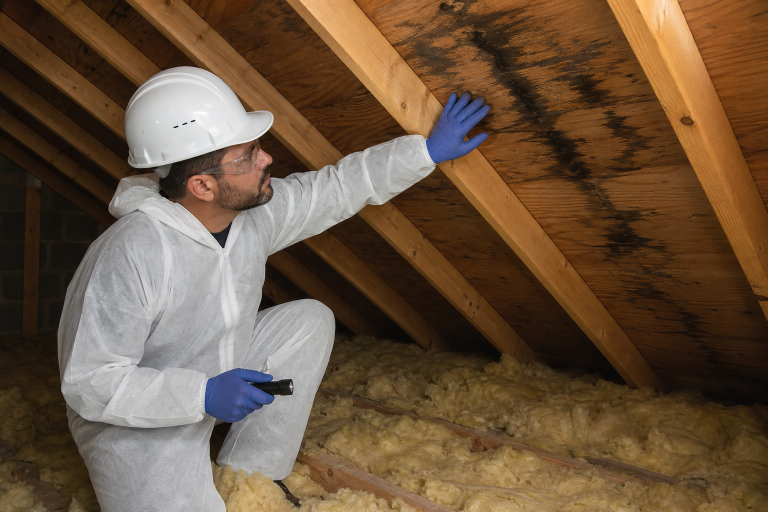
Dark marks on roof decking, framing, vents, or insulation can signal a roof leak, condensation, or moisture-laden air reaching a cooler surface. Wet insulation can settle and lose much of its ability to slow heat flow. Before replacement materials are installed, the water source should be identified and corrected so the new insulation is not exposed to the same conditions.
Disturbed or Compressed Insulation
Flattened sections, tunnels, nests, scattered fibers, and missing insulation often point to pests or frequent foot traffic. Dirty insulation may also reveal air movement through gaps in the ceiling plane. Avoid touching droppings, nesting material, or unknown debris without proper precautions, especially in tight attics with limited footing and concealed wiring.
Uneven Temperatures and Higher Cooling Use
Rooms that feel persistently hot, humid, or difficult to cool may have an attic-related issue, but insulation is not always the only cause. Leaky ducts, disconnected returns, unsealed ceiling openings, and blocked ventilation paths can contribute. The U.S. Department of Energy explains that air sealing and insulation work together to improve comfort, reduce unwanted heat transfer, and support a more durable building enclosure.
What a Proper Inspection Should Cover
A thorough inspection documents the attic’s condition before materials are moved. It should evaluate roof leaks and moisture marks, damaged wood or decking, pest entry points near roof edges and soffits, insulation depth and coverage, ductwork, electrical concerns, ventilation pathways, and any signs of persistent dampness. The inspection should also determine whether an issue is active or leftover damage from an earlier event.
Cleaning, Repair, and Replacement in the Right Order
- Inspect and document the attic. Photos help establish the starting condition and reveal hidden areas that need repair.
- Stop active causes first. Address roof leaks, pest entry points, duct damage, and exhaust problems before restoration begins.
- Remove damaged or contaminated materials. Wet, heavily soiled, matted, or pest-affected insulation may need controlled removal and disposal.
- Clean exposed surfaces. Debris, dust, nesting material, and residue should be removed without spreading contamination into living areas.
- Correct air-sealing and ventilation concerns. Seal unintended openings while preserving roof airflow where the attic design requires it.
- Repair components before covering them. Damaged wiring, framing, ducts, or roof elements should not be hidden under fresh insulation.
- Install suitable insulation. Material and coverage should fit the home’s design, attic configuration, and the needs of a hot, humid climate.
- Perform a final review. The attic should be dry, clean, safely accessible, and free of obvious openings or unresolved damage.
Why Moisture Control Comes Before New Insulation
South Florida attics are exposed to intense solar heat, summer downpours, tropical weather, and high outdoor humidity. Moisture may come from a roof leak, a poorly vented bath fan, condensation on cold ductwork, or humid indoor air escaping through gaps in the ceiling. Adding insulation over the problem can conceal evidence while leaving wood, ducts, and new insulation at risk.
Air sealing is not the same as blocking ventilation. In a vented attic, gaps between the living space and the attic should be addressed, while designed soffit, ridge, or other roof ventilation pathways must remain open when they are part of the roof system. Common leakage areas include top plates, plumbing penetrations, recessed fixtures, attic hatches, and dropped soffits. ENERGY STAR recommends focusing first on the larger attic air leaks, which can have an outsized effect on comfort and energy use.
When to Avoid a DIY Cleanup
Professional help is especially important when there are substantial droppings, strong odors, wet or heavily disturbed insulation, visible mold-like growth, damaged electrical wiring, unsafe footing, or unknown insulation such as vermiculite. Sweeping or disturbing contaminated materials can spread particles, and untrained work near wiring, ductwork, or roof framing can create additional hazards.
Questions to Ask Before Work Begins
- What caused the attic problem, and is that cause still active?
- Which materials need to be removed, and which can safely remain?
- How will the work area be contained, and how will debris be disposed of?
- Will moisture sources, roof issues, pest openings, and duct problems be corrected before insulation is added?
- What insulation material and coverage are planned?
- Will the project include before-and-after photos and a final inspection?
Simple Maintenance After Restoration
Check the attic twice each year when conditions are safe, and inspect after severe storms. Watch for fresh stains, new odors, animal activity, displaced insulation, and blocked vent openings. Keep stored items away from insulation, wiring, and airflow pathways. Prompt attention to small changes can help South Florida homeowners avoid turning a minor attic concern into another major restoration project.