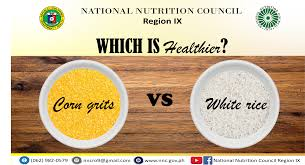
Grits have long been a staple in Southern cuisine, but many wonder if they are good for you, especially when aiming for weight loss. The short answer is that grits can be part of a balanced diet, but their healthiness depends on preparation methods, portion sizes, and individual nutritional needs. Understanding the nuances around grits and weight management calls for a closer look at their nutritional profile, common concerns, and how to evaluate them against other foods.
What Are Grits and How Are They Made?
Grits are coarsely ground corn, usually made from hominy (corn treated with an alkali). They are typically boiled into a porridge-like consistency and served as a side dish or breakfast item. Because they are made from corn, grits provide carbohydrates that serve as an energy source. However, their nutritional composition can vary depending on whether they are made from white or yellow corn and if they are enriched or stone-ground.
Are Grits Good for You? Nutritional Considerations
Grits contain primarily carbohydrates with modest amounts of protein and very little fat. They are low in fiber compared to whole grains unless made from whole corn. Enriched grits may have added iron and some B vitamins but lack the full nutrient spectrum found in whole grains. Their glycemic index can be relatively high, meaning they may cause blood sugar spikes if consumed in large amounts or without fiber or protein to moderate absorption.
Because weight loss often requires managing calorie intake and blood sugar levels, these factors are important. Portion control and pairing grits with nutrient-dense foods like vegetables and lean proteins can help create a more balanced meal.
Common Risks and Misconceptions
One risk when eating grits is the added ingredients often used in preparation, such as butter, cream, cheese, or sugar. These additions can significantly increase calorie and fat content, potentially undermining weight loss goals.
Another misconception is that all grits are the same nutritionally. Instant grits, for example, are often more processed and may contain preservatives or sodium. Stone-ground grits retain more fiber and nutrients but take longer to cook.
Evaluating Grits Within a Weight Loss Diet: Practical Criteria
To decide if grits fit your weight loss plan, consider the following:
1. Nutrient Density: Prefer whole or stone-ground grits with minimal processing.
2. Portion Size: Stick to moderate servings, usually about half a cup cooked.
3. Preparation: Avoid heavy toppings and instead add vegetables, herbs, or a lean protein.
4. Glycemic Impact: Combine with fiber and protein to reduce blood sugar spikes.
5. Overall Diet Balance: Ensure grits fit within your daily calorie and macronutrient goals.
Comparing grits with other carbohydrate sources like oatmeal, quinoa, or brown rice can help identify options that offer more fiber and nutrients per serving.
Where to Find a Detailed Breakdown
For those interested in a deeper comparison of grits versus other foods in the context of healthy weight loss, the full FormBlends comparison offers a thorough analysis that considers macronutrients, micronutrients, and practical meal ideas.
Frequently Asked Questions
Are all grits the same nutritionally?
No. Nutritional content varies between instant, enriched, stone-ground, and whole corn grits. Stone-ground and whole corn varieties typically retain more fiber and nutrients.
Can grits cause weight gain?
Grits themselves are not inherently fattening, but consuming large portions or adding high-calorie toppings can contribute to excess calorie intake, which may lead to weight gain.
Are grits gluten-free?
Yes, grits are naturally gluten-free since they are made from corn. However, cross-contamination can occur in processing facilities, so checking packaging labels is advisable for those with gluten sensitivities.
Final Note
This article is intended for informational purposes only and should not replace personalized advice from qualified health professionals. Individual nutritional needs and responses to foods like grits can vary.
What to verify before acting
Before a reader relies on any comparison about are grits healthy for weight loss, the safest move is to confirm the basics directly. Check when the page was last updated, whether the criteria are explained clearly, and whether the recommendation separates facts from marketing claims. It also helps to compare total cost, access requirements, support, refund language, and any limits that could change the real-world value of an option.
The goal is not to find a perfect answer from one article. The goal is to narrow the search to a short list, understand the tradeoffs, and know which questions to ask next. That approach is slower than clicking the first result, but it usually produces a better decision and reduces the chance of being pulled in by a page that ranks well without explaining enough.