Table of Contents
- Age of Your Roof
- Shingle Damage
- Granule Loss
- Leaks and Water Damage
- Sagging Roof
- Moss and Algae Growth
- Damaged Flashing
- Increased Energy Bills
- Conclusion
Your roof plays a critical role in protecting your home from the elements, ensuring that your family stays safe, dry, and comfortable. Over time, exposure to wind, rain, sun, and other harsh conditions can weaken your roof. Homeowners need to be proactive in recognizing when maintenance is no longer enough, and a roof replacement becomes necessary.
Delaying a necessary roof replacement can lead to extensive damage, higher costs, and even pose risks to your home’s interior and structural integrity. Taking the time to learn about the warning signs can help you protect one of your most important investments and maintain your home’s value over the long term.
Certain roof issues may not be immediately visible from the ground, making regular inspections and a good understanding of common symptoms all the more important. In this article, we will cover the most significant signs that suggest your roof could need replacing soon, helping you make informed decisions about maintenance and upgrades.
Addressing roof concerns early on can also prevent more expensive problems in the future, such as widespread rot or leaks. For minor issues, timely roof repair might suffice, but persistent or severe signs point to a more comprehensive solution like replacement.
Age of Your Roof
The age of your roof is a primary factor in determining when replacement is needed. Most asphalt shingle roofs typically last between 20 and 25 years, while other materials like metal or tile can last longer if properly maintained. If your roof is approaching or exceeding its expected lifespan, it is wise to start planning for a new installation. Regular roof inspections, especially as the roof ages, can help identify small issues before they develop into larger problems. Roof inspection tips from reputable resources can guide homeowners through what to look for.
Shingle Damage
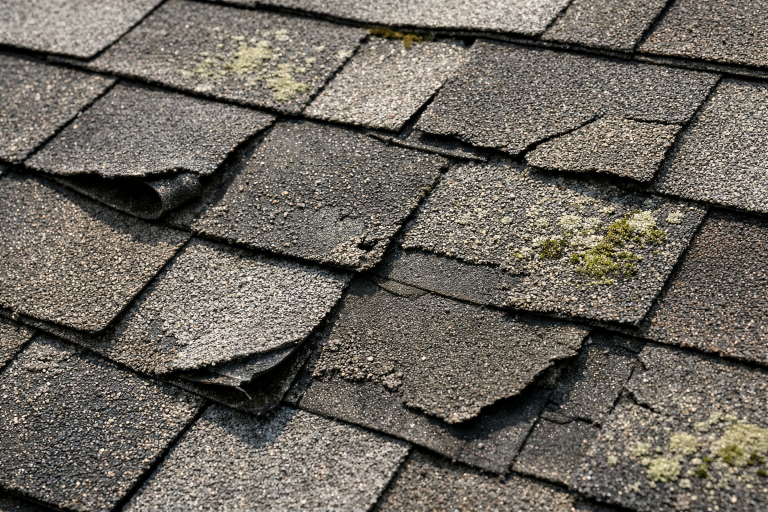
Shingle damage is another clear indicator. Shingles that are curling, cracking, buckling, or missing patches are no longer performing their protective function. Damage often results from years of exposure to sun, wind, and fluctuating temperatures. Damaged or missing shingles leave the underlying layers exposed to moisture, which can quickly lead to leaks and water staining inside the home.
Granule Loss
Granules are an important part of asphalt shingles; they help shield shingles from ultraviolet rays and add fire resistance. If you notice excessive granule accumulation in your gutters or downspouts, it is a sign that the shingles are deteriorating. As granules are lost, the shingles age much more quickly and can become brittle, putting your home at greater risk for leaks and sun damage. The National Roofing Contractors Association explains why routine maintenance by certified roofers is vital to catch this problem early.
Leaks and Water Damage
Water stains on your ceiling, moist or soft spots in your attic, or any active drips are critical red flags. Even a small leak can lead to the growth of mold and mildew and undermine the structure of your home by allowing water into places it should never be. Water damage frequently appears first around roof penetrations such as chimneys, skylights, and vents. Swift attention to these signs is essential to protecting your property and preventing more severe restoration needs in the future.
Sagging Roof
A sagging roof is one of the most serious indicators, suggesting significant structural compromise. This symptom typically results from prolonged exposure to trapped moisture, an aging roof deck, or damage beneath the surface. A roof that sags in the middle or along the ridges requires immediate inspection by a professional, as it could be a sign of impending failure. Structural issues should not be ignored, and prompt action can prevent a more dangerous collapse or extensive internal damage.
Moss and Algae Growth
Moss, algae, or lichens growing on your roof may seem like harmless greenery, but they actually hold moisture against the roofing material, accelerating wear and leading to rot or decay. These organisms thrive in shaded, moist conditions, so properties with lots of tree cover are often more susceptible. Routine cleaning and ensuring proper attic ventilation are effective strategies to discourage this growth and extend the life of your roof.
Damaged Flashing
Flashing is designed to seal the edges where the roof meets vertical surfaces such as chimneys, skylights, or vents. If the flashing becomes rusted, cracked, or dislodged, it can allow water to seep into crevices, undermining the watertight integrity of your roofing system. Damaged flashing should be promptly replaced or repaired to prevent costly leaks and maintain a strong barrier against the elements.
Increased Energy Bills
Unexpected increases in your heating or cooling costs can be traced back to roofing problems. When roofing materials degrade, air can escape through small gaps or deteriorated insulation, making it more difficult to regulate indoor temperature. This can force your HVAC system to work harder, driving up energy bills. Upgrading to a new, energy-efficient roof can provide substantial savings in the long run and improve your home’s comfort and sustainability.
Conclusion
By staying alert to the signs of roof aging and damage, you can make timely, informed decisions about roof replacement or repair. Early intervention not only preserves the structure and safety of your home but also helps you avoid emergency repairs and unexpected expenses. Remember that consulting reputable sources and industry professionals is the best way to ensure your roofing needs are addressed with accuracy and expertise. Regular maintenance, inspections, and promptly acting on warning signs are key steps in extending the life of your roof and protecting your investment.