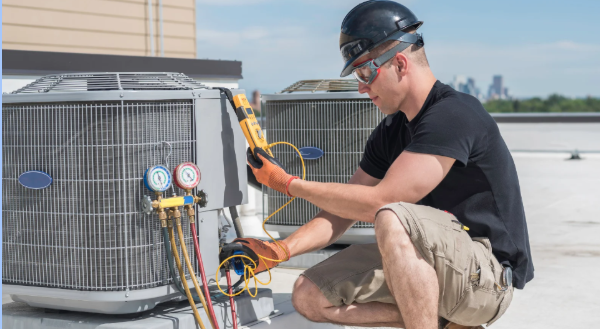
Maintaining a comfortable indoor environment requires more than just basic repairs when a system fails to operate. Modern homeowners are increasingly turning toward advanced diagnostics to ensure their systems remain efficient and reliable throughout the changing seasons. By prioritizing professional oversight for HVAC in Chattanooga, property owners can avoid the stress of sudden breakdowns while maximizing the lifespan of their essential heating and cooling equipment. Expert technicians utilize specialized tools to monitor system performance and identify potential failures before they disrupt your daily routine.
The Evolution of Precision Diagnostics
Modern climate control technology has advanced significantly, moving away from simple mechanical checks toward sophisticated electronic evaluations. These diagnostic tools allow technicians to identify microscopic issues within the electrical components or refrigerant lines before they escalate into expensive failures. A data-driven approach measures performance metrics against manufacturer specifications to ensure every component functions at its peak capacity. This level of precision reduces energy consumption and provides consistent airflow throughout the entire building structure without the uncertainty of guesswork.
Professional diagnostic services involve a comprehensive analysis of the system sensors and control boards. Technicians use specialized equipment to monitor pressure levels and thermal output, providing a clear picture of the overall health of the unit. This proactive strategy allows for the early detection of wear on motors and compressors, which are often the most costly parts to fix. By addressing these minor adjustments early, the system operates with less strain, which directly correlates to lower monthly utility costs and a more sustainable home environment.
Identifying System Longevity and Performance
A critical aspect of preventive care is recognizing when a unit is no longer performing optimally despite regular maintenance efforts. There are specific signs to know when to replace your HVAC system that professionals look for during a diagnostic visit, such as frequent cycling or inconsistent humidity levels. While minor issues can often be corrected with a precise tune-up, a diagnostic report might reveal that the internal components have reached a point of diminished returns. Relying on professional expertise helps homeowners make informed decisions about whether to continue with repairs or invest in a more modern, high-efficiency alternative.
The diagnostic process also focuses heavily on indoor air quality, which is a major concern for many modern households. Dust accumulation within the internal housing or moisture buildup near the coils can lead to significant health risks if left unaddressed. Professionals utilize specialized cameras and moisture meters to inspect areas that are typically inaccessible to the average person. This ensures that the air circulating through the vents is clean and free from contaminants, supporting a healthier living space for everyone inside the property.
Enhancing Efficiency Through Advanced Calibration
Efficiency is the cornerstone of modern mechanical services, and calibration is the tool used to achieve it. During a standard diagnostic check, a technician will verify that the thermostat is communicating correctly with the furnace or air conditioner. This step is vital because even a slight discrepancy in temperature readings can cause the system to work harder than necessary.
Beyond the electrical aspects, the physical integrity of the ductwork is often evaluated during a professional diagnostic session. Leaks or blockages in the distribution system can negate the benefits of a high-performance unit by losing treated air into unconditioned spaces. By using pressure testing and thermal imaging, experts can pinpoint exactly where energy loss is occurring. This holistic view of the system ensures that the comfort produced by the unit actually reaches the intended rooms, resulting in a balanced and pleasant indoor climate regardless of the temperature outside.
Conclusion
The shift toward preventive diagnostics represents a significant advancement in how we care for our home comfort systems. By choosing professional monitoring over reactive repairs, homeowners can enjoy a seamless experience characterized by reliability and efficiency. Investing in these expert services not only protects the mechanical integrity of the unit but also provides peace of mind that the home will remain a sanctuary of comfort through every season of the year. Consistent professional oversight remains the most effective way to ensure long-term performance and safety for any modern property.