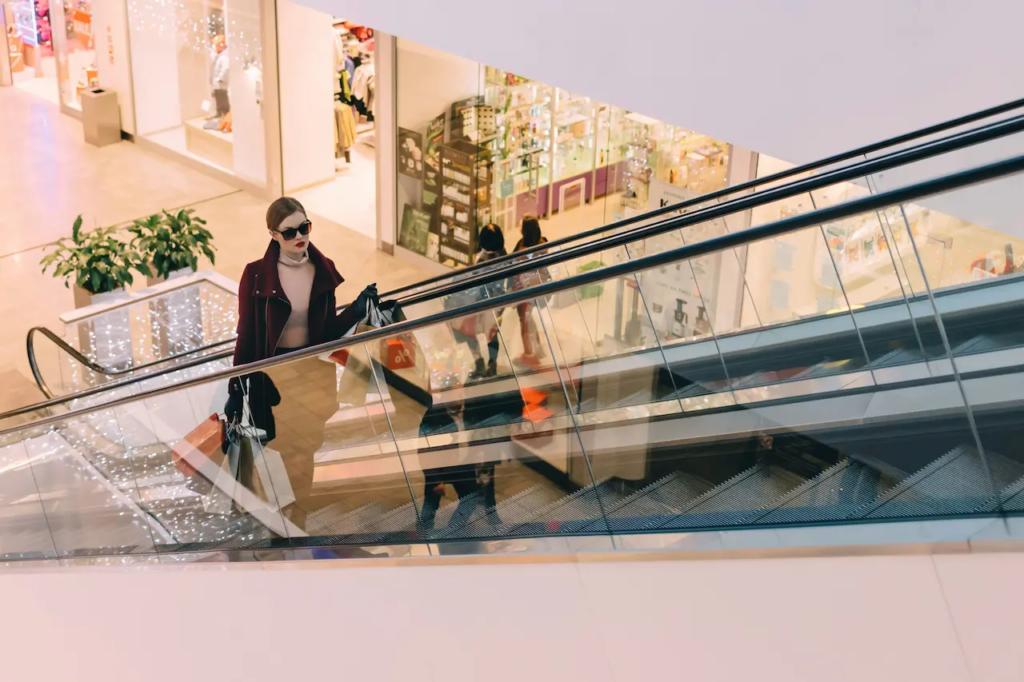
In an age dominated by digital advertising, physical displays continue to play a powerful role in drawing people into brick-and-mortar locations. From vibrant storefront visuals to interactive in-store elements, tangible displays influence how customers notice, perceive, and remember a brand. When executed strategically, they turn casual passersby into curious visitors and curious visitors into paying customers. This article explores how businesses across industries use physical displays to boost foot traffic, build brand presence, and create memorable experiences that digital channels alone cannot replicate.
The Psychology Behind Physical Displays
Physical displays work because they appeal to human senses and instincts. People are naturally drawn to color, motion, contrast, and novelty. A well-designed display captures attention within seconds and communicates value without requiring effort from the viewer. Unlike online ads that compete with endless scrolling, physical displays exist in the real world where attention is more focused and contextual. When someone is already near a store, the display acts as a timely nudge to step inside.
Visual cues also trigger emotional responses. Warm lighting can suggest comfort, bold graphics can signal excitement, and minimal layouts can communicate sophistication. These subtle signals help customers decide whether a space feels welcoming or relevant to them.
Storefront Displays as Silent Salespeople
The storefront is often the first and most influential touchpoint. Window displays, exterior signage, and sidewalk visuals act as silent salespeople that work around the clock. Retailers use seasonal themes, product groupings, and lifestyle imagery to tell a story at a glance.
Effective storefront displays focus on clarity rather than clutter. One strong message or hero product tends to perform better than many competing elements. Strategic placement of sign stands near entrances can highlight promotions or new arrivals and guide the eye naturally toward the door. When the message is clear and visually appealing, people are more likely to pause, read, and enter.
Using Location-Based Relevance
Businesses that tailor displays to their immediate environment see stronger results. A cafe near a train station might highlight grab-and-go options during morning hours, while the same space promotes relaxed seating in the afternoon. A clothing store in a tourist area may feature local weather-friendly outfits or travel essentials.
This location-based relevance makes displays feel timely and useful rather than generic. Customers feel understood, which lowers the barrier to entry. Even small adjustments like changing messaging by time of day can significantly influence foot traffic patterns.
Interactive Elements That Invite Participation
Static displays attract attention, but interactive displays invite action. Research has proven that businesses that prioritize engagement tend to see far better customer numbers than those that don’t. Touch screens, product testers, sample stations, and QR codes encourage people to stop and engage. This moment of interaction increases dwell time and makes entry into the store feel natural rather than forced.
For example, a beauty brand offering a quick skin analysis at the entrance creates immediate value. A tech retailer allowing hands-on demos builds confidence before purchase. These interactive moments turn curiosity into commitment and make the physical space feel dynamic and customer-focused.
Consistency Between Brand and Environment
Physical displays are most effective when they align with the brand’s overall identity. Fonts, colors, materials, and tone should match what customers see online and in advertising. Consistency builds trust and recognition, which are critical for encouraging walk-ins.
A mismatch between display and in-store experience can backfire. If the display promises premium quality but the interior feels disorganized, customers may leave quickly. Businesses that design displays as an extension of their brand story create a seamless journey from sidewalk to checkout.
Seasonal and Event Driven Displays
Limited-time displays create urgency. Seasonal promotions, holiday themes, and event-based setups give people a reason to visit now rather than later. These displays also signal freshness and activity, showing that the business is engaged and evolving.
Pop-up style installations are especially effective for foot traffic. They add novelty and encourage social sharing, which amplifies reach beyond the immediate location. Even simple changes like rotating visuals monthly can make a store feel new to repeat passersby.
Measuring Impact and Optimizing Displays
Successful businesses treat physical displays as a measurable marketing tool rather than decoration. Foot traffic counters, sales data, and observation help determine which displays perform best. Staff feedback is also valuable since employees often notice how customers respond in real time.
By testing different messages, layouts, and placements, businesses can continuously improve results. Small adjustments, such as changing height, lighting, or wording, can lead to noticeable increases in entry rates.
Why Physical Displays Still Matter
Despite the growth of e-commerce, physical locations remain essential for discovery, experience, and trust. Physical displays bridge the gap between awareness and action. They work with human behavior rather than against it, offering immediate relevance in a real-world context.
When thoughtfully designed and strategically placed, physical displays do more than decorate a space. They communicate value, spark curiosity, and invite people inside. For businesses looking to increase foot traffic, investing in purposeful physical displays is not optional. It is a competitive advantage.