Key Takeaways
- A home’s warmth comes from thoughtful lighting, natural elements, and sensory details.
- Personal touches and meaningful objects create emotional connection and identity.
- Texture, layering, and functional comfort enhance both style and daily life.
- Clear flow and uncluttered spaces support ease, relaxation, and usability.
- Engaging senses like scent and sound deepens the feeling of sanctuary and belonging.
Introduction
There’s a distinct magic in stepping through the doorway and instantly knowing you’re home. While square footage, paint color, and furnishing all play a role, it’s the unassuming, intimate touches that elevate a house from a space to a sanctuary. These subtle details—often sensed more than seen—infuse everyday living with comfort and emotional resonance. Understanding how these elements work is key for homeowners and those searching for their next home, especially when working with a knowledgeable local expert such as Wappingers Falls, NY real estate agent Carol Mahoney.
Whether you’re welcoming guests, planning a move, or simply seeking a bit more warmth in your surroundings, focusing on the overlooked nuances can profoundly transform the spirit and experience of your living spaces. The careful interweaving of lighting, natural elements, personal mementos, and functional comfort can foster a sense of belonging—transforming an ordinary house into a cherished home.
Lighting That Sets the Mood
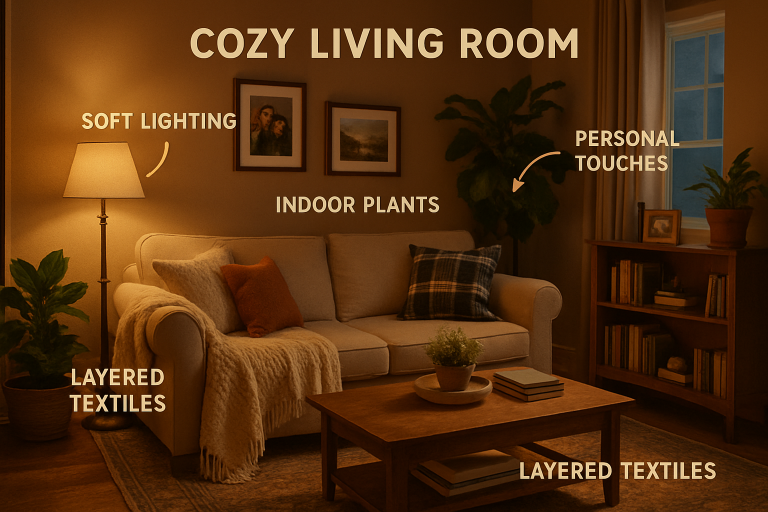
Lighting isn’t just practical; it’s central to the mood and atmosphere of any home. Soft, layered lighting options, such as accent lamps, pendant lights, and dimmable bulbs, allow for a customizable ambiance at any time of day. Bright overheads may be useful for tasks, but it’s the gentle glow of a reading lamp or the golden shimmer of sunset through sheer curtains that soothes the senses.
Strategically placed fixtures draw attention to art, cozy corners, and architectural features, offering ever-changing environments as the sun or your mood shifts. Warm-toned bulbs foster a sense of intimacy and relaxation, helping rooms feel more inviting and restful.
Incorporating Natural Elements
Introducing nature indoors is a powerful way to foster both beauty and well-being in any home. A scattering of leafy indoor plants can purify the air and bring a vibrant, earthy feel to any room. Materials like natural wood, cotton, linen, or stone lend authenticity and tactile warmth, which balances modern materials and makes rooms feel less sterile. Even a simple bouquet or a bowl of fruit on the kitchen table can enliven a space and create a grounding connection to the natural world.
Nature’s colors and textures—woven rugs, wicker baskets, exposed brick—remind us of landscapes and outdoor memories, echoing the restorative benefits of time spent outside. Scientific research highlights the calming effect of nature-inspired interiors, finding that these spaces can lower stress levels and boost mood. Crafting a home that welcomes nature ensures it remains a calming refuge, no matter the weather or season.
Personal Touches and Storytelling
Your home tells your unique story through carefully chosen (or serendipitously discovered) objects. Personal elements breathe life into interiors, such as cherished family photos, children’s artwork, inherited furniture, or travel keepsakes. These items evoke adventure, tradition, and love, filling rooms with memories and a profound sense of identity.
Eschewing sanitized, cookie-cutter decor for more meaningful mementos invites guests (and yourself) to relax and connect. Worn throws, dog-eared books, and hand-knit blankets are not just accessories—they are reminders of the people, places, and experiences that shape the soul of your home.
Texture and Layering
Touch is an often-overlooked sense in interior design, but it’s vital to crafting a comforting atmosphere. Varied textures—soft wool rugs, plush pillows, smooth glass, rough-hewn beams—create visual and sensory interest. Layering modern designs over vintage finds, or mixing natural and industrial elements, gives rooms a lived-in, evolving character.
Layering is as much about practicality as it is about style. Throws and blankets add warmth during cold seasons and relaxed elegance year-round. Thoughtfully combined, these details invite people to settle in and linger longer, reminding everyone that comfort and beauty can exist together.
The Importance of Flow
A harmonious home feels easy to navigate, with a logical flow from one space to another. Creating clear walkways, grouping furniture into conversation zones, and considering how rooms transition improve both comfort and usability. Minimize unnecessary clutter; sometimes, what you leave out is as important as what you include.
Spaces that “breathe” allow for better relaxation and connection, ensuring a gentle rhythm throughout the day. Effective flow goes beyond function; it supports a sense of sanctuary, safety, and peace.
Functional Comfort
True comfort lies beneath the surface. Subtle upgrades—like heated bathroom rails, well-placed light switches, or robust plumbing—streamline routines and enhance every experience. These elements may not be the focal point of your decor, but they make daily life easier and more pleasant.
Reliable, well-maintained home systems offer peace of mind and reduce stress, providing a reassuring backdrop for joyful, everyday moments.
Scents and Sounds
Our strongest associations with “home” are often sensory—especially scent and sound. The aroma of baking bread, brewing coffee, or blooming flowers stirs memory and grounds us in the present. Similarly, soundscapes can define the spirit of a space, from the laughter of loved ones to the soft playlist in the background, or the soothing splash of a small indoor fountain.
Subtle and consistent, these cues foster a sense of comfort and create cherished rituals. Designing a home to engage these senses shapes uplifting routines and bonds us to place and time.
Final Thoughts
The transformation of a house into a home is a gently orchestrated symphony of the senses—warm light, natural elements, tactile surfaces, personal treasures, and the careful choreography of flow and function. By focusing on the small but powerful details, you nurture atmosphere, comfort, and a sense of belonging—building not just a beautiful space, but a truly welcoming sanctuary.