
Table of Contents
- Understanding Personalized Weight Loss
- Benefits of Tailored Programs
- Key Components of Personalized Plans
- Role of Medical Professionals
- Technology in Personalized Weight Loss
- Choosing the Right Program
- Final Thoughts
Embarking on a weight loss journey can feel overwhelming, especially when faced with the abundance of generic plans and one-size-fits-all solutions. However, by exploring Garcia Weight Loss and other personalized programs, individuals gain access to tailored strategies that take into account their unique preferences, challenges, and health needs. These customized approaches are designed to fit individual lifestyles, thereby improving adherence and long-term success in managing weight.
The power of a personalized plan lies in its holistic view, addressing not only diet and exercise but also motivation, medical history, and the psychological aspects that can make or break a healthy routine. Instead of asking you to fit your life around a rigid weight loss plan, these programs shape the plan around your real-life habits. This kind of support can be especially important as research published by the Centers for Disease Control and Prevention (CDC) shows that maintaining a healthy weight requires sustained effort and strategies that work with, not against, your everyday needs.
Understanding Personalized Weight Loss
Personalized weight-loss programs focus on the individual by factoring in a variety of influences often overlooked by standard diet plans. This approach involves evaluating metabolic rate, genetic factors, current health status, and psychological readiness. Individual preferences for food, exercise options, and even cultural influences are taken into account, ensuring that the program feels natural and attainable.
While standard diets may help some people in the short term, studies suggest that approaches that ignore personal factors often result in weight regain. According to Harvard Health Publishing, weight-loss plans that align with a person’s tastes, lifestyle, and health conditions are more sustainable and lead to better long-term outcomes.
Benefits of Tailored Programs
- Increased Effectiveness: Plans designed around individual needs boost compliance and help produce more noticeable, lasting results.
- Improved Motivation: Programs that honor personal goals and offer flexibility support motivation and engagement over time.
- Long-Term Sustainability: Weight loss becomes more manageable since the strategies integrate naturally into daily routines, making it easier to sustain results.
Key Components of Personalized Plans
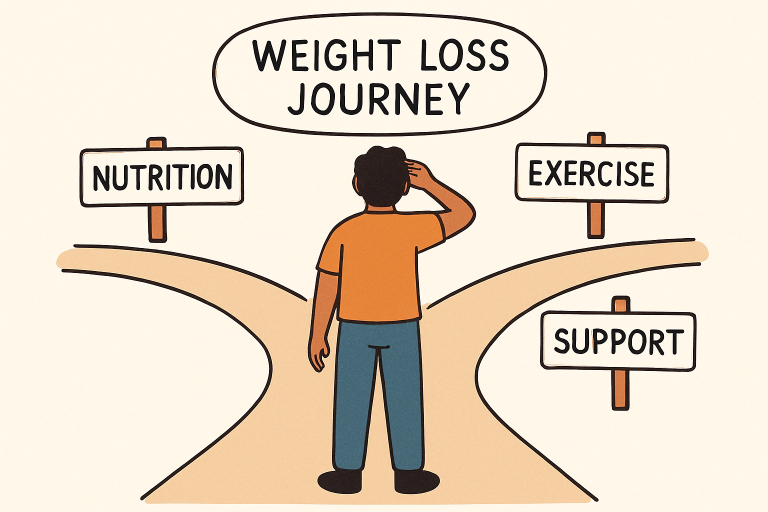
Successful personalized weight loss programs blend several critical aspects to create a supportive and adaptable path to wellness:
- Comprehensive Assessment: An in-depth evaluation that covers medical background, lifestyle habits, nutrition patterns, and exercise routines.
- Customized Nutrition Plans: Meal plans are tailored to fit individual food preferences, cultural needs, and nutritional requirements.
- Exercise Regimens: Activities are selected to suit your physical abilities, schedule, and fitness goals, encouraging consistent physical activity.
- Behavioral Support: Regular counseling or coaching helps to address emotional triggers and promote positive behavioral change, which is crucial for long-term weight management.
Role of Medical Professionals
Medical experts are integral to the personalized weight loss process. Before initiating any program, healthcare providers conduct thorough assessments to screen for underlying health conditions that may affect weight loss or require specialized care. They are also responsible for prescribing appropriate medications, if needed, and for overseeing the safety and progress of the plan. Continuous monitoring allows for timely adjustments to maximize results and minimize health risks.
Technology in Personalized Weight Loss
Recent technological advancements have changed the landscape of weight management. For example, the Mayo Clinic Diet has introduced innovative digital tools, such as a Daily Diet Score, which offers users a 100-point scoring system to help them monitor their daily adherence to healthy habits. These advancements enable real-time feedback, allow for ongoing adjustments, and make it easier for users to remain accountable and motivated throughout their journey. Modern apps and wearables now provide users with data-driven recommendations, progress tracking, and even access to online support communities.
Choosing the Right Program
With so many options available, it is vital to choose a program that sets you up for long-term success. Start by confirming the program’s credentials and making sure it is designed or supervised by qualified health professionals. Opt for comprehensive programs that take a holistic approach, covering nutrition, exercise, ongoing monitoring, and behavioral support. Finally, ensure that any program you select can be personalized and adjusted according to your preferences and lifestyle as your needs evolve.
Final Thoughts
Investing in a personalized weight-loss program lets you create a strategy that genuinely aligns with your goals, health needs, and day-to-day life. By combining expert input, ongoing support, and the latest technology, these programs give individuals the best possible chance at sustainable, healthy weight management. The journey may require time and effort, but with the right tailored approach, long-term success is well within reach.