Key Takeaways
- Facility-specific storage solutions maximize available space and workflow efficiency.
- Leveraging new storage-related technologies reduces errors and speeds up processes.
- Consistent maintenance and inspections are essential for performance and safety.
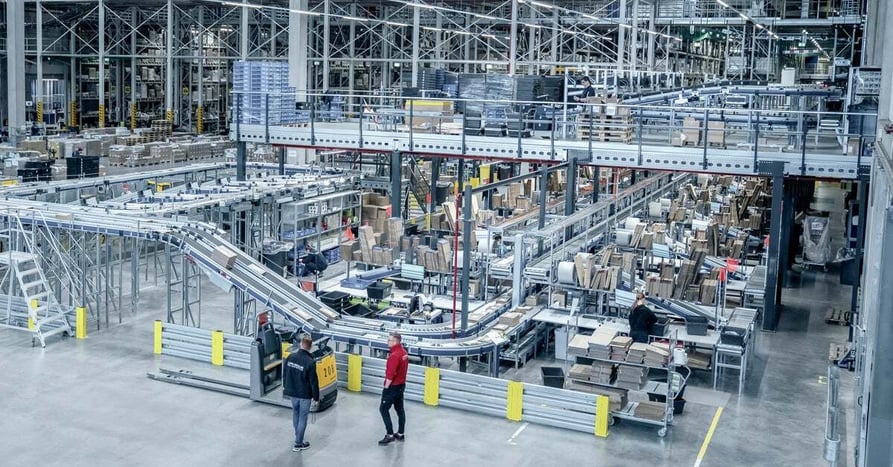
In today’s fast-moving industrial landscape, efficient material storage makes a substantial difference in both workflow and safety standards. Selecting the best racks for warehouse ensures optimal organization while supporting personnel safety. Modern facilities face continual pressure to maintain productivity and innovation. Streamlined storage solutions are foundational to supporting these goals, helping facilities make the most of limited space, minimize safety incidents, and reduce operational costs over time.
Understanding Material Storage Needs
Optimizing a storage solution begins with thoroughly assessing what the facility stores and how materials flow in and out. Considerations such as the shape and weight of goods, frequency of retrieval, and security requirements all factor into the choice of storage systems. For example, a distribution center handling irregularly shaped items will have different needs compared to a facility that stores large quantities of uniform products. Understanding these operational variables helps in designing systems that reduce delays and streamline picking or restocking tasks. Mapping workflows and material-handling patterns ensures the chosen solution actually addresses sources of inefficiency or congestion.
Customized Racking Systems
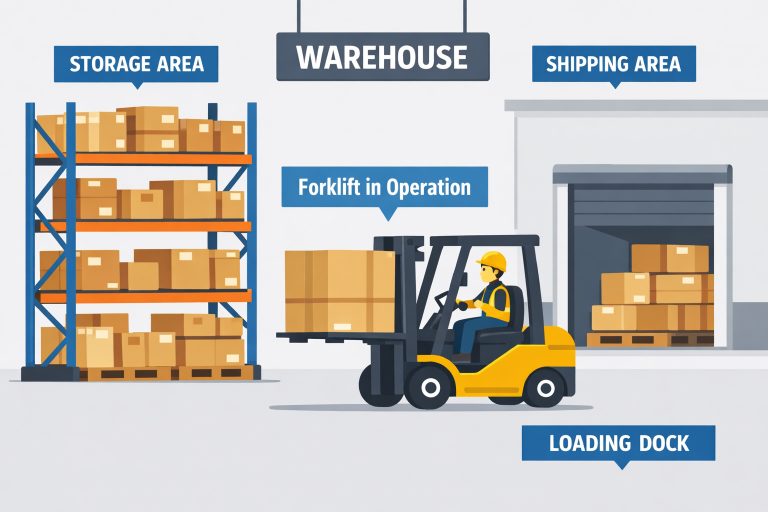
Standard storage setups may not always fit a facility’s unique conditions. Customized racking systems are designed to accommodate diverse product dimensions, specialized storage methods, and optimal pathway layouts. For instance, selective and cantilever racks are excellent for bulky or oddly shaped merchandise, while push-back or drive-in racks maximize density for high-volume inventory. Customization not only manages spatial constraints but also reinforces safety. Proper racking layouts minimize the risk of falling goods and support safe access for staff and equipment. This is critical, as improper storage increases the likelihood of workplace accidents and property damage. An effective custom system transforms how a business can manage space and streamlines daily storage activities.
Integration of Advanced Technologies
Today’s state-of-the-art storage solutions increasingly include automation and intelligent technology. Automated storage and retrieval systems (AS/RS) powered by robotics have revolutionized how warehouses and distribution centers manage their inventory. These systems reduce human error, speed up retrieval, and help organizations monitor stock levels in real time. Automation in storage solutions also leads to a consistent reduction in labor costs and operational bottlenecks.
Artificial intelligence and smart analytics are playing an increasingly important role, too. AI can evaluate storage layouts for optimization, flag potential inefficiencies, and predict when maintenance should be scheduled. These technologies boost efficiency and also allow companies to adapt storage systems as their requirements shift over time.
Safety and Compliance Considerations
Safe material storage goes beyond convenience, as it is a regulatory requirement. Facilities must meet standards such as those set forth by OSHA. Enhancements like wire decking in pallet racks improve visibility, distribute weight safely across shelves, and enable sprinkler systems to operate more effectively in a fire. Frequent safety audits and strict compliance protocols are essential in minimizing workplace accidents and liability risk. Safety in storage is about focusing on the details, ensuring all racks are properly loaded, avoiding blockages of emergency exits, and providing clear signage throughout the storage area. Regular staff training is equally important to ensure everyone on the floor understands how to use storage systems safely.
Space Optimization Strategies
Maximizing available storage space is a core challenge, particularly as facilities grow or needs change. Utilizing vertical space, whether through multi-level racks or mezzanines, unlocks new capacity without increasing the building’s footprint. For facilities with variable storage needs, mobile shelving systems offer easy reconfiguration and adaptability, freeing up valuable square footage and making room for changing inventory patterns. Utilizing data analytics and inventory management software, like those discussed in IndustryWeek, helps facilities identify underutilized areas and implement precision organization strategies. Facilities that regularly analyze and re-think their space can achieve impressive improvements in capacity and overall circulation.
Maintenance and Longevity of Storage Systems
Well-maintained storage systems are critical for long-term reliability and safety. Establishing a routine inspection schedule enables facilities to detect potential issues, such as rust, faulty connections, or overloaded shelves, before they cause larger problems. Training staff on proper loading, unloading, and operating procedures also extends equipment life and minimizes avoidable damage. Proactive repair strategies, whether replacing damaged parts or upgrading outdated systems, save money in the long run by preventing unexpected failures and operational disruptions. Keeping detailed records of inspections and maintenance actions also helps facilities stay compliant with safety protocols.
Conclusion
Material storage optimization in modern facilities requires a mix of thoughtful planning, advanced technology, and ongoing maintenance. Facilities that invest in tailored storage solutions, embrace new technologies, and commit to regular maintenance position themselves to achieve maximum productivity, safety, and space efficiency. These best practices ensure operations remain competitive and resilient in a rapidly evolving commercial environment.