
Key Takeaways
- Lifelong learning is essential for staying competitive in a rapidly changing job market.
- Identifying and leveraging transferable skills provides a foundation for career pivots and growth.
- Choose diverse learning pathways, online courses, certifications, workshops, and mentorship to build a well-rounded skill set.
- Practical application, such as projects, volunteering, or stretch assignments, solidifies new skills.
- Networking and monitoring industry trends enhances adaptability, opportunity, and professional visibility.
- Combining continual learning, hands-on experience, and strong connections positions you for long-term career success.
Introduction
In today’s rapidly shifting job landscape, acquiring new skills is not just advantageous but essential. Professionals at all career stages are discovering that success often hinges on their adaptability and willingness to learn. Whether you’re aiming to switch industries, move up the career ladder, or safeguard your job security, expanding your expertise opens many doors. The support for lifelong learning offered through programs like MSU Innovative Learning allows individuals to pursue education at their own pace and in ways that align with their unique career aspirations.
Employers increasingly value those who take the initiative to grow their skills, as these employees can drive organizational innovation and resilience. Even if you are not actively seeking a job change, continuous learning equips you with the tools to excel in your current role and prepares you for future advancements. Staying competitive requires a mindset that embraces growth and new opportunities at every stage of your professional journey.
Understanding the Need for Skill Acquisition
The workplace is evolving rapidly, driven by technological innovations and emerging business models. Jobs that did not exist five years ago are now in demand, and many traditional roles require revamped skill sets due to automation and digital transformation. According to a World Economic Forum report, over 40 percent of core skills in job roles are expected to change within the next five years across sectors.
Embracing lifelong learning not only keeps you relevant but also empowers you to pivot into roles that may be more fulfilling or aligned with your values. By proactively developing new competencies, you gain confidence, adaptability, and a competitive edge in both your current and future workplace environments.
Identifying Transferable Skills
Before exploring new areas of expertise, take stock of the transferable skills you already possess. Transferable skills are competencies that are highly valued across many roles, such as effective communication, problem-solving ability, teamwork, adaptability, and leadership. Recognizing these skills allows you to better understand your strengths and how they might apply in a new context.
For example, if you are adept at managing projects or mentoring colleagues, those abilities are not limited to a single industry. Documenting how you have developed or applied these talents demonstrates your readiness to take on new challenges, regardless of the field you are targeting. This self-awareness can also help you pinpoint the specific skills you need to supplement for your desired career move.
Choosing the Right Learning Pathways
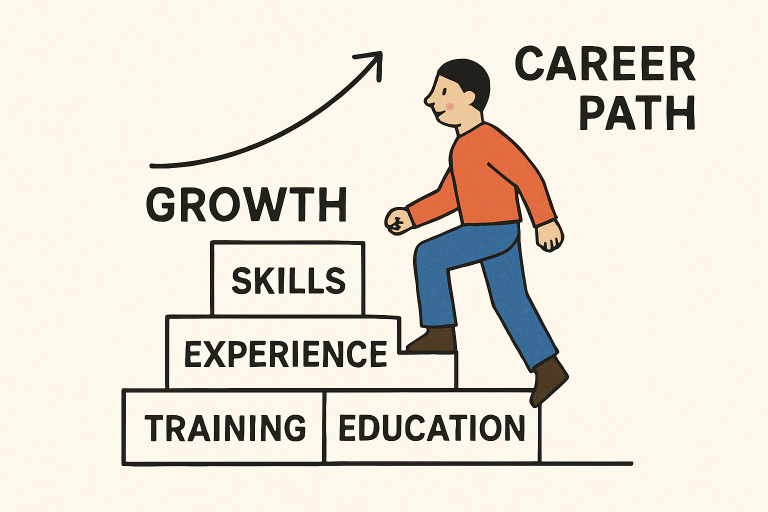
There are numerous avenues for skill acquisition, each suiting different learning styles, schedules, and goals:
- Online Courses and Bootcamps: Platforms offer a wide array of courses ranging from data science to creative writing, allowing you to learn at your own pace and often from top industry leaders.
- Formal Degrees and Certifications: Pursuing advanced degrees or certifications not only bolsters your knowledge but also increases your credibility. Many organizations recognize the value of credentialed learning experiences.
- Workshops and Webinars: Short-term, focused programs offer targeted skill development. Whether it’s mastering a new software or learning about an emerging trend, these sessions are both informative and time-efficient.
- Mentorship and Peer Learning: Building relationships with experienced professionals accelerates your learning. Peer groups and mentors can offer practical advice, share industry insights, and introduce you to career opportunities.
It is beneficial to mix these learning modes, as this approach combines theoretical knowledge with real-life application and professional support. The comprehensive nature of blended learning ensures a deeper, more sustainable skill set.
Applying and Practicing New Skills
Gaining theoretical knowledge is an important step, but practical application truly solidifies what you have learned. Consider seeking volunteer opportunities or freelance projects to put your new skills into practice. Real-world experience provides context, feedback, and confidence. Not only does this allow for professional growth, but it also helps build a portfolio showcasing your capabilities to future employers.
- Volunteering or Freelancing: Offer your expertise on projects for nonprofit organizations or small businesses. This helps establish credibility and expands your network.
- Taking on Stretch Assignments: Within your current organization, look for projects outside your typical responsibilities. These assignments enhance your visibility and help you gain hands-on experience in new areas.
- Building a Portfolio: Documenting your work provides tangible proof of your skills and achievements. Portfolios are powerful tools during job searches, especially for creative and technical roles.
Networking and Building Industry Connections
Professional networking remains a cornerstone for career development. Participation in industry groups, virtual meetups, and professional associations can introduce you to influential contacts and mentors. According to Forbes, robust networks are linked to more job opportunities, greater knowledge exchange, and enhanced innovation.
As industries evolve, relationships within your network can help you keep pace with changes. Being part of professional communities also gives you access to insider information that is crucial for those aiming to pivot into new career fields.
Staying Adaptable to Industry Trends
Monitoring industry trends is vital for maintaining your competitiveness. From market demands to shifts in consumer behavior, staying informed keeps your skills relevant. Proactively reading reports, joining webinars, and subscribing to industry newsletters help you anticipate changes and update your skill set as needed.
Being adaptable means not only responding to trends but also predicting which skills and roles will be in demand. This quality distinguishes innovative professionals and positions you as a forward-thinking contributor in any workspace.
Final Thoughts
Pivoting your career successfully is achievable with a mindset rooted in lifelong learning, adaptability, and resilience. By identifying and enhancing your transferable skills, engaging in varied learning pathways, practicing your new abilities, and establishing a strong network, you will position yourself confidently for a dynamic career future. Navigating change may seem challenging, but with strategic preparation and continuous self-improvement, you can unlock rewarding new career opportunities.