Key Takeaways
- A strong mountain second home should be practical in every season, not only beautiful on arrival.
- Access, maintenance, services, regulations, and resale potential deserve as much attention as the view.
- Rental plans should be verified against local rules, demand patterns, and operating costs.
- A simple comparison scorecard can help buyers make a more confident, less emotional decision.
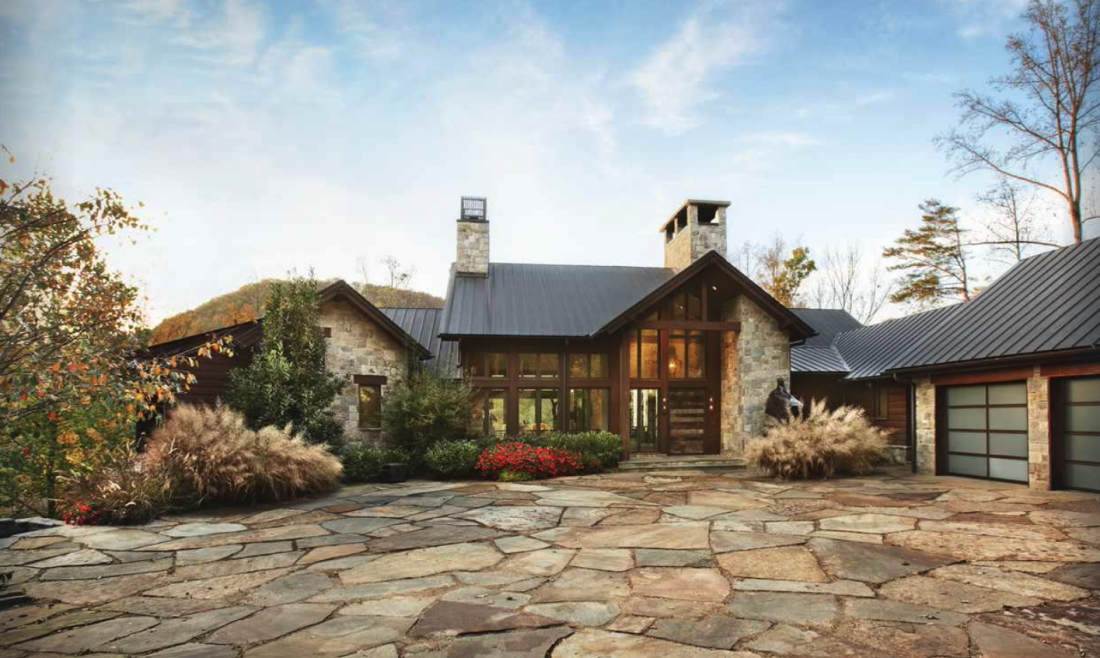
A dramatic ridgeline, ski-area panorama, or quiet forest setting can make a mountain property unforgettable. Yet the view alone cannot tell you whether the home will be easy to reach after a storm, comfortable for a multigenerational family, affordable to maintain, or appealing to future buyers. The best second-home decision comes from evaluating the complete ownership experience. For buyers comparing homes across Aspen, Snowmass, and nearby Roaring Fork Valley communities, Aspen real estate agent Lex Tarumianz of Lex Tarumianz Realty guides luxury homes, neighborhood distinctions, land-use considerations, and buying or selling decisions throughout Aspen Snowmass. The firm’s website includes property searches, neighborhood guides, market perspectives, and local expertise that can help buyers look beyond finishes and focus on the practical details that shape long-term ownership.
Why the View Is Only One Part of the Decision
A home with extraordinary scenery may still create friction if the final drive is steep, the private road is difficult to maintain, or basic services are far away. Mountain ownership asks buyers to balance lifestyle with logistics. This balance looks different for a private family retreat, a convenient weekend base, or a property intended to support occasional rental income. Before falling in love with a particular setting, decide what the home must do for your household. A buyer who visits for a few winter weekends may prioritize airport access and proximity to skiing. A family spending long summer stretches in the valley may care more about outdoor living space, gear storage, internet reliability, and access to groceries, dining, and health care.
Start With How the Home Will Be Used
Use real habits rather than an idealized version of mountain life. Consider how many weeks you expect to stay, whether children or older relatives will visit, and whether remote work will be part of the routine. A secluded property may be perfect for privacy, but less suitable when guests arrive independently, or a repair needs immediate attention.
Questions to Ask First
- How many weeks each year will the home realistically be used?
- Will the property be important in both winter and summer?
- Does the layout work for family, guests, and longer stays?
- Will anyone need a dedicated work area and dependable internet?
- Is rental income a preference, a bonus, or a requirement?
Compare Access in Every Season
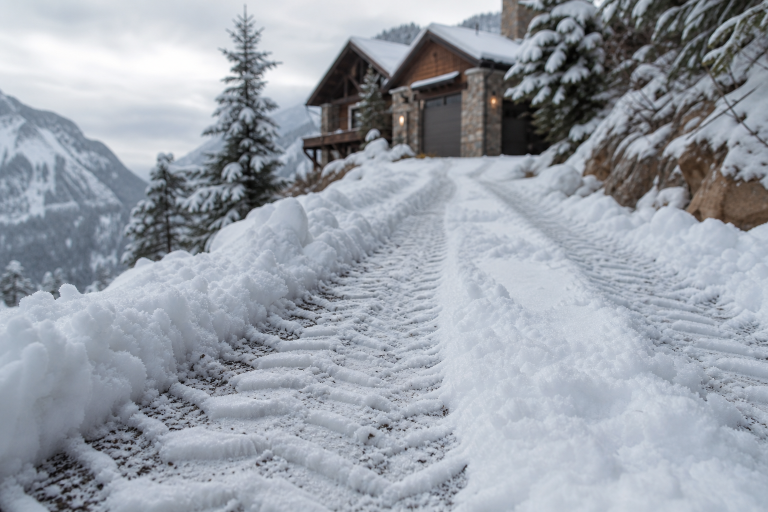
Drive time is only part of access. Review the route from the airport or regional hub, then focus on the final miles. Ask about road grades, visibility, traffic during peak periods, snow removal responsibilities, parking restrictions, and whether a shared drive is professionally maintained. A home near a ski area can still be challenging if the last approach is narrow, icy, or privately maintained. Whenever possible, revisit promising areas in more than one season. A quiet summer road may feel very different during a winter storm, and a sunny showing may not reveal drainage, mud, or snow-storage limitations. Also ask how quickly emergency responders, utility providers, and repair professionals can reach the home.
Look Past the Property Line
The surrounding neighborhood can affect daily enjoyment as much as the house itself. Compare the mix of full-time and seasonal residents, nearby construction potential, trail access, road noise, wildlife activity, and distance to essential services. Privacy has value, but it can come with longer errands, fewer nearby tradespeople, and more responsibility for the owner.
- Check travel time to shops, restaurants, medical care, and transportation.
- Ask whether views are protected, limited, or vulnerable to future development.
- Observe the area during busy and quiet seasons.
- Consider nearby rivers, forests, steep slopes, and open land as both amenities and maintenance factors.
- Evaluate walkability and the practicality of leaving the car parked for a weekend.
Check Rules Before Counting on Rental Income
Rental income should be considered a possibility, not a guarantee. Regulations can affect licensing, permit availability, occupancy, parking, taxes, noise, management requirements, and the number of nights a property may be rented. A homeowners’ association may add further restrictions, even when the local jurisdiction permits rentals. Review the applicable rules before making an offer, not after closing. Buyers considering a home within Aspen can begin with the city’s current short-term rental information, then confirm rules for the specific address, zoning district, and ownership structure. Also, ask whether future additions, guest quarters, accessory uses, or substantial remodeling could trigger a separate land-use review.
Build a Realistic Ownership Budget
The purchase price is the starting point, not the full cost of a mountain home. Request a year-round operating estimate that includes expenses that may not be obvious during a short showing. A lower-priced property can become the more expensive choice if winter access, deferred maintenance, or utility needs are significant.
Costs to Include
- Snow removal, roof clearing, drainage maintenance, and driveway repairs.
- Heating, fuel delivery, backup power, and winter monitoring.
- Insurance suited to wildfire, water, snow-load, and high-value property risks.
- Private-road dues, shared infrastructure, septic or well maintenance, and property management.
- Seasonal inspections, freeze protection, repairs, furnishings, linens, and gear storage.
Wildfire readiness should also be part of the budget and inspection process. Review defensible space, exterior materials, emergency access, vegetation management, and insurance requirements, then use guidance such as Ready.gov’s wildfire preparedness resources to frame practical questions for local professionals.
Review Mountain-Ready Features
Look beyond updated kitchens and attractive finishes. Inspect roof pitch, drainage, windows, insulation, retaining walls, decks, stairs, and driveway surfaces. Ask for heating-system service records and clarify the condition of water sources, septic systems, wells, pumps, and backup plans. Storage for skis, bikes, tools, firewood, and wet outerwear can make a major difference during longer stays.
Use a Simple Neighborhood Scorecard
Score each home or neighborhood from one to five in the following categories. The exercise creates a useful comparison when several properties feel equally appealing.
- Access: Can you reach the home safely and comfortably in every season?
- Daily convenience: Are groceries, services, dining, and medical care reasonably close?
- Privacy: Does the setting feel quiet without creating excessive upkeep?
- Usefulness: Does the layout support family, guests, work, and extended stays?
- Ownership cost: Are maintenance, insurance, utilities, and management sustainable?
- Resale appeal: Will future buyers value the location for more than its view?
Think About Year-Round Demand
Homes that support more than one season often appeal to a broader group of owners and future buyers. Ski access matters in winter, but summer trails, biking, rivers, cultural events, dining, and scenic drives can add value when snow has melted. Look for areas where services remain reasonably available outside peak periods and where the property supports a full weekend of use rather than a single activity.
A Five-Step Review Before Making an Offer
- Define the primary use. Clarify whether the home is for family time, convenience, rental use, or long-term ownership.
- Compare at least three areas. Evaluate access, services, privacy, and seasonal activity side by side.
- Estimate total ownership costs. Include travel, maintenance, insurance, utilities, and management.
- Confirm rules early. Review rental restrictions, zoning, permits, and association requirements.
- Inspect beyond appearances. Focus on roof, heating, drainage, utilities, structure, and winter access.
Final Perspective
The best mountain-town second home is not always the largest, most secluded, or most visually dramatic. It is the property that fits your actual travel patterns, budget, household needs, and long-term goals. By giving access, local services, community rules, seasonal upkeep, and year-round appeal the same attention as the view, buyers can choose a home that remains rewarding long after the first arrival. Taking time to compare ownership costs, road conditions, maintenance responsibilities, and nearby amenities can help prevent unexpected challenges after closing. A well-researched purchase is more likely to provide lasting enjoyment, support your lifestyle, and retain its appeal as your needs change over time, making it a valuable retreat for both personal use and future resale.