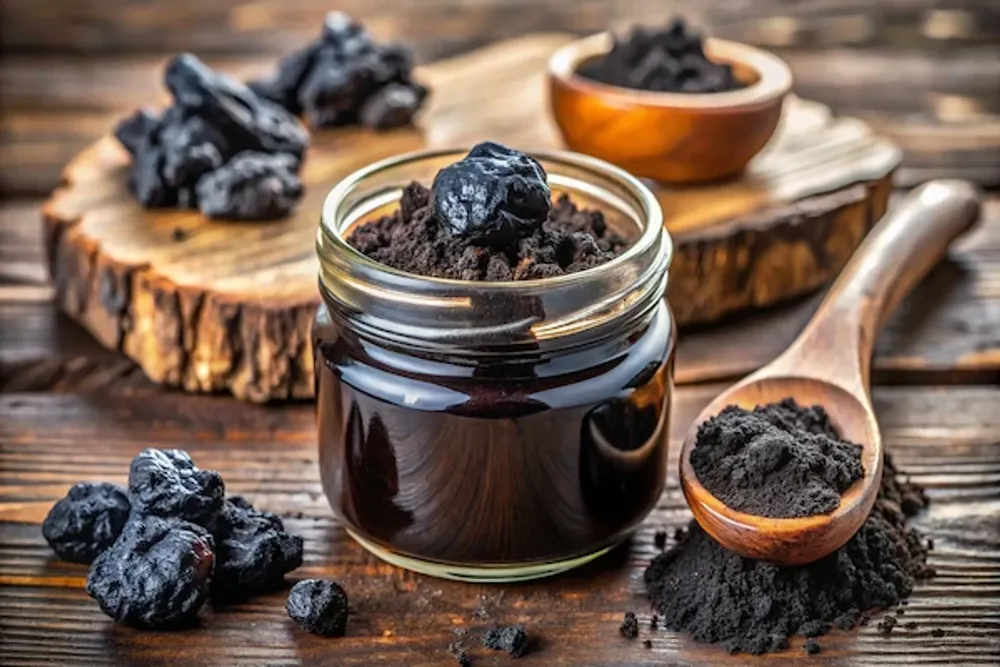
Shilajit, the mineral-rich resin found in the high-altitude Himalayan mountains, is celebrated for its therapeutic and rejuvenative properties. Its natural composition, rich in fulvic acid, humic acid, and essential minerals, makes it a valuable supplement for overall wellness. However, environmental contaminants can significantly impact the purity and safety of Shilajit, highlighting the importance of awareness among consumers. Understanding potential sources of contamination and how to identify high-quality products is crucial for maintaining both health benefits and safety. Reliable sources such as https://www.newphaseblends.com/product/pure-himalayan-shilajit/ offer assurance of purity, but knowledge of environmental factors empowers individuals to make informed choices. This guide explores the major environmental contaminants affecting Shilajit, their impact, and strategies for ensuring safe consumption.
Sources of Environmental Contaminants
Shilajit forms over centuries as organic matter decomposes and combines with minerals in rock fissures. During this long formation process, the resin can be exposed to environmental contaminants such as heavy metals, industrial pollutants, and microplastics. Contaminated soil or water sources, nearby mining activity, and air pollution can all contribute to the presence of unwanted substances in Shilajit. Awareness of these sources is critical for consumers seeking pure, unadulterated resin.
Heavy Metal Contamination
One of the most concerning environmental contaminants in Shilajit is heavy metals, including lead, mercury, arsenic, and cadmium. These metals can accumulate naturally in rocks or enter the resin through industrial pollution. High levels of heavy metals pose serious health risks, including neurological, kidney, and liver damage. Ensuring that Shilajit is tested for heavy metals and sourced from pristine, high-altitude regions is essential for safety.
Industrial Pollution and Airborne Contaminants
Shilajit collected near industrial zones or areas with air pollution may absorb airborne contaminants such as sulfur dioxide, nitrogen oxides, or particulate matter. These pollutants can alter the chemical composition of the resin and reduce its therapeutic value. Maintaining awareness of the collection region and avoiding Shilajit sourced from polluted areas is key to ensuring quality and safety.
Water Contaminants
Water that percolates through mountainous rocks contributes to Shilajit formation. If water sources are contaminated with pesticides, fertilizers, or industrial chemicals, these substances can become embedded in the resin. Clean, unpolluted water is necessary for producing high-quality Shilajit rich in beneficial minerals and organic compounds. Consumers should seek products verified for purity through rigorous water and chemical testing.
Microbial Contamination
Although microorganisms play a role in the natural formation of Shilajit, unwanted microbial contaminants, such as bacteria or fungi, can compromise its safety. Improper handling, collection, or storage may allow microbial growth, leading to spoilage or health risks. Proper purification and adherence to hygiene standards are critical for preventing microbial contamination.
Soil and Mineral Impurities
Natural Shilajit may contain soil or rock particles from the collection process. While some mineral content is desirable for its health benefits, excessive soil or inorganic debris indicates poor harvesting practices. Awareness of collection techniques and visual inspection of resin can help consumers distinguish clean, high-quality Shilajit from contaminated material.
Adulteration Risks Linked to Environmental Factors
High demand for Shilajit has led to adulteration in some products, often to compensate for low-quality or contaminated resin. Adulterants may include synthetic substances, fillers, or low-grade resin from polluted regions. Being informed about potential environmental contaminants helps consumers recognize signs of adulteration, such as unusual color, texture, or odor.
Testing and Certification
Laboratory testing is the most reliable method for detecting environmental contaminants in Shilajit. Reputable suppliers provide third-party certifications for heavy metals, microbial contamination, and chemical purity. Consumers should seek Shilajit products that have undergone rigorous quality testing to ensure safety and authenticity.
Impact on Health and Therapeutic Benefits
Environmental contaminants not only pose health risks but also reduce the therapeutic effectiveness of Shilajit. Heavy metals and pollutants can interfere with the bioavailability of essential minerals and organic compounds, diminishing the resin’s rejuvenative properties. Maintaining awareness of contamination risks ensures that consumers receive the full benefits of high-quality Shilajit.
Best Practices for Safe Consumption
Selecting Shilajit from trusted sources and high-altitude, pristine regions is essential. Consumers should verify third-party testing and certifications for heavy metals, microbial contaminants, and chemical purity. Proper storage, away from moisture, heat, and sunlight, preserves the resin’s natural composition and prevents post-harvest contamination. Awareness of these factors allows for informed decision-making and safe, effective supplementation.
Traditional Knowledge and Modern Awareness
Traditional Himalayan harvesters have long emphasized the importance of collecting Shilajit from remote, uncontaminated locations. Modern consumers can benefit from this wisdom by understanding the environmental risks that affect purity and seeking products that adhere to ethical and clean sourcing practices. Combining traditional knowledge with contemporary testing standards provides a comprehensive approach to Shilajit awareness.
Consumer Education and Responsibility
Educated consumers play a critical role in promoting safe and pure Shilajit. Awareness of environmental contaminants, sourcing practices, and potential adulteration helps prevent the purchase of substandard products. By demanding transparency, certifications, and quality assurance, consumers encourage ethical harvesting and production, supporting both safety and sustainability.
Visual and Sensory Indicators of Purity
In addition to testing, visual and sensory inspection can provide clues about Shilajit purity. Authentic resin typically has a dark brown to black color, a sticky and pliable texture, and an earthy aroma. Deviations from these natural characteristics, such as unnatural colors, powders, or chemical odors, may indicate contamination or adulteration. Combining sensory evaluation with verified testing strengthens the assessment of quality.
Conclusion: Ensuring Safety Through Awareness
Environmental contaminants pose significant challenges to maintaining the natural purity and therapeutic benefits of Shilajit. Heavy metals, industrial pollutants, water contamination, microbial growth, and improper harvesting practices can compromise both safety and efficacy. Awareness of these factors, combined with laboratory testing, ethical sourcing, and visual evaluation, is crucial for consumers seeking high-quality Shilajit.