Post Preview
Key Takeaways
- Regular asphalt maintenance prevents minor issues from escalating into major repairs.
- Sealcoating and crack filling are essential practices to protect asphalt surfaces.
- Proactive maintenance saves money in the long run by extending pavement life.
Table of Contents
- Understanding Asphalt Deterioration
- Essential Maintenance Practices
- Cost Benefits of Regular Maintenance
When asphalt maintenance is carried out on roads, car parks, or other high-traffic areas, effective temporary traffic control helps protect both workers and motorists; More Info can be found through professional traffic management resources.
- Developing a Maintenance Plan
- Final Thoughts
Maintaining asphalt surfaces is crucial for any property owner who wants to preserve their investment and avoid the escalating costs of major repairs. With proper care, your pavement will not only look better but also last much longer. Whether managing a single-family driveway or a commercial parking lot, keeping asphalt in great shape provides enhanced curb appeal and safety for all users. For those based in Southern California, seeking asphalt repair San Diego, CA is a smart step towards protecting your surfaces from early deterioration.
Asphalt faces constant threats from weather, chemicals, and the daily grind of vehicles. Regular upkeep can prevent small issues from turning into costly, large-scale repairs. By understanding the value of proactive maintenance, you can make more informed decisions about protecting your property for years to come.
Understanding Asphalt Deterioration
Asphalt surfaces endure steady wear and tear from environmental elements and traffic. Sunlight, particularly ultraviolet radiation, breaks down the binding agents in asphalt, making it brittle and susceptible to cracking. When cracks form, rainwater and other contaminants can permeate the surface, affecting the underlying foundation. Over time, this repeated exposure often leads to the development of potholes and significant structural weaknesses. Heavy vehicles, oil spills, and fluctuating temperatures only accelerate this process.
Once water penetrates beneath the asphalt, freeze-thaw cycles in colder climates or simply persistent moisture in warmer regions can erode the base layers. This disrupts the pavement’s structural integrity, leading to costly repairs or a complete replacement if not addressed promptly. According to the Federal Highway Administration, millions of dollars are lost annually due to premature pavement failure that could often be prevented through regular maintenance.
Essential Maintenance Practices
A proactive maintenance routine is essential to slow down or halt the deterioration process of asphalt. These are some of the most crucial practices:
- Sealcoating: Applying a protective emulsion to asphalt surfaces shields them from sun, water, and chemicals, acting as a barrier against damaging oxidation and moisture infiltration.
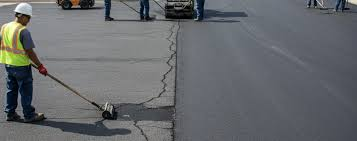
- Crack Filling: Sealing cracks is vital to prevent water from reaching the base layer, thereby avoiding the root cause of most potholes and pavement failures.
- Pothole Repair: Promptly addressing potholes not only restores safety but also prevents further erosion from spreading throughout the pavement.
When performed consistently, these methods drastically extend the service life of your asphalt. Industry recommendations, such as those from the Asphalt Institute, emphasize that investing in these measures yields significant savings over time by reducing the frequency and severity of needed repairs.
Cost Benefits of Regular Maintenance
Regular asphalt maintenance might seem like an added expense, but it delivers substantial long-term cost benefits. For example, sealcoating and prompt crack repairs typically cost far less than a full resurfacing or reconstruction project. Studies indicate that routine preventative care can double the lifespan of asphalt pavement, making it one of the wisest investments a property owner can make.
Delays in maintenance often result in rapid surface degradation. According to the National Asphalt Pavement Association, deferring essential maintenance for just a few years can reduce pavement life by up to 50%, leading to much higher repair and replacement costs down the road. Timely maintenance ultimately safeguards your budget by minimizing both direct repair costs and indirect costs associated with safety hazards and property value declines.
Developing a Maintenance Plan
A thoughtful, structured maintenance plan helps ensure no aspect of your pavement care is overlooked. Successful maintenance strategies generally include the following steps:
- Regular Inspections: Conduct thorough inspections at least twice a year to identify signs of wear, cracking, or water damage before they worsen.
- Scheduled Sealcoating: Applying a sealcoat every 2 to 3 years helps preserve the surface, keeps it looking fresh, and protects against environmental threats.
- Timely Repairs: Swiftly addressing cracks and potholes prevents them from expanding and causing further structural problems. Early repairs are always more affordable and effective than waiting until significant deterioration sets in.
By instituting clear timelines and responsibilities, property owners can ensure that maintenance tasks never slip through the cracks. Keeping detailed records of all inspections, treatments, and repairs will also make it easier to budget for future needs and demonstrate diligent property stewardship.
Final Thoughts
Regular asphalt maintenance protects your investment, boosts curb appeal, and enhances safety for everyone using your property. A well-developed routine that includes inspections, sealcoating, crack filling, and timely repairs can double the lifespan of your pavement and save substantial amounts of money over time. By prioritizing proactive care, property owners can enjoy strong, attractive asphalt surfaces and avoid the disruptions of major repairs or premature replacements.