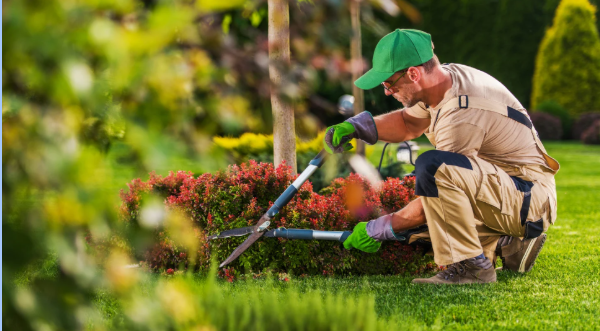
Many property owners postpone landscaping projects, assuming the delay will save time or money. However, neglecting timely improvements often leads to more complex and costly issues over time. A well-planned outdoor space requires consistent attention and strategic upgrades to maintain its value and functionality. Homeowners considering landscaping design in Johns Creek often realize that delaying these projects can create hidden expenses that are not immediately visible. What starts as a simple postponement can gradually impact the overall condition of the property, making future work more extensive and demanding.
Decline in Property Value and Appeal
A neglected outdoor space directly affects the visual and financial value of a property. Overgrown plants, uneven surfaces, and outdated layouts create an uninviting appearance that can lower perceived value. Landscaping plays a major role in first impressions, and any delay in improvement can diminish the overall appeal of the property. As time passes, the cost of restoring visual harmony increases, especially when multiple elements require attention at once. Maintaining a well-designed landscape ensures that the property continues to present a polished and attractive appearance.
Escalating Repair and Restoration Costs
When landscaping projects are delayed, minor issues begin to grow into larger problems that require more extensive intervention. Soil erosion, plant overgrowth, and drainage concerns can worsen over time, increasing the cost of restoration. Instead of addressing a manageable situation early, property owners may face the need for complete redesign and reconstruction. Investing in landscaping services at the right time helps prevent these escalating expenses by maintaining balance and structure in the outdoor environment. Delays often result in more labor-intensive work, which significantly raises overall project costs.
Increased Risk of Structural Damage
Delaying landscaping projects can lead to structural concerns that extend beyond the yard. Poor drainage systems, unmanaged plant growth, and shifting soil can affect foundations, walkways, and other built features. Water accumulation near structures may lead to long-term damage that requires significant repairs. Addressing landscaping concerns early helps prevent these risks by ensuring proper grading and water flow management. Without timely intervention, these hidden issues can compromise the integrity of both the landscape and surrounding structures.
Higher Long-Term Maintenance Demands
Postponing landscaping improvements often results in higher maintenance requirements in the future. As plants grow unchecked and design elements become outdated, more effort is needed to restore order and functionality. What could have been maintained through regular updates turns into a demanding process that requires extensive work. Over time, the landscape becomes harder to manage, leading to ongoing expenses that could have been avoided with timely planning. Consistent professional care ensures that the landscape remains manageable and efficient.
Missed Opportunities for Functional Upgrades
Delaying landscaping projects also means missing the opportunity to improve how outdoor spaces are used. Functional upgrades such as better layout planning, improved pathways, and enhanced outdoor features contribute to a more usable environment. When these upgrades are postponed, the property continues to operate below its full potential. A thoughtfully designed landscape enhances both comfort and usability, making outdoor areas more practical and enjoyable. Timely investment allows these improvements to be integrated seamlessly into the property.
Conclusion
Delaying landscaping projects may seem like a convenient decision, but it often leads to hidden costs that grow over time. From increased repair expenses to reduced property value and structural risks, the impact of postponement can be significant. Addressing landscaping needs at the right time ensures a balanced and well-maintained outdoor space that supports both functionality and long-term value.