Table of Contents
- Artificial Intelligence in Embryo Selection
- Sperm Bots: Navigating Reproductive Challenges
- Transforming Skin Cells into Functional Eggs
- Corporate Chains Enhancing IVF Success Rates
- Policy Changes Impacting IVF Accessibility
- Oncofertility: Preserving Fertility Amidst Cancer Treatment
- Addressing the Male Infertility Crisis
- Conclusion
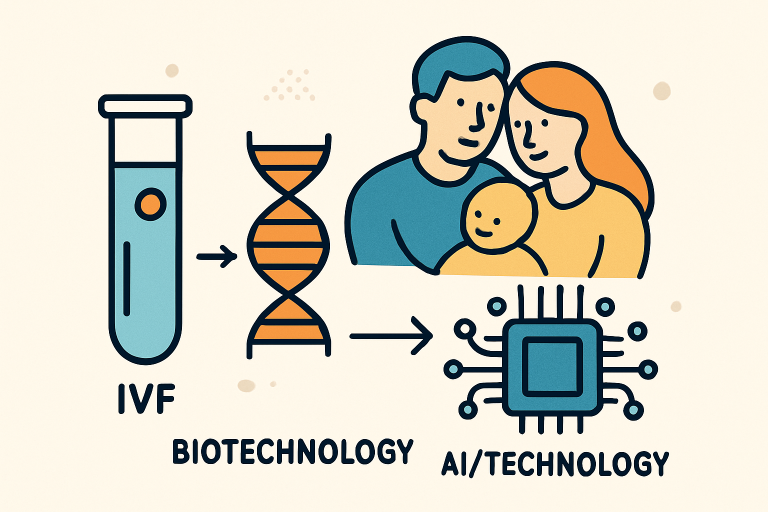
Fertility care is undergoing a profound transformation driven by rapid scientific discovery and technological innovation. Today, individuals and couples facing fertility challenges have more options and higher chances of success. The progress in this field is opening new pathways to parenthood that were unimaginable just a decade ago. Learn more about recent developments and how they may impact your fertility journey.
From artificial intelligence in embryo selection to novel robotic techniques and even changes in national policy, each breakthrough offers the possibility of improved outcomes. For many, understanding these advancements can lead to more confident, empowered decisions about starting or expanding a family.
Innovations extend beyond the laboratory, shaping clinic practices and accessibility of treatments. Whether through corporate-driven enhancements to IVF processes or legislative changes that expand coverage of fertility procedures, the impact is widespread and significant.
This article explores the most influential advancements, highlighting both their scientific context and their practical significance for patients worldwide. The value of staying informed and seeking guidance from reputable clinics and resources cannot be overstated.
Artificial Intelligence in Embryo Selection
The utilization of Artificial Intelligence (AI) in fertility clinics is changing how embryos are selected for transfer. AI tools analyze images and data from thousands of previous cases, evaluating subtle indicators of embryo viability that the human eye may miss. By improving accuracy, these systems can increase the likelihood of implantation and a successful pregnancy. In many fertility centers, AI now assists with customizing treatment plans, streamlining a critical step in in vitro fertilization (IVF), and reducing the emotional and financial burden of repeated failed cycles. Leading publications such as Nature have detailed the rapid integration and benefits of AI in reproductive medicine.
Sperm Bots: Navigating Reproductive Challenges
The introduction of sperm bots, tiny robotic devices powered by bull sperm and guided by magnetic nanoparticles, marks an unprecedented approach to overcoming reproductive hurdles. Researchers demonstrated that these bots could be steered precisely through a to-scale 3D-printed model of the female reproductive system. In addition to assisting with targeted drug delivery inside the uterus and fallopian tubes, this technology also holds promise for treating gynecological conditions such as cancer and fibroids. Ultimately, these robotics-driven solutions could become invaluable tools for individuals with severe male factor infertility or those requiring precise medical interventions. More information on this revolutionary research can be found in high-impact sources such as Live Science.
Transforming Skin Cells into Functional Eggs
The ability to create functional eggs from skin cells represents one of the most remarkable scientific advancements in fertility care. By transferring a human skin cell’s nucleus into an enucleated donor egg, researchers encourage the donor egg to initiate processes akin to natural meiosis, resulting in eggs capable of early embryo development. While the first attempts often result in chromosomal abnormalities, further refinement of the procedure could unlock new treatments for age-related infertility and genetic conditions. This technique may also make it possible for same-sex couples to have a genetically related child. More information on this revolutionary research can be found in high-impact sources such as Scientific American.
Corporate Chains Enhancing IVF Success Rates
The emergence of corporate chains in the fertility sector has transformed care through standardized protocols and quality controls. Data shows that chain-managed fertility clinics perform more IVF cycles and achieve higher success rates compared to independent centers. These clinics are also more likely to focus on single embryo transfers, thereby reducing risky multiple births and improving outcomes for mothers and infants. Standardization across locations helps ensure patients receive reliable, high-quality care and increases the likelihood of success, particularly in areas with high demand for fertility treatments. For more details, refer to the INFORMS study titled “Corporate Chains Revolutionize Fertility Clinics.”
Policy Changes Impacting IVF Accessibility
Government policy has a direct effect on who can access fertility treatments and at what cost. In February 2025, an executive order was signed to promote broader access to IVF and reduce structural and financial barriers. Recommendations include lowering the price of a typical IVF cycle, which frequently ranges from $12,000 to $25,000, and increasing insurance coverage to make care more affordable for the underserved population. This legislative turn reflects growing societal consensus on the importance of reproductive rights and the need for fair access to effective fertility treatments.
Oncofertility: Preserving Fertility Amidst Cancer Treatment
Fertility preservation is crucial for cancer patients, as treatments like chemotherapy and radiation often damage reproductive capabilities. The Oncofertility Consortium has developed options such as ovarian tissue freezing and testicular tissue preservation, allowing survivors the chance to start families later in life. Its collaborative research not only drives medical innovation but also addresses the legal, psychological, and ethical challenges that impact patients’ decisions. The initiative’s work ensures that cancer survivors are not forced to choose between life-saving therapy and their future families.
Addressing the Male Infertility Crisis
Falling sperm counts and increasing rates of male infertility are cause for concern globally. Sperm concentration has dropped by over 50 percent in just three decades, most dramatically in North America, Europe, Australia, and New Zealand. Experts cite factors such as exposure to endocrine-disrupting chemicals, poor diet, lack of exercise, and even climate change as contributors. Reversing this trend will require sweeping changes in public health, research investment, and education about preventive strategies. Long-term solutions depend on addressing both environmental exposures and lifestyle changes at a population level.
Conclusion
Extraordinary advances in science, technology, and policy are shaping the future of fertility care. AI-driven embryo selection, robotic innovations like sperm bots, and the potential to grow eggs from skin cells all give new hope to those struggling with infertility. Policy reforms and oncofertility initiatives make these benefits more broadly accessible. Remaining informed, choosing experienced clinics, and engaging with current research are key steps for anyone navigating the complex journey toward parenthood.