Key Takeaways:
- Hands-on training programs are enhancing dentists’ surgical skills and confidence.
- Technological innovations, including robotic assistance, are revolutionizing implant procedures.
- Comprehensive education initiatives are bridging gaps in implant maintenance knowledge among dental hygienists.
Table of Contents:
- Hands-On Training Programs
- Technological Innovations in Implantology
- Comprehensive Education for Dental Hygienists
- Global Initiatives in Implant Education
- Mentorship and Professional Development
- Future Directions in Dental Implant Training
Dental implantology is experiencing a significant transformation as advances in training and technology are enhancing both practitioner skills and patient outcomes. Across the dental landscape, hands-on training opportunities, such as those at the Pikos Institute, are equipping practitioners with the knowledge, confidence, and expertise necessary for modern implant procedures. These programs focus on direct surgical experience and provide dentists with the mentorship and support needed to excel in increasingly complex dental environments.
As technological advancements in dental implant placement, digital imaging, and guidance systems become crucial in dental education and practice, there is a significant shift towards team-based learning and comprehensive education for all roles in implant care. This evolution is raising expectations for practitioners and patients alike. Advanced training in dental implants benefits not only patient outcomes but also fosters professional growth and a culture of lifelong learning within the field. It is essential for practitioners to remain informed and connected with current resources and global programs as training methods adapt to the changing demands in this dynamic specialty. The growing integration of technology and hands-on mentorship empowers practitioners to deliver effective, evidence-based treatments, thereby enhancing the quality of care, boosting patient satisfaction, and improving well-being.
Hands-On Training Programs
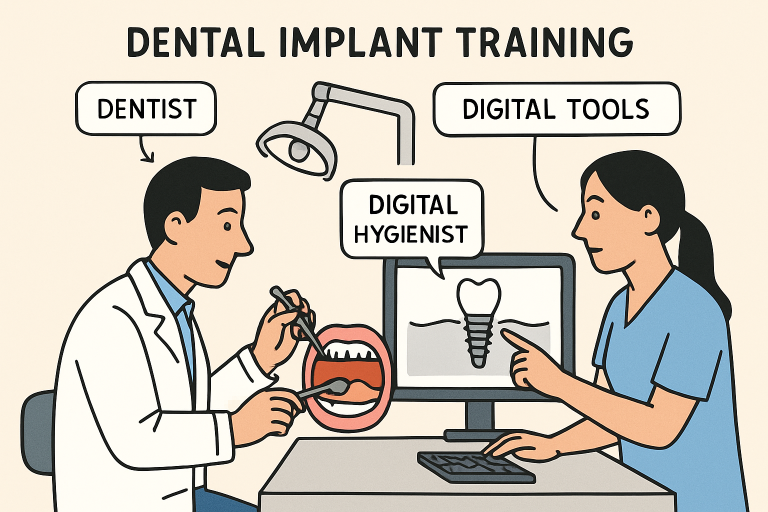
The value of hands-on learning in dental implantology cannot be overstated. Programs designed to provide extensive practical experience are enabling dentists to perform real implant surgeries under expert guidance. For example, immersive training series often include full-arch cases, immediate implant placement, guided bone regeneration, and sinus-lift techniques. These settings foster a supportive environment where dental professionals can ask questions, refine their skills, and gain confidence. Clinical mentorship is a critical feature of these programs, ensuring participants receive real-time feedback and adopt best practices that they can then apply to their own patients. The American Dental Association provides information on the importance of specialized implant training and ongoing professional development, reinforcing the value of hands-on education.
Technological Innovations in Implantology
Innovative tools are rapidly transforming what is possible in dental implant science and education. Cutting-edge robotic systems used at prestigious training centers such as NYU College of Dentistry are setting new benchmarks in precision and predictability during implant surgeries. These technology-driven solutions allow for minimally invasive procedures and improved outcomes, while preparing future dentists to embrace advanced digital workflows. From 3D imaging to guided surgery software, dental schools and continuing education providers are integrating technology into curricula, reflecting the reality that digital competency is now essential in contemporary dental practice. As highlighted by The New York Times, robotic guidance can enhance learning outcomes and patient safety, making training more effective and anticipatory of future trends.
Comprehensive Education for Dental Hygienists
The growing number of dental implants being placed globally has spotlighted the need for thorough implant maintenance education among dental hygienists. Surveys show that although hygienists are often tasked with the maintenance and care of these restorations, many lack targeted training to manage implant-specific concerns. Program organizers are addressing this educational gap by offering curriculum modules on peri-implantitis, cleaning protocols, and patient education for long-term implant care. These initiatives are essential for preventing complications and ensuring implant longevity, while supporting collaborative, team-based approaches within dental practices. Progressive dental hygiene programs are increasingly incorporating these topics, ensuring hygienists are well-prepared to contribute meaningfully to patient care.
Global Initiatives in Implant Education
Educational progress in dental implantology is not limited to one region or country. Globally, major dental organizations are investing in clinical training for implant dentistry to address disparities in care and access. One prominent example is Osstem Implant in India, which runs large-scale educational events and clinical workshops. These programs introduce the latest scientific advances and practical techniques, promoting consistency in patient safety and treatment quality across different healthcare systems. The international expansion of dental implant education programs helps elevate standards, fosters knowledge exchange, and sustains a global dental community committed to ongoing improvement. Platforms such as Dentistry.co.uk often report on these initiatives, emphasizing their role in worldwide dental care improvement.
Mentorship and Professional Development
Seasoned guidance and structured mentorship are invaluable for emerging dental implant providers. Access to established mentors, whether through in-person courses or digital registries, supports sustainable career development and lifelong education. The College of General Dentistry’s Register of Mentors in Implant Dentistry, for instance, connects practitioners with qualified mentors for case discussions, advice on best practices, and career navigation. This mentorship infrastructure nurtures critical thinking, encourages reflective practice, and builds strong, resilient professional networks among practitioners at every career stage. Mentors not only transfer technical skills but also foster ethical decision-making and interdisciplinary collaboration, reinforcing the profession’s core values.
Future Directions in Dental Implant Training
The future of dental implantology is characterized by the integration of advanced technology and evidence-based curriculum development. Automation and artificial intelligence are becoming pivotal in treatment planning and abutment design, enhancing workflows and minimizing errors. Research into digital frameworks and machine learning is facilitating the creation of new training paradigms for dentists, enabling them to achieve more personalized and predictable patient outcomes. Adaptability and flexibility will be crucial for dental professionals as the pace of advancements in clinical techniques and educational methods continues to accelerate. Dental implant training is now more than ever a blend of technology, mentorship, and global outreach. To uphold high standards of care in this dynamic environment, dental practitioners must stay informed, invest in quality education, and embrace innovative technological advancements.