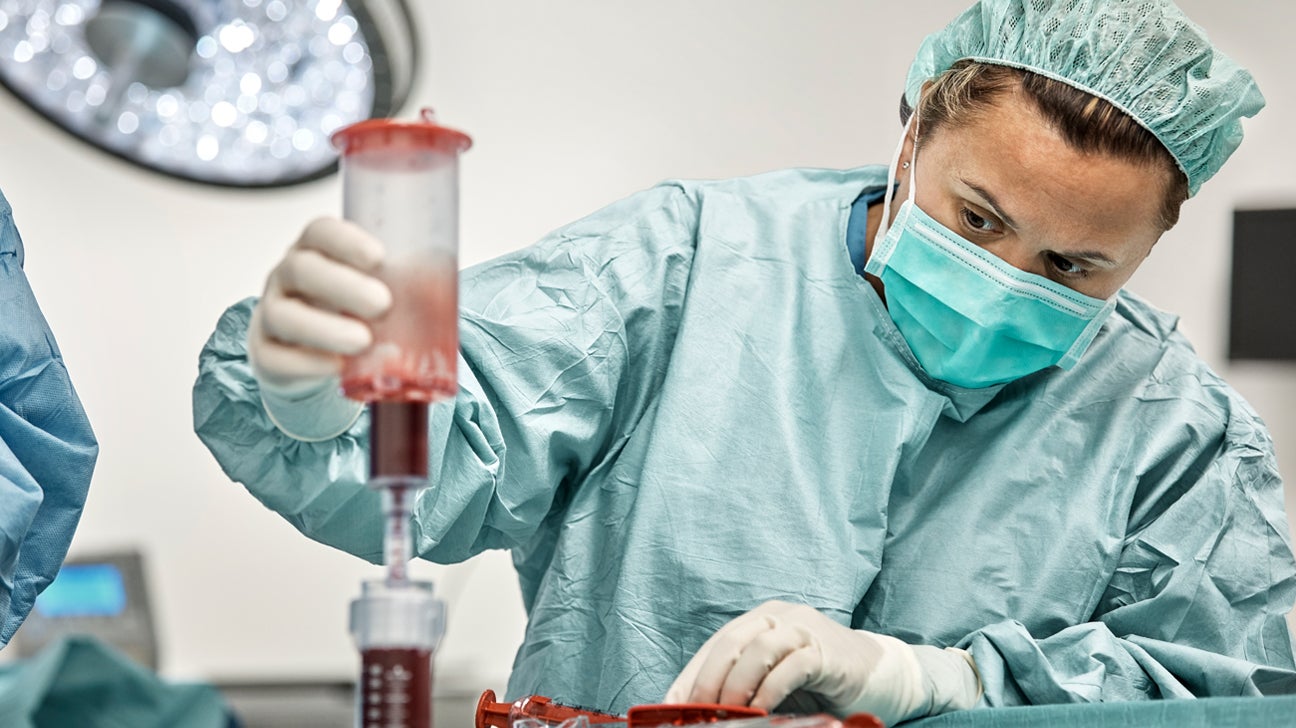
Stem cell graft disease is a serious complication that can occur after stem cell transplantation when donor cells attack the recipient’s body. Timely and effective treatment is essential to prevent organ damage and improve patient outcomes. Specialized centers like Liv Hospital provide structured treatment plans and advanced procedures tailored to each patient’s needs.
Goals of Treatment
The main objectives of treatment for graft disease are:
- Controlling the immune response from donor cells
- Minimizing organ damage
- Supporting overall patient health
- Preventing relapses or chronic complications
A detailed understanding of Stem Cell Graft Disease Treatment and Procedures helps healthcare providers choose the right interventions and improve patient care.
Medical Management
Treatment often begins with medical therapies designed to suppress the immune response and control symptoms:
- Corticosteroids and immunosuppressive drugs to reduce immune-mediated tissue damage
- Supportive care including transfusions, nutritional support, and infection prevention
- Targeted therapies for patients with specific organ involvement or severe disease
Specialized hospitals such as Liv Hospital follow established protocols to ensure optimal management and minimize treatment risks.
Advanced Procedures
In more severe cases, advanced interventions may be required:
- Photopheresis to modify immune cell activity
- Stem cell manipulation or second transplantation in select patients
- Organ-specific therapies to protect affected tissues
These procedures require a multidisciplinary approach including hematologists, immunologists, and transplant specialists.
Monitoring and Follow-Up
Continuous follow-up is essential to monitor treatment response, detect complications early, and adjust therapy as needed. Patients undergo regular blood tests, organ function assessments, and clinical evaluations. Early intervention improves outcomes and helps maintain quality of life.
Supporting Recovery and Wellness
Along with medical treatment, lifestyle measures can aid recovery. Proper nutrition, stress management, and immune support are important for overall wellbeing. Patients can refer to live and feel for practical guidance on wellness and maintaining a healthy lifestyle during and after treatment.