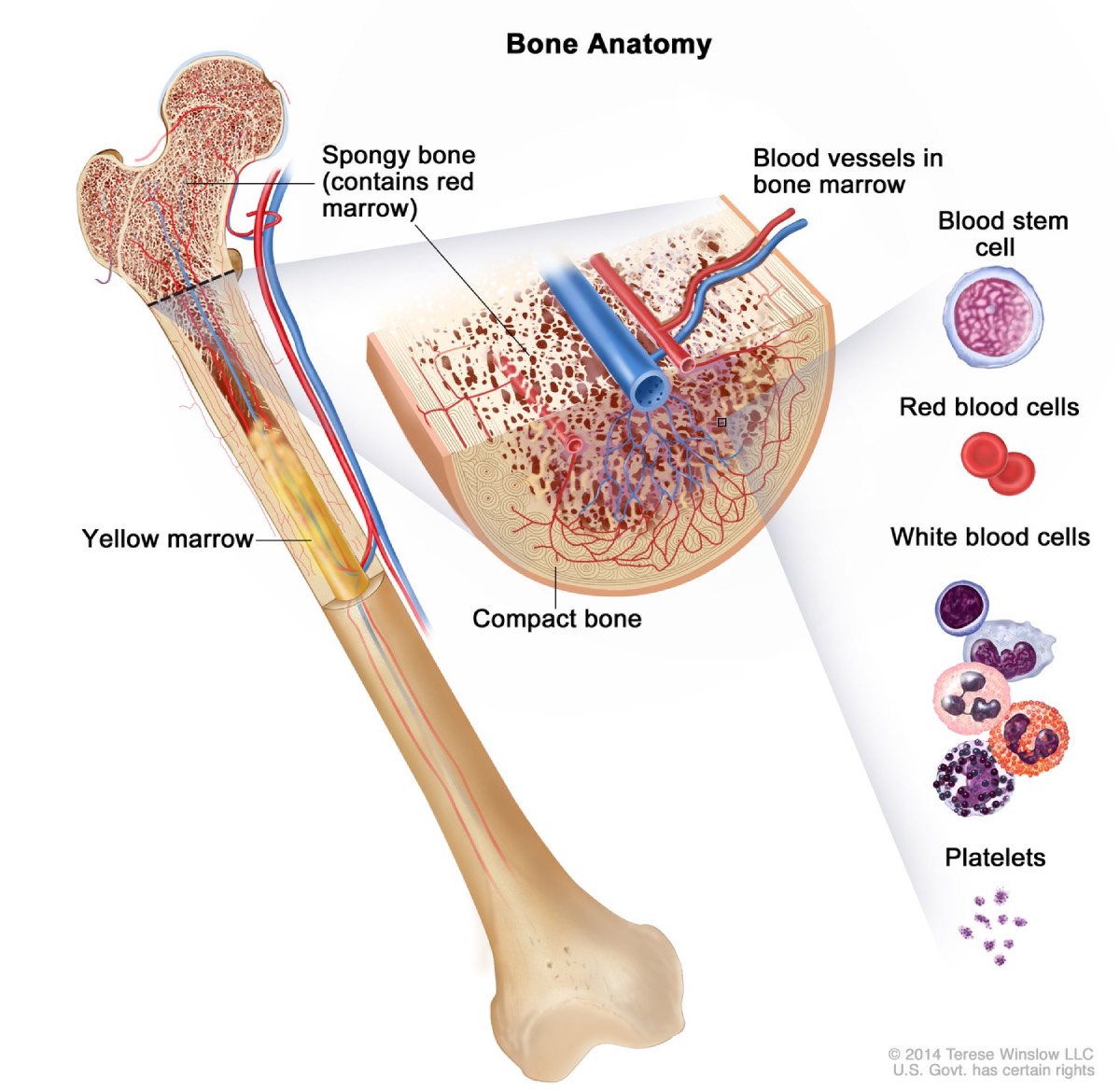
Bone marrow failure is a serious medical condition in which the bone marrow stops producing enough healthy blood cells. These blood cells include red blood cells, white blood cells, and platelets. When their production drops, the body becomes weak, more prone to infections, and unable to control bleeding properly. In recent years, stem cell therapy has become an important option for managing and treating bone marrow failure in selected patients.
Bone marrow plays a vital role in keeping the body healthy. It is responsible for producing stem cells that later develop into different types of blood cells. When this process is disturbed due to disease or genetic issues, bone marrow failure can occur. Specialized centers like Liv Hospital focus on advanced diagnostic and treatment approaches for such complex conditions.
What Is Bone Marrow Failure?
Bone marrow failure happens when the marrow cannot produce enough functional blood cells. This can be partial or complete, depending on the severity. Patients may experience symptoms such as fatigue, shortness of breath, frequent infections, unexplained bruising, or prolonged bleeding. In many cases, the condition worsens over time if left untreated.
Stem cell therapy helps restore the bone marrow’s ability to produce healthy blood cells. It works by replacing damaged or non functioning marrow with healthy stem cells, which then start producing normal blood components again.
Conditions That May Lead to Bone Marrow Failure
Several medical conditions are linked to bone marrow failure. One common condition is aplastic anemia, where the immune system attacks the bone marrow. Another is myelodysplastic syndrome, a disorder in which blood cells are poorly formed and do not function properly. Inherited conditions like Fanconi anemia can also cause bone marrow failure from a young age.
Certain cancers, especially leukemia, directly affect the bone marrow. Chemotherapy and radiation therapy used to treat cancer can also damage the marrow, leading to temporary or permanent failure. Infections, exposure to toxic chemicals, and autoimmune diseases are additional risk factors.
Understanding Stem Cell Bone marrow failure Conditions and Indications is essential for choosing the right treatment plan. Each patient requires a detailed evaluation to determine whether stem cell therapy is suitable.
Indications for Stem Cell Therapy
Stem cell treatment is usually recommended when conventional therapies fail or when the disease is severe. Patients with advanced aplastic anemia, certain genetic disorders, or aggressive blood cancers are often considered strong candidates. The decision depends on factors such as age, overall health, disease stage, and availability of a compatible stem cell donor.
Doctors may suggest stem cell therapy when blood transfusions become frequent or ineffective, or when the risk of life threatening infections increases. Early referral to a specialized center improves the chances of successful treatment and long term recovery.
Diagnosis and Treatment Planning
Accurate diagnosis is the first step in managing bone marrow failure. Blood tests, bone marrow biopsies, and genetic testing help doctors identify the exact cause. After diagnosis, a personalized treatment plan is created. This may include medications, immune therapy, or stem cell transplantation, depending on the patient’s condition.
Hospitals with advanced transplant units provide comprehensive care, from pre treatment evaluation to post transplant recovery. Ongoing monitoring is crucial to detect complications early and ensure the best possible outcome.
Living Well After Treatment
Recovery from bone marrow failure takes time and patience. Along with medical care, lifestyle adjustments play an important role in long term health. Balanced nutrition, stress management, and emotional support help patients regain strength and confidence. For practical tips on maintaining overall wellness and improving daily life, resources like live and feel can be helpful in the recovery journey.